
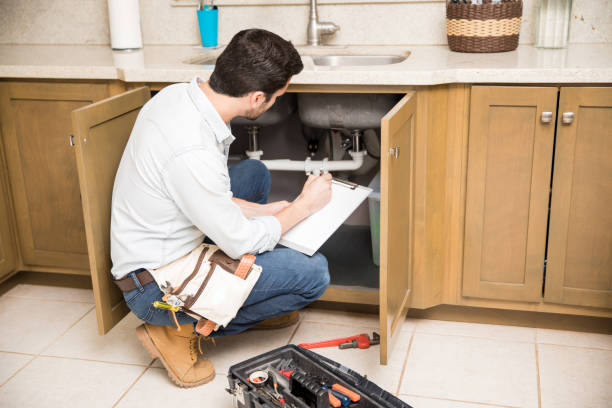
Most people don’t think much about their plumbing until something goes wrong. A leaking tap, slow drain, or hidden pipe leak can seem like a small issue at first. But if it’s left alone, it can quickly turn into a costly repair.
That is why many homeowners ask, How often should plumbing be inspected? There isn’t one answer for every property. The right inspection schedule depends on your home’s age, the condition of the plumbing, and how often the system is used. A regular plumbing maintenance schedule and a professional home plumbing inspection can help you find small problems before they become expensive ones.
This article covers how often plumbing should be inspected, the signs that indicate your plumbing needs attention, what a professional inspection includes, and practical tips to help keep your plumbing system in good condition.
Why Regular Plumbing Inspections Are Important
Regular inspections make it easier to find hidden leaks, worn parts, and drainage problems early. They also help reduce water waste, improve efficiency, and lower the risk of unexpected plumbing emergencies.
A small leak may not seem important, but it can waste a surprising amount of water over several months. In some cases, unnoticed leaks can lead to mould, damaged walls, or expensive repairs. Scheduling inspections is much cheaper than dealing with major water damage later.
How Often Should Plumbing Be Inspected?
Many homeowners also ask, how often should pipes be inspected? As a general rule, pipes should be checked whenever a professional plumbing inspection is carried out.
| Property Type | Recommended Inspection |
| New Homes | Every 2 years |
| Family Homes | Every 12 months |
| Older Homes (20+ Years) | Every 6–12 months |
| Rental Properties | Annually |
| Commercial Buildings | Every 6 months |
| Before Buying a House | Full inspection |
Following a regular plumbing maintenance schedule helps keep your plumbing system reliable and reduces the risk of unexpected repair costs.
Signs Your Plumbing Should Be Inspected
Book a home plumbing inspection if you notice any of these warning signs:
- Low water pressure
- Slow-draining sinks or showers
- Unusual noises from pipes
- Water stains on walls or ceilings
- Higher-than-normal water bills
- Bad smells from drains
- Rust-coloured water
- Damp walls
- Mould growth
These problems may point to hidden leaks, blocked drains, damaged pipes, or water pressure issues that should be checked by a professional.
What Does a Professional Plumbing Inspection Cover?
A professional inspection gives you a clear picture of your plumbing system’s condition. It includes:
- Pipe inspection
- Tap inspection
- Water pressure testing
- Hot water system inspection
- Drain inspection
- Sewer line inspection
- Valve testing
- Fixture inspection
- Outdoor plumbing
- Roof plumbing
- Gas plumbing (where applicable)
Professional plumbers use specialised equipment to detect problems that are difficult to identify during a simple visual check.
Plumbing Inspection Checklist for Homeowners
Professional inspections for new home are important, but there are also a few things you can check yourself between appointments. A simple plumbing inspection checklist can help you spot small problems before they become bigger ones.
Take a few minutes every few months to inspect:
- Kitchen taps for drips or leaks
- Bathroom taps and fixtures
- Toilets for running water or leaks
- Shower heads for blockages
- Outdoor taps for damage or leaks
- Gutters for leaves and debris
- Hot water system for rust or water leaks
- Washing machine hoses for cracks
- Dishwasher connections for moisture
- Water meter for unusual water use
- Drains for slow water flow
- Visible pipes for signs of corrosion or dampness
These simple checks support your regular home plumbing inspection and make it easier to follow a reliable plumbing maintenance schedule.
Seasonal Plumbing Maintenance Tips
Looking after your plumbing throughout the year helps prevent avoidable problems. Each season brings different maintenance needs.
Summer
Inspect outdoor taps, garden hoses, and irrigation systems. Repair any leaks to avoid wasting water.
Winter
Check exposed pipes for proper insulation and have your hot water system serviced if needed. This helps it perform efficiently during colder months.
Spring
Clean gutters and downpipes after winter. Removing debris helps rainwater drain properly and reduces the chance of water damage.
Autumn
Clear leaves from gutters and stormwater drains before heavy rainfall. Good drainage protects your home from overflowing water.
What Affects the Cost of a Plumbing Inspection?
The cost of an inspection depends on several factors, including:
- The size of your property
- Your location
- The type of inspection required
- Whether camera inspections are needed
- Leak detection services
- Emergency or after-hours inspections
Although inspection costs vary, they are much lower than the cost of repairing major plumbing damage caused by undetected leaks.
DIY Plumbing Inspection vs Professional Inspection
| DIY Inspection | Professional Inspection |
| Basic visual checks | Advanced diagnostic equipment |
| Simple maintenance | Water pressure testing |
| Check for visible leaks | Camera drain inspections |
| Limited knowledge | Licenced plumbing expertise |
| No specialised tools | Detailed inspection report |
Checking your plumbing yourself is helpful, but it cannot replace a professional inspection. Experienced plumbers can identify hidden problems that are difficult to detect during a visual check.
Tips to Keep Your Plumbing in Good Condition
Good plumbing habits can prevent many common problems and help your system last longer.
- Avoid using chemical drain cleaners regularly.
- Fix leaking taps and pipes as soon as you notice them.
- Clean drains to remove grease, soap, and debris.
- Monitor water pressure and investigate sudden changes.
- Service your hot water system when recommended.
- Know where your main water shut-off valve is located.
- Avoid flushing wipes, grease, and other unsuitable items.
- Follow an annual plumbing maintenance schedule.
View these practices not as routine chores, but as essential investments in your home’s functionality and long-term asset value.
Final Thoughts
Regular plumbing inspection is the simplest way to protect your home. Small problems are cheaper and easier to fix than major plumbing emergencies.
For most family homes, a professional inspection every 12 months is a practical approach. Older homes may benefit from inspections every 6–12 months. If you are asking how often should plumbing be inspected or how often pipes should be inspected, the answer depends on the age and condition of the property, but regular inspections are always a smart investment.
Don’t wait for a small leak to become an expensive repair. Perspective Plumbing provides professional inspections, leak detection, maintenance, and reliable plumbing repairs. Whether you need a routine inspection or a full plumbing assessment, our experienced team is ready to help. Call 0411 295 646 to book your inspection and keep your plumbing system working at its best.
Frequently Asked Questions
How often should household plumbing be inspected?
Most homes should have a professional inspection every 12 months. Older homes or properties with recurring plumbing issues may need inspections every 6–12 months.
Is an annual plumbing inspection worth it?
Yes. Annual inspections can identify leaks, corrosion, drainage issues, and worn components early, helping reduce repair costs and extend the life of your plumbing system.
What is included in a plumbing inspection?
An inspection covers pipes, drains, taps, toilets, water pressure, hot water systems, valves, fixtures, roof plumbing, outdoor plumbing, and leak detection.
Can plumbing problems go unnoticed?
Yes. Hidden leaks, corrosion, and underground pipe damage develop without obvious signs. Regular inspections help detect these issues early.
Should older homes have more frequent plumbing inspections?
Yes. Older plumbing systems are more likely to develop leaks, corrosion, and worn fittings, so inspections every 6–12 months are recommended.
How long does a plumbing inspection take?
Most residential inspections take between one and two hours, depending on the size of the property and the type of inspection required.
Can a plumbing inspection detect hidden leaks?
Yes. Professional plumbers use leak detection equipment and pressure testing to locate hidden leaks behind walls, under floors, and underground.
Is a plumbing inspection required before buying a house?
It is not mandatory, but it is strongly recommended. A plumbing inspection can reveal hidden defects and help you avoid unexpected repair costs.