
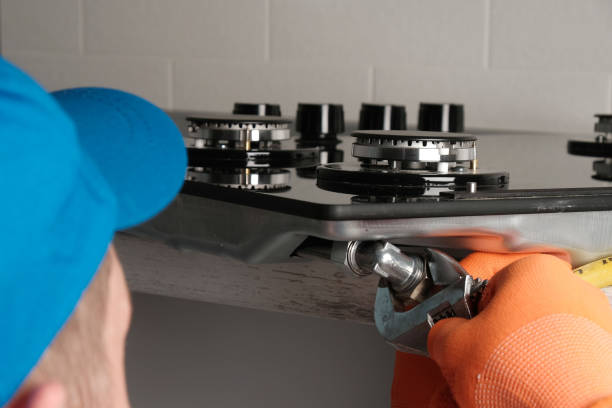
Gas appliances make everyday life more convenient. From hot water systems to cooktops and heaters, many Australian homes rely on gas. While these appliances are safe, problems can arise if installation or repairs are not carried out correctly. Even a small mistake can lead to gas leaks, carbon monoxide exposure, or fire hazards.
When comparing a licensed vs unlicensed gas fitter, the difference is about much more than cost. It affects your family’s safety, your home’s compliance with Australian regulations, and your insurance coverage. Understanding why to hire a licensed gas fitter helps homeowners make informed decisions and avoid unnecessary risks.
This article outlines w hy licensing matters, the risks of unlicensed gas work, and how choosing a qualified professional protects your home and investment.
Why Licensing Matters
Gas plumbing is specialised work that requires formal training and licensing. In Australia, only licensed professionals are legally permitted to carry out most gas installations and repairs. They follow Australian Standards, complete safety testing, and issue compliance certificates where required.
A licensed gas fitter also performs a gas safety inspection to check for leaks, faulty connections, damaged pipes, and ventilation issues.
What Does a Licensed Gas Fitter Do?
Licensed gas fitters safely install, repair, and maintain gas systems in homes and businesses. Their work includes installing gas cooktops, ovens, heaters, hot water systems, gas pipes, and outdoor BBQ connections. They also detect gas leaks, repair damaged fittings, perform pressure testing, and ensure every job complies with Australian regulations.
What Qualifies Someone as a Licensed Gas Plumber?
Gas plumbing requires formal education, assessments, and ongoing compliance.
Professional Training
Licensed gas plumbers complete recognised apprenticeships and specialised gas fitting courses. They learn installation techniques, safety procedures, fault diagnosis, and Australian Standards.
Certification and Licensing
Each Australian state and territory has licensing requirements. Before performing gas work independently, plumbers must obtain the appropriate licence issued by the relevant authority.
Meeting Australian Regulations
Licensed professionals stay up to date with changing regulations and building codes. This ensures every installation meets legal safety requirements.
Insurance Protection
Licensed contractors carry public liability insurance. This provides additional protection if unexpected issues arise during the job.
Risks of Hiring an Unlicensed Gas Fitter
Poor workmanship can cause hidden gas leaks that increase the risk of fires or explosions. Incorrect appliance installation may also produce dangerous carbon monoxide, an odourless gas that can affect your health.
Unlicensed work may damage concealed gas pipes, resulting in costly repairs. Many manufacturers also require licensed installation to maintain warranty coverage.
Licensed vs Unlicensed Gas Plumber: A Simple Comparison
The discussion around licensed vs unlicensed gas fitter becomes much clearer when comparing the key differences side by side.
| Licensed Gas Plumber | Unlicensed Gas Plumber |
| Certified and qualified | No formal certification |
| Fully insured | Usually uninsured |
| Completes safety testing | No guaranteed testing |
| Meets Australian regulations | May breach legal requirements |
| Provides workmanship warranty | Often no warranty |
| Issues compliance certificates | Usually unavailable |
| Safer, professional workmanship | Greater safety risks |
The benefits of licensed gas work are clear. Professional installation reduces safety risks, improves appliance performance, protects warranties, and helps ensure your home remains compliant with Australian regulations.
Why Hiring a Licensed Gas Plumber Pays Off in the Long Run
Although a licensed professional may charge more upfront, the long-term savings are significant. Correct installation reduces the need for repeat repairs and helps gas appliances operate efficiently, which may lower energy costs.
Licensed work also protects manufacturer warranties and supports insurance claims if an unexpected issue occurs. In the long run, quality workmanship is the more affordable choice.
Signs You May Have Hired an Unlicensed Gas Plumber
Sometimes homeowners don’t realise a contractor is unlicensed until the work has been completed. Looking out for a few warning signs can help you avoid unnecessary risks.
No Licence Number
Licensed gas plumbers should be able to provide their licence details when asked. If someone avoids the question or refuses to show proof, it should raise concerns.
Cash-Only Payments
While not always a problem, contractors who insist on cash-only payments without proper invoices may be operating outside legal requirements.
No Written Quote
Professional businesses provide written quotes outlining the scope of work, pricing, and terms before starting the job.
Refuses an Inspection
A qualified gas plumber welcomes inspections and testing because they are confident in the quality of their work.
No Business Address
Established businesses have a registered address, contact details, and an online presence. A lack of basic business information may indicate a problem.
Real Consequences of Unlicensed Gas Work
Across Australia, there have been incidents involving gas leaks, carbon monoxide poisoning, fires, and explosions caused by faulty installations.
Even when no one is injured, property damage can be extensive. Walls, ceilings, flooring, and appliances may all require replacement after a gas-related incident.
Insurance claims can become complicated if investigators determine that unlicensed work contributed to the damage. In some situations, homeowners may have to cover repair costs themselves.
Why Choosing a Licensed Gas Plumber Protects Your Family
Licensed professionals follow recognised safety procedures, complete testing, and ensure every installation complies with Australian regulations. Their work helps reduce the risk of leaks, fires, and carbon monoxide exposure.
The benefits of licensed gas services extend beyond compliance. Homeowners also gain reliable workmanship, proper documentation, insurance protection, and greater confidence that their gas appliances are operating safely.
If you’re still wondering why hire a licensed gas fitter, the answer comes down to safety, professionalism, and long-term value. Paying a little more today can help prevent expensive repairs and dangerous situations tomorrow.
Conclusion
Gas plumbing is not an area where shortcuts are worth the risk. Choosing between a licensed vs unlicensed gas fitter can affect your family’s safety, your home’s legal compliance, and your future repair costs.
Regular gas safety inspection services, professional installations, and qualified repairs help ensure your gas system continues to operate safely and efficiently. The benefits of licensed gas work include peace of mind, better workmanship, insurance protection, and compliance with Australian regulations.
When it comes to gas plumbing, don’t leave safety to chance. Perspective Plumbing provides licensed gas fitting services for installations, repairs, maintenance, and safety inspections completed to Australian standards. Whether you’re upgrading an appliance or need urgent assistance, our experienced team is ready to help. Call 0411 295 646 to book a qualified professional and enjoy safe, reliable workmanship you can trust.
Frequently Asked Questions
Is hiring an unlicensed gas plumber illegal?
Yes. In Australia, gas work must be completed by a licensed professional. Using an unlicensed contractor may breach state regulations and create safety, insurance, and legal problems.
Can my insurance company reject a claim?
Yes. If an investigation finds that unlicensed gas work contributed to damage or injury, your insurer may reduce or reject the claim depending on the policy.
How do I know my gas plumber is licensed?
Ask for their licence number, verify it through your state’s licensing register, and request proof of insurance before any gas work begins.
Can an ordinary plumber carry out gas work?
A plumber must hold the appropriate gas fitting licence or endorsement before legally installing, repairing, or modifying gas systems.
Do licensed gas plumbers provide compliance certificates?
Yes. Where required by state regulations, licensed gas plumbers issue compliance certificates confirming the work meets Australian safety and legal standards.
Why are gas plumbing licences important?
Licences confirm that the plumber has completed recognised training, understands current regulations, and is qualified to perform gas work safely.
What qualifications should a gas plumber have?
They should complete recognised training, obtain the appropriate state licence, maintain insurance, and stay up to date with current Australian gas safety standards.
Can DIY gas repairs be dangerous?
Yes. DIY gas repairs can lead to leaks, fires, explosions, or carbon monoxide poisoning. Gas work should always be completed by licensed professionals.
How often should gas appliances be inspected?
Most experts recommend arranging a gas safety inspection every two years or following the manufacturer’s servicing recommendations for older appliances.
Who is responsible for gas safety in my home?
Homeowners are responsible for maintaining gas appliances and ensuring all installation, repairs, and servicing are completed by licensed gas professionals.
What should I do if I smell gas?
Turn off the gas supply if it is safe to do so, avoid electrical switches or open flames, leave the property immediately, and contact a licensed gas plumber or emergency service.
Is paying more for a licensed gas plumber worth it?
Yes. Professional workmanship, legal compliance, insurance protection, safer installations, and reduced repair costs make hiring a licensed gas plumber a worthwhile long-term investment.