
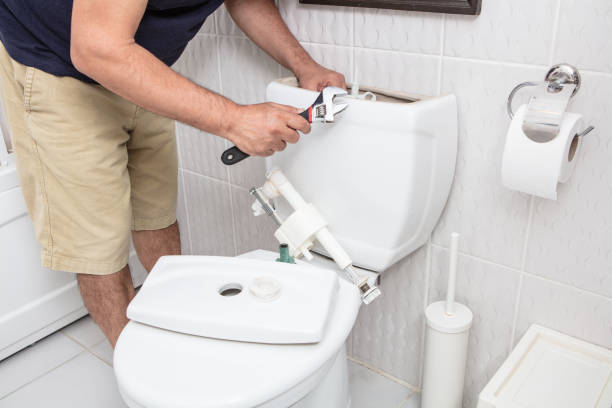
A toilet that keeps running might not seem like a big deal at first, but it can waste a surprising amount of water over time. In many cases, the cause is something simple inside the tank, such as a worn flapper, faulty fill valve, or incorrect water level.
The good news is that many running toilet problems can be fixed without specialised tools. Below, you will understand what causes a toilet to keep running and the steps you can take to stop it.
Why Does a Toilet Keep Running?
How a Toilet Tank Works
When you flush a toilet, several parts inside the tank work together to move water into the bowl and refill the tank afterwards.
The main components include
- Flapper – Opens during a flush and seals the tank afterwards.
- Fill Valve – Refills the tank with water.
- Float – Controls the water level.
- Overflow Tube – Prevents the tank from overfilling.
If one of these parts fails, the toilet may continue running after the flush is complete.
Signs Your Toilet Is Running Continuously
Some running toilets are obvious, while others can go unnoticed for weeks.
Usual signs include:
- A constant hissing sound
- Water trickling into the bowl
- The tank refilling on its own
- Unexpected increases in water bills
What Causes a Toilet to Keep Running?
If you’re wondering why a toilet keeps running, the cause is one of a few common tank components.
Worn or Damaged Toilet Flapper
The flapper creates a seal at the bottom of the tank. Over time, the rubber can wear out, crack, or lose its shape. This is one of the most common causes of Leaking Toilets, allowing water to slowly leak into the bowl and triggering the tank to refill repeatedly.
Incorrect Flapper Chain Length
The chain attached to the flapper needs a small amount of slack. If it’s too tight, the flapper may not close properly. If it’s too loose, it can get caught underneath the flapper and prevent a complete seal.
Faulty Fill Valve
A fill valve controls how much water enters the tank after flushing. As it ages, it may fail to shut off correctly, allowing water to continue flowing even after the tank is full.
Water Level and Float Problems
Sometimes the issue isn’t a broken part at all. A float set too high may cause water to spill into the overflow tube. This creates the impression that the toilet is constantly refilling.
Mineral Build-Up and Wear
Older toilets can develop mineral deposits around moving parts. These deposits may affect how components operate and contribute to running toilet problems.
Tools You’ll Need Before Starting
Most repairs can be completed with a few basic tools.
Basic DIY Plumbing Tools
- Adjustable wrench
- Screwdriver
- Sponge or towel
- Rubber gloves
Replacement Parts You May Need
Depending on the problem, you may need:
- Replacement flapper
- Fill valve
- Float assembly
How to Fix a Toilet That Keeps Running
Before replacing any parts, take a few minutes to inspect the tank. The source of the problem is easy to identify.
Step 1 – Turn Off the Water Supply
Locate the shut-off valve behind the toilet and turn it clockwise.
Step 2 – Inspect the Tank Components
Remove the lid and look for obvious signs of wear, damage, or incorrect adjustments.
Step 3 – Check the Flapper
Inspect the flapper for cracks, warping, or deterioration. If it looks worn, replacing it is the quickest solution.
Step 4 – Adjust the Chain
The chain should have slight slack while still allowing the flapper to open fully when flushed.
Step 5 – Test for Hidden Leaks
Add a few drops of food colouring to the tank and wait about 15 minutes. If colour appears in the bowl without flushing, water is leaking through the flapper.
Step 6 – Inspect the Fill Valve
Flush the toilet and watch how the tank refills. If the valve doesn’t stop flowing once the tank is full, it may need adjustment or replacement.
Step 7 – Adjust the Float
Lowering the float can help prevent excessive filling and stop water from entering the overflow tube.
Step 8 – Check the Overflow Tube
If water is constantly flowing into the tube, more adjustments to the float or fill valve may be required.
Step 9 – Replace Faulty Parts
If changes don’t solve the problem, replacing worn components is the next step.
Step 10 – Test the Toilet
Turn the water supply back on and flush the toilet several times to check that everything is working properly.
What If the Toilet Still Runs After Replacing the Flapper?
Many homeowners replace the flapper, expecting the problem to disappear. While this works, it’s not always the root cause.
If the toilet continues to run, inspect the fill valve again and check the water level in the tank. Mineral deposits around the flush valve seat can also prevent a proper seal. In some cases, small cracks inside the tank may be responsible for ongoing leaks.
If you’ve replaced multiple components and the toilet keeps running, professional advice may be the quickest solution.
How Much Water Does a Running Toilet Waste?
A running toilet can waste far more water than most people realise. Depending on the severity of the leak, hundreds of litres of water may be lost every day.
That wasted water doesn’t affect the environment. It can also lead to higher utility bills over time. The longer the problem continues, the more expensive it can become.
For that reason alone, it’s worth addressing a toilet that keeps running as soon as possible rather than waiting for the issue to worsen.
Preventing Future Toilet Problems
Most running toilet issues start small and become more noticeable over time. That’s why it’s worth checking inside the tank occasionally. Catching a worn flapper, incorrect water level, or slight leak early can help you avoid bigger problems down the track.
It’s also best to avoid harsh tank cleaners, as some products can wear out rubber seals and other internal parts faster than expected.
Final Thoughts
While a running toilet can be frustrating, the cause is something fairly minor inside the tank. In many cases, a quick adjustment or replacement part is all that’s needed to get things working properly again.
The important thing is not to ignore the problem. Even a small leak can waste a surprising amount of water over time and add to your household bills. If you’ve worked through the common fixes and your toilet keeps running, professional help can save you time and frustration.
A running toilet can waste a large amount of water and increase your household bills if left unchecked. The experienced team of Perspective Plumbing is here to provide reliable toilet repairs, maintenance, and plumbing solutions to keep your system working efficiently. If your toilet keeps running or you’re dealing with any plumbing issues, call 0411 295 646 for prompt, professional assistance.
FAQs
Why does my toilet keep running after flushing?
A toilet may keep running due to a worn flapper, faulty fill valve, incorrect float setting, or water leaking into the overflow tube continuously.
Can a running toilet increase my water bill?
Yes. A running toilet can waste hundreds of litres of water each day, which may increase your water usage and utility costs.
Is a faulty flapper the most common cause?
Yes. A damaged or worn flapper is the most common cause because it allows water to leak continuously into the bowl.
How often should a toilet flapper be replaced?
Most toilet flappers last around three to five years. Lifespan may vary depending on water quality, usage frequency, and maintenance practices.
Can I fix a running toilet without a plumber?
Many running toilet issues can be fixed using basic tools and replacement parts. Complex problems may require professional plumbing assistance.
How long does it take to repair a running toilet?
Simple repairs such as adjusting a float or replacing a flapper take between 15 and 45 minutes to complete.
Why is my toilet running intermittently?
Intermittent running indicates a slow leak inside the tank, causing water levels to drop and the refill cycle to activate.
What happens if I ignore a running toilet?
Ignoring a running toilet can waste substantial water, increase utility bills, and cause additional wear on internal toilet components over time.