
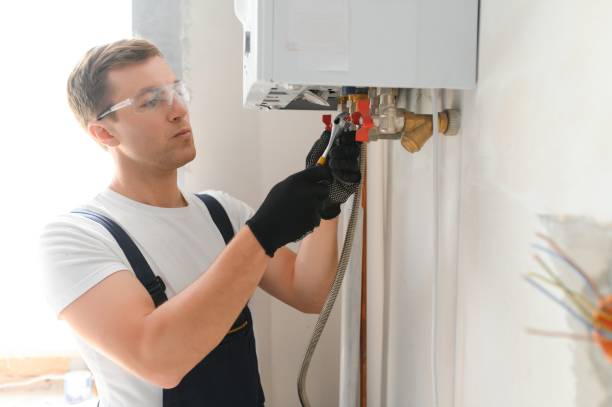
Hot water is an essential part of everyday life, whether it’s for showering, cooking, or cleaning. Yet many homeowners in Craigieburn and across Melbourne take their hot water systems for granted until something goes wrong. Understanding how your hot water system works, the types available, and how to maintain and replace it is crucial for comfort, safety, and efficiency.
This comprehensive guide explores all aspects of hot water systems. By the end, you’ll know how to choose, maintain, and replace your system wisely.
Types of Hot Water Systems
There are several types of hot water systems, each with its own advantages and considerations. Choosing the right Hot water system depends on your household size, energy source, and budget.
1. Storage Tank Systems
Storage tank systems heat water and store it in a tank until needed. They are commonly used in Australian homes.
Advantages:
- Provides a large supply of hot water
- Can cater to multiple outlets simultaneously
- Works with gas or electricity
Considerations:
- Takes up space
- Can lose heat over time (standby heat loss)
- May require regular maintenance to prevent sediment build-up
2. Continuous Flow (Tankless) Systems
Continuous flow or instantaneous systems heat water on demand without a storage tank.
Advantages:
- Endless hot water supply
- Compact and space-saving
- Energy-efficient since they heat water only when needed
Considerations:
- May struggle to supply multiple outlets at once in large households
- Higher upfront cost
- Regular servicing required for optimal performance
3. Solar Hot Water Systems
Solar systems use panels to harness the sun’s energy to heat water.
Advantages:
- Environmentally friendly
- Lower running costs
- Can be combined with backup gas or electric systems
Considerations:
- High upfront cost
- Performance depends on weather conditions
- Requires space for solar panels
4. Heat Pump Systems
Heat pump hot water systems extract heat from the air to warm water, using less energy than traditional electric systems.
Advantages:
- Energy-efficient
- Lower running costs
- Environmentally friendly
Considerations:
- Higher initial investment
- Requires outdoor space for the heat pump unit
- Slower recovery than gas systems
Common Problems With Hot Water Systems
Knowing common issues can help you spot problems early and prevent emergencies.
1. No Hot Water
This can be caused by:
- Faulty heating elements (electric systems)
- Pilot light issues (gas systems)
- Thermostat failure
- Leaks in the tank
2. Water Temperature Fluctuations
Inconsistent water temperature may indicate a failing thermostat, sediment build-up, or gas supply problems.
3. Leaks or Water Damage
Leaks can occur due to corrosion, worn seals, or excessive pressure. Prompt attention is necessary to prevent structural damage.
4. Strange Noises
Popping or rumbling sounds often indicate sediment build-up in storage tanks, reducing efficiency and lifespan.
5. Low Water Pressure
Blockages in pipes or build-up in the system can reduce water flow, affecting performance.
Hot Water System Maintenance Tips
Regular maintenance extends the life of your system, improves efficiency, and reduces the risk of sudden failure.
Annual Inspection
Have a licensed plumber inspect your system at least once a year to check for leaks, corrosion, and component wear.
Flushing the Tank
Sediment build-up in storage tanks reduces efficiency. Flushing the tank annually removes sediment and prevents damage.
Check the Pressure Relief Valve
Ensure the pressure relief valve is working correctly to prevent dangerous overpressure conditions.
Monitor Temperature Settings
Keep temperatures at recommended levels (typically 60°C) to prevent scalding and reduce energy consumption.
Keep the Area Clean
Ensure the area around the system is free from clutter, debris, and flammable materials.
Professional Servicing
Use a licensed professional, especially for gas or complex electric systems. If you’re in Craigieburn, hiring an expert in Hot Water Systems Craigieburn ensures local knowledge and quick service.
Signs You Might Need a Replacement
Even with proper maintenance, hot water systems eventually wear out. Common signs that it’s time for a replacement include:
- Age of the system (usually 10–15 years for storage tanks, 15–20 for continuous flow)
- Frequent repairs
- Rising energy bills due to inefficiency
- Rusty or discoloured water
- Inconsistent or inadequate hot water supply
Choosing the Right Hot Water System Replacement
When replacing a system, consider the following factors:
Household Size
Larger households require higher-capacity systems. Continuous flow systems may struggle to supply multiple outlets at once, so storage tanks or multiple units might be better.
Energy Source
Choose between electricity, gas, solar, or heat pumps based on availability, cost, and environmental preferences.
Space Availability
Tankless systems are compact, while storage tanks require more space.
Budget
Consider both upfront costs and long-term running costs. Energy-efficient systems often have higher upfront costs but lower bills over time.
Local Regulations
Ensure compliance with Victorian plumbing standards and council requirements.
Benefits of Using a Licensed Plumber for Hot Water Systems
Hiring a licensed plumber provides peace of mind:
- Correct installation and compliance with regulations
- Proper sizing and system recommendations
- Warranty protection for both system and workmanship
- Efficient and safe operation
- Local expertise for Craigieburn households
Hot Water System Replacement Process
1. Assessment and Recommendation
A licensed plumber inspects your current system, household needs, and site conditions.
2. Choosing the Right System
Select a system based on capacity, energy source, and budget.
3. Installation
Professional installation ensures correct connections, safe operation, and compliance with regulations.
4. Testing and Commissioning
The system is tested for leaks, pressure, and temperature performance.
5. Maintenance Advice
The plumber provides guidance on regular maintenance to extend system life.
Emergency Hot Water System Issues
Hot water emergencies can occur, such as sudden loss of hot water or leaks. Quick action minimizes damage:
- Turn off power or gas to the system
- Shut off the water supply if leaking
- Call a licensed professional immediately
Having contact details for an expert in Hot Water Systems Craigieburn ensures rapid response times.
Saving Energy and Costs With Your Hot Water System
Efficient use and maintenance save both energy and money:
- Install energy-efficient systems (solar, heat pump)
- Insulate pipes to reduce heat loss
- Set thermostats to recommended temperatures
- Perform regular maintenance to ensure peak efficiency
Conclusion
Understanding your hot water system, its types, and proper maintenance is essential for comfort, safety, and efficiency. Whether you have a storage tank, continuous flow, solar, or heat pump system, regular servicing and timely replacement ensure a reliable supply of hot water.
For Craigieburn residents, working with licensed professionals who specialise in hot water systems guarantees compliance, expert advice, and peace of mind. By following this guide, you can confidently maintain, repair, or replace your hot water system to meet your household’s needs for years to come.
Whether it’s inconsistent water temperature, unusual noises, or a complete system breakdown, addressing hot water issues early can save you time and money. At Perspective Plumbing, we’re here to help with expert advice, maintenance, and reliable replacements tailored to your needs. Call us today on 0411 295 646 to book an inspection and keep your hot water system running smoothly.