
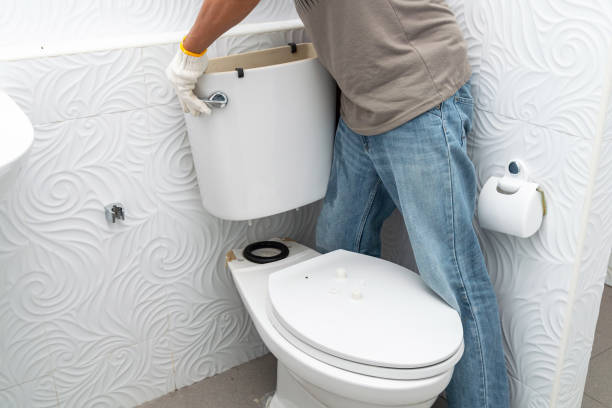
A constantly running toilet is the household problem that seems small at first, but quickly becomes annoying, wasteful, and expensive. That faint sound of water trickling long after you’ve flushed is more than a background noise. It’s a sign that something inside your toilet system isn’t working properly.
In Australian homes, older properties across suburbs like Melbourne, this issue is extremely common. While some causes are enough for a DIY fix, others require professional attention from experienced plumbers in Melbourne.
This guide mentions why your toilet is running constantly, how to fix it, and when it’s time to call in the experts.
Why a Running Toilet Is a Bigger Problem Than You Think
It’s easy to ignore a running toilet because it doesn’t seem urgent. Even a small leak can waste a surprising amount of water.
A constantly running toilet can waste:
- Up to 200–700 litres of water per day
- Thousands of litres per month
- Hundreds of dollars on water bills
Beyond cost, it can also indicate internal wear and tear that may lead to bigger plumbing issues if left unresolved.
That’s why many homeowners reach out to plumbers in Melbourne once they realise the problem isn’t going away on its own.
How a Toilet Actually Works (Simple Breakdown)
To understand why toilets run constantly, it helps to know how they function.
A standard toilet has three main components:
- The cistern (tank) stores water
- The flush valve releases water into the bowl
- The fill valve refills the tank after flushing
When you flush, the system empties and then refills automatically. If any part of this cycle fails, water may keep flowing continuously.
Common Causes of a Constantly Running Toilet
There are several reasons your toilet may not stop running. Let’s go through the most common ones.
1. Faulty Flapper Valve (Most Common Cause)
The flapper is a rubber seal at the bottom of the tank. It lifts when you flush and closes to stop water flow.
What goes wrong:
- Worn-out rubber
- Warping over time
- Misalignment
- Dirt or mineral build-up preventing a proper seal
What happens:
Water keeps leaking from the tank into the bowl, causing the toilet to refill repeatedly.
DIY fix:
- Turn off water supply
- Inspect flapper for damage
- Clean or replace it (cheap and easy in most cases)
If the issue continues after replacement, it may require help from plumbers in Melbourne to check for deeper valve problems.
2. Float Issues (Water Level Too High or Low)
The float controls how much water fills the cistern.
Types of problems:
- Float set too high → water overflows into overflow tube
- Float damaged or stuck → incorrect water level control
Result:
The toilet keeps filling because it never reaches the correct shut-off level.
Fix:
Adjust or replace the float mechanism. Modern toilets may require cartridge adjustments rather than simple float bending.
3. Faulty Fill Valve
The fill valve controls water entering the tank after a flush.
Signs of failure:
- Continuous hissing sound
- Water running even when tank is full
- Slow or inconsistent shut-off
Why it matters:
A worn fill valve is the most common reason for persistent running toilets in Australian homes.
Replacement is inexpensive but should be done properly to avoid leaks or pressure issues.
4. Leaking Flush Valve Seat
Even if the flapper is replaced, the surface it seals against (the valve seat) may be damaged.
Causes:
- Mineral deposits
- Corrosion
- Wear over time
Effect:
The flapper cannot create a proper seal, allowing water to leak continuously.
This issue requires inspection by professional plumbers in Melbourne to determine whether cleaning or replacement is needed.
5. Overflow Tube Problems
The overflow tube prevents the tank from flooding.
What goes wrong:
- Water level set too high
- Fill valve malfunctioning
- Cracks in the tube
Result:
Water continuously drains into the bowl through the overflow system.
6. Chain Too Tight or Too Loose
The chain connects the flush handle to the flapper.
Issues:
- Too tight → flapper doesn’t seal properly
- Too loose → incomplete flushing cycle
This is a simple but overlooked cause of a running toilet.
7. Sediment or Mineral Build-Up
In areas with hard water, minerals can build up inside the cistern.
Effects:
- Stuck components
- Poor sealing surfaces
- Reduced efficiency of valves
Over time, this leads to constant water flow issues.
How to Fix a Running Toilet (Step-by-Step Guide)
If you want to try fixing it yourself, follow these basic steps:
Step 1: Turn Off the Water Supply
Locate the shut-off valve behind the toilet and turn it off.
Step 2: Remove the Tank Lid
Place it safely aside to avoid cracking.
Step 3: Inspect Internal Parts
Check:
- Flapper
- Chain
- Float
- Fill valve
Step 4: Replace or Adjust Faulty Parts
- Replace flapper if worn
- Adjust float height
- Clean mineral deposits
Step 5: Test the Toilet
Turn water back on and flush to check if the issue is resolved.
When DIY Isn’t Enough
While many minor toilet issues can be fixed at home, some problems require professional help.
You should call Plumbers in Melbourne if:
- The toilet continues running after repairs
- Multiple components appear damaged
- You notice leaks at the base
- Water pressure seems abnormal
- The issue keeps recurring
Persistent problems indicate deeper plumbing system faults rather than simple part failure.
How Professional Plumbers Fix the Issue
Experienced plumbers don’t only replace parts; they diagnose the root cause.
A professional may:
1. Perform a full inspection
Checking all internal cistern components and water pressure.
2. Replace faulty systems
Installing high-quality fill valves, flappers, or flush mechanisms.
3. Fix hidden leaks
Detecting leaks that aren’t visible inside the toilet system.
4. Upgrade outdated toilets
Older toilets may be inefficient and prone to repeated issues.
Reliable plumbers in Melbourne ensure long-term fixes rather than temporary patches.
How to Prevent a Running Toilet in Future
Prevention is always easier than repair.
Here are some simple maintenance tips:
- Clean cistern components regularly
- Avoid harsh chemical cleaners in the tank
- Check for leaks every few months
- Replace rubber parts every few years
- Don’t ignore small hissing sounds
Regular maintenance can extend the life of your toilet system.
Final Thoughts
A constantly running toilet might seem like a minor inconvenience, but it can become a costly problem if ignored. From worn flappers and faulty fill valves to float issues and mineral buildup, there are several possible causes.
While some fixes are simple DIY tasks, others require expert diagnosis and repair. If your toilet continues to run despite your efforts, it’s best to contact experienced plumbers in Melbourne to ensure the problem is properly resolved.
At Perspective Plumbing, we respond quickly, diagnose accurately, and fix the problem right the first time. Whether it’s slow drains, root blockages, or general maintenance, our team is ready to help. Get your plumbing back on track. Call Perspective Plumbing now at 0411 295 646. We’re here when you need us.