
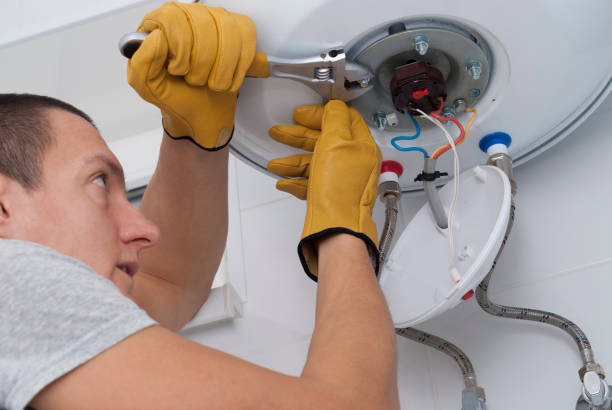
Hot water is something most Australian households rely on every day for showers, washing dishes, doing laundry, and cleaning. So when your system starts playing up, it doesn’t take long before things become inconvenient and uncomfortable.
The challenge is determining whether to repair it or proceed with a hot water system replacement. Many homeowners keep repairing an ageing unit for too long, only to end up paying more in the long run.
In this guide, we’ll go through seven clear signs that your system is on its last legs, plus what to consider before replacing it in 2026.
1. Your Hot Water System Is Over 10–15 Years Old
Age is one of the strongest indicators that a replacement may be due.
Most hot water systems in Australia have a lifespan of:
- Electric storage systems: 10–12 years
- Gas systems: 8–12 years
- Solar systems: 10–15 years (components vary)
- Heat pumps: 10–15 years
If your system is approaching or past this range, it is far more likely to fail unexpectedly.
Even if it still works, older systems are less efficient, more expensive to run, and more prone to breakdowns.
At this stage, a hot water system replacement is often more cost-effective than repeated repairs.
2. Inconsistent or Lukewarm Water
If your showers are going hot and cold unpredictably, or never quite reach the temperature they used to, this is a major warning sign.
Common causes include:
- Failing thermostat
- Sediment build-up in the tank
- Broken heating element
- Internal corrosion
While some of these issues can be repaired, repeated temperature inconsistencies usually indicate system decline.
If you’re constantly adjusting the tap to get stable hot water, your system may be nearing the end of its life, and a hot water system replacement should be considered.
3. Rusty or Discoloured Water
If you notice brown, yellow, or rusty water coming from your hot taps, this is a serious sign.
It may indicate:
- Internal tank corrosion
- Rusting pipes inside the system
- Deteriorating anode rod
Once rust starts inside the tank, it usually cannot be reversed. Even if you flush the system, the corrosion continues to spread.
This is one of the strongest indicators that a hot water system replacement is needed rather than repair.
Ignoring rust can lead to leaks or even complete tank failure.
4. Strange Noises Coming from the System
A healthy hot water system should operate quietly. If you start hearing unusual sounds, it’s worth paying attention.
Common noises include:
- Banging or popping: Sediment build-up hardening at the bottom of the tank
- Rumbling: Water overheating beneath sediment layers
- Whistling: Pressure issues or valve problems
These noises usually mean the system is working harder than it should.
Sediment build-up reduces efficiency and increases energy use. In many cases, flushing may help temporarily, but if the problem keeps returning, a hot water system replacement is often the better long-term solution.
5. Frequent Repairs and Rising Maintenance Costs
If you’re calling a plumber every few months, your system is no longer cost-effective.
Typical repair costs might include:
- Thermostat replacement: $150 – $300
- Heating element: $200 – $400
- Valve issues: $150 – $250
- Leak repairs: $200 – $500
At first, these may seem manageable. But over time, repeated repairs can easily exceed the cost of a new system.
A good rule of thumb:
If repair costs exceed 50% of the cost of a new system, replacement is usually the smarter option.
At that point, investing in a hot water system replacement offers greater reliability and long-term savings.
6. Visible Leaks or Water Pooling Around the Unit
Leaks are never a good sign for hot water systems.
You might notice:
- Water pooling near the base of the unit
- Damp patches around fittings
- Dripping from valves or pipes
While minor valve leaks can sometimes be repaired, leaks from the tank itself are far more serious.
A leaking tank usually means internal corrosion or structural failure. Unfortunately, tanks cannot be repaired once they start leaking internally.
This is one of the clearest signs that a hot water system replacement is urgently needed.
Delaying replacement can also lead to water damage in surrounding areas.
7. Higher Energy Bills Without Increased Usage
If your electricity or gas bills are rising but your usage habits haven’t changed, your hot water system may be the cause.
Older systems become inefficient due to:
- Heat loss from poor insulation
- Sediment build-up reducing performance
- Outdated technology
- Constant reheating cycles
This means the system uses more energy to deliver the same amount of hot water.
In many Australian homes, hot water can account for 15%–25% of total energy usage, so inefficiency quickly becomes expensive.
Upgrading to a hot water system replacement, especially to a heat pump or modern gas system, can significantly reduce ongoing bills.
Bonus Sign: Hot Water Runs Out Too Quickly
If your household suddenly can’t get through normal showers without running out of hot water, your system may be struggling.
Possible reasons include:
- Reduced tank capacity efficiency
- Failing heating element
- Sediment reducing usable water volume
- System no longer meeting household demand
Sometimes household needs increase over time (more people, longer showers, appliances), but if your usage hasn’t changed, the system itself may be the issue.
Repair vs Replacement: How to Decide
Not every issue means immediate replacement, but here’s a simple guide:
Consider Repair If:
- System is under 8 years old
- Issue is minor (valve, thermostat, element)
- No history of repeated breakdowns
- Energy efficiency is still acceptable
Consider hot water system replacement. If:
- System is over 10–12 years old
- Repairs are becoming frequent
- Tank is leaking or rusting
- Energy bills are increasing
- Water temperature is inconsistent
Benefits of Replacing Your Hot Water System
While replacement is an upfront investment, it comes with long-term advantages:
1. Lower Energy Bills
Modern systems are far more efficient and can significantly reduce running costs.
2. Improved Reliability
No more unexpected cold showers or emergency breakdowns.
3. Better Performance
New systems heat water faster and maintain consistent temperature.
4. Environmentally Friendly
Modern systems, especially heat pumps and solar, reduce carbon emissions.
5. Increased Property Value
An efficient hot water system is a strong selling point for buyers.
Final Thoughts
Your hot water system won’t last forever, and recognising the warning signs early can help you avoid unexpected breakdowns and costly repairs. If you’re noticing an ageing unit, inconsistent water temperature, rust, strange noises, frequent repairs, leaks or rising energy bills, it may be time to consider a hot water system replacement.
While some issues can be repaired, replacing an ageing system is often the more reliable and cost-effective solution in the long run.
If your hot water system is showing any of these warning signs, don’t wait until it stops working altogether. The team at Perspective Plumbing can assess your system and recommend the right solution for your home. Call 0411 295 646 today to book an inspection or speak with an experienced plumber.