
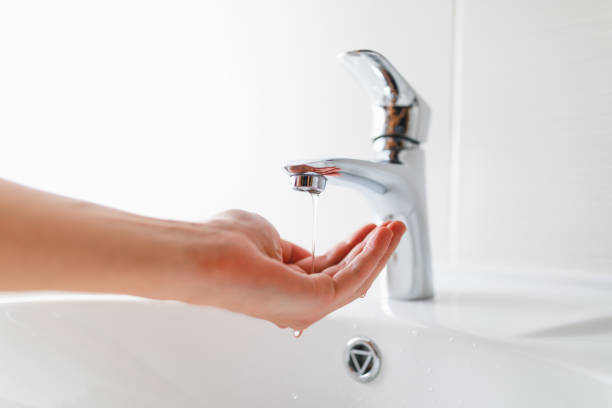
Few things are more frustrating in a household than turning on the shower and getting a weak trickle instead of a steady flow. Whether it’s a slow kitchen tap, a disappointing shower, or uneven water across the home, low water pressure can quickly disrupt daily routines.
Low water pressure is a common issue in older Melbourne homes. While it may seem like a minor nuisance, it can sometimes point to more serious plumbing problems that are worth checking out.
This guide outlines what causes low water pressure, how to diagnose it properly, and when it’s time to call professional plumbers in Melbourne for help.
What Is Considered Low Water Pressure?
Water pressure refers to the force that pushes water through your pipes and out of your taps.
In a Australian home, normal water pressure ranges between:
-
250 kPa to 500 kPa (kiloPascals)
If your water flow feels weak, inconsistent, or reduced, you’re likely experiencing low water pressure.
Common signs include:
- Weak shower flow
- Slow-filling sinks or bathtubs
- Appliances taking longer to run (washing machines, dishwashers)
- Uneven pressure between taps
- Water sputtering from fixtures
Common Causes of Low Water Pressure
There isn’t a single cause of low pressure. It can stem from your home’s internal plumbing, external supply issues, or a combination of both.
Let’s break down the most common causes.
1. Clogged Pipes or Fixtures
Over time, pipes and tap aerators can become clogged with:
- Mineral deposits (calcium and lime scale)
- Rust or corrosion
- Sediment from old pipes
- Dirt or debris
This is common in older Melbourne homes.
What happens?
When there’s a blockage, it limits water flow and lowers the pressure at the tap.
Where it shows up:
- Kitchen taps
- Bathroom sinks
- Showerheads
For minor cases, a basic clean might do the trick. But if the problem persists, it’s best to have a professional plumber in Melbourne properly flush or service the system.
2. Leaking Pipes
A hidden leak is the most serious cause of low water pressure.
Why it happens:
- Cracked pipes
- Loose joints
- Corrosion in older plumbing
- Damage from tree roots (underground pipes)
Warning signs:
- Damp patches on walls or floors
- Unexpected increase in water bills
- Sound of running water when taps are off
- Reduced pressure across multiple fixtures
If leaks are suspected,
it’s important to call plumbers in Melbourne to prevent further damage.
3. Faulty Pressure Regulator
Many homes have a pressure-regulating valve (PRV) installed where water enters the property.
What it does:
It regulates the water pressure coming in from the mains supply.
What can go wrong:
- Valve failure
- Incorrect adjustment
- Wear and tear over time
When faulty, it can reduce water flow throughout the entire home.
Replacing or adjusting this component should always be done by licenced professionals.
4. Partially Closed Shut-Off Valve
Sometimes the simplest explanation is the correct one.
If your main water valve is not fully open, it can restrict flow to the entire house.
This can happen after:
- Plumbing repairs
- Water meter work
- Maintenance checks
It’s worth checking this before assuming a major issue, but if unsure, plumbers in Melbourne can quickly inspect it for you.
5. Old or Corroded Pipes
Older homes in Melbourne often have galvanised steel or ageing copper pipes.
Problem:
Over time, corrosion builds up inside these pipes, which narrows the space for water to flow through.
Result:
- Gradual drop in pressure
- Rusty or discoloured water
- Frequent blockages
In severe cases, pipe replacement may be necessary to restore proper flow.
6. Water Supply Issues
Sometimes the issue isn’t inside your home at all.
External causes include:
- Local water main maintenance
- Council infrastructure issues
- High demand in your area (peak usage times)
- Temporary supply disruptions
If several of your neighbours are having the same issue, it’s probably a problem with the main water supply rather than your own plumbing.
7. Blocked Showerheads and Tap Aerators
This is the most overlooked cause of low water pressure.
What happens:
Small mesh filters in taps and showerheads collect:
- Limescale
- Dirt
- Mineral deposits
Fix:
Cleaning or replacing these components can restore normal pressure.
If the issue keeps returning, it may indicate deeper plumbing concerns.
How to Diagnose Low Water Pressure
Before calling a plumber, you can do a few simple checks:
Step 1: Check multiple taps
- If only one tap is affected, it’s likely a fixture issue
- If all taps are affected, it’s a system-wide problem
Step 2: Inspect the showerhead
- Remove and clean it
- Check for mineral build-up
Step 3: Check your water metre
- Ensure no water is running when everything is turned off
- Look for movement indicating a hidden leak
Step 4: Compare hot vs cold water
- Low pressure in hot water only may indicate a hot water system issue
- Both hot and cold affected suggests a broader plumbing issue
When to Call a Professional Plumber
While some minor issues can be handled at home, persistent low water pressure requires professional attention.
You should contact plumbers in Melbourne if:
- Pressure is low across the entire house
- You suspect a hidden leak
- Water is rusty or discoloured
- DIY cleaning doesn’t fix the issue
- Pressure suddenly drops without explanation
Professional plumbers have the tools and experience to diagnose the root cause.
How Plumbers Fix Low Water Pressure
Once the cause is identified, solutions may include:
1. Pipe Cleaning or Flushing
Removes sediment, rust, and mineral build-up inside pipes.
2. Leak Detection and Repair
Advanced equipment locates hidden leaks without damaging walls or floors.
3. Pressure Regulator Replacement
Restores correct water flow throughout the home.
4. Pipe Replacement
Used in older homes where corrosion is severe.
5. System Upgrades
In some cases, upgrading plumbing or hot water systems improves overall efficiency.
Experienced plumbers in Melbourne can recommend the most cost-effective solution based on your home’s condition.
How to Prevent Low Water Pressure
Prevention is always better than repair. Here are some practical tips:
- Clean showerheads and tap aerators regularly
- Schedule periodic plumbing inspections
- Fix small leaks immediately
- Avoid flushing debris or grease into drains
- Monitor water pressure changes early
Routine maintenance can prevent many common causes of low water pressure.
Final Thoughts
Low water pressure might start as a minor inconvenience, but it can sometimes signal deeper plumbing issues like leaks, corrosion, or faulty regulators. Understanding the possible causes helps you take action before the problem escalates.
Some problems can be fixed with a basic clean or quick check, but ongoing or whole-house pressure issues are best left to the professionals.
Calling experienced plumbers in Melbourne means getting the right diagnosis, quality repairs, and a lasting fix to restore proper water flow throughout your home.
Perspective Plumbing team ensures we diagnose accurately and fix the problem right the first time. Whether your home has clogged pipes, faulty pressure regulators, or old plumbing, we’re here to solve the root of the problem. Call now at 0411 295 646 to get immediate assistance.