
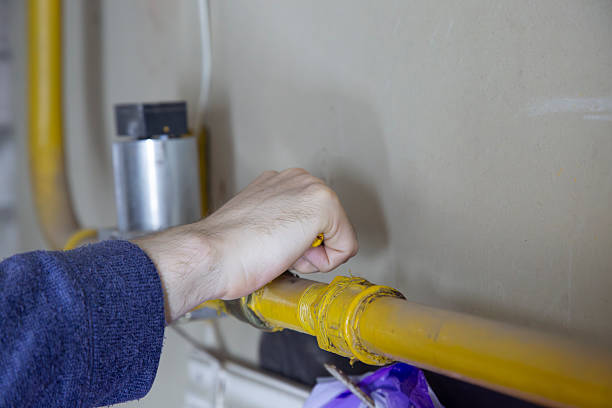
Smelling gas in your home is not something you ever want to ignore, delay, or “wait and see” about. Even a faint odour can indicate a serious leak and a potential safety hazard. In Australia, natural gas is commonly used for cooking, heating, and hot water systems, which means gas-related issues can occur in both older and newer homes.
Knowing exactly what to do in these moments is essential. This guide explains immediate steps, common causes, warning signs, and when to call professional plumbers in Melbourne, with a strong focus on gas safety.
Why a Gas Smell Should Always Be Taken Seriously
Natural gas itself is odourless. The “rotten egg” smell people notice is intentionally added with a substance called mercaptan so leaks can be detected quickly.
That smell is a warning signal, not something to ignore.
Even a small leak can lead to:
- Fire or explosion risks
- Carbon monoxide exposure (in some cases)
- Headaches, dizziness, or nausea
- Long-term damage if gas builds up in enclosed areas
This is why gas safety is treated as a critical emergency issue in Australia.
Step 1: Stay Calm and Act Immediately
The first rule is simple: don’t panic, but don’t delay either.
If you smell gas:
- Stop what you are doing immediately
- Do not try to locate the source by sniffing around
- Treat it as a potential emergency
Even if the smell is faint or intermittent, it should still be treated seriously.
Step 2: Do NOT Use Electrical Switches or Flames
One of the most important gas safety rules is to avoid anything that could create a spark.
Do NOT:
- Turn lights on or off
- Use power points or electrical appliances
- Light matches or lighters
- Use your phone inside the house if possible
Even a small spark from an electrical switch can ignite gas in certain conditions.
Step 3: Open Doors and Windows Immediately
Ventilation is critical.
Open:
- Windows
- Doors
- Garage doors (if applicable)
This helps gas disperse more quickly and reduces the concentration inside your home.
However, do not spend too long inside trying to “fix” the situation. Move to the next step quickly.
Step 4: Turn Off the Gas Supply (If Safe to Do So)
If you can safely access your gas meter:
- Turn off the main gas valve
- This is usually located outside the house near the meter
If you are unsure where it is, don’t waste time searching during a suspected leak. Leave the property instead.
Proper gas safety always prioritises evacuation over investigation.
Step 5: Leave the Property Immediately
Once ventilation is started and gas supply is turned off (if safe), evacuate the home.
Make sure:
- All family members and pets leave
- You move to a safe outdoor area
- You avoid using enclosed spaces like garages or basements
Do not assume it is “safe enough” to stay inside.
Gas can accumulate quickly in enclosed environments.
Step 6: Call a Licensed Gas Plumber or Emergency Service
Once you are safely outside, contact professionals immediately.
You should call:
- A licensed gas fitter or plumber
- Or emergency services if the smell is strong or persistent
Experienced plumbers in Melbourne are trained to locate, isolate, and repair gas leaks safely using specialised equipment.
They will typically:
- Test gas lines with detection tools
- Identify the source of the leak
- Isolate the affected section
- Carry out compliant repairs
- Conduct safety testing before restoring supply
Never attempt to repair a gas leak yourself.
Common Causes of Gas Smells in Homes
Understanding what causes gas smells can help you identify risks early, but it should never replace professional inspection.
1. Faulty Gas Appliances
Gas stoves, heaters, and hot water systems can develop leaks due to:
- Worn seals
- Loose connections
- Faulty regulators
- Ageing components
2. Damaged Gas Pipes
Pipes can be damaged by:
- Corrosion over time
- Physical impact during renovations
- Ground movement
- Tree root interference (underground lines)
3. Poor Installation Work
Incorrect installation by unlicensed workers can lead to long-term safety issues.
This is why only qualified plumbers in Melbourne should handle gas line installations.
4. Loose Connections
Even small fittings can loosen over time, especially in older systems.
5. Pilot Light or Burner Issues
If a gas appliance’s pilot light goes out, it may release small amounts of gas.
Symptoms of Gas Exposure to Watch For
If you have been near a suspected leak, watch for symptoms such as:
- Headaches
- Dizziness
- Nausea
- Fatigue
- Irritated eyes or throat
These symptoms may indicate exposure and should not be ignored.
Move to fresh air immediately and seek medical advice if symptoms persist.
What NOT to Do During a Gas Leak
Many people make mistakes during gas emergencies. Avoid the following:
- Do not try to find the leak yourself inside the house
- Do not use appliances or switches
- Do not light candles or matches
- Do not ignore the smell because it “comes and goes”
- Do not re-enter the property until cleared by professionals
Following proper gas safety procedures is essential.
How Gas Plumbers Fix the Problem
When plumbers in Melbourne respond to a gas leak, they follow strict safety protocols.
- Leak Detection Testing
Specialised tools are used to locate even small leaks.
- Pressure Testing
The gas system is pressurised to identify weak points.
- Isolation of Faulty Sections
The damaged part of the system is shut off or removed.
- Repair or Replacement
Depending on severity, plumbers may:
- Replace fittings
- Repair pipe sections
- Install new appliances or connectors
- Final Safety Certification
Before gas is restored, the system is tested to ensure it meets Australian gas safety standards.
Preventing Future Gas Leaks
Prevention is always better than emergency response.
Here’s how to reduce risk:
- Schedule regular gas appliance servicing
- Only use licensed plumbers for installations
- Check flexible hoses for wear
- Avoid DIY gas work completely
- Replace old appliances when needed
Routine inspections by plumbers in Melbourne can identify small issues before they become dangerous.
Why Professional Gas Safety Matters
Gas systems are not like general plumbing. They require specialised training, licensing, and strict regulatory compliance.
Professional gas safety ensures:
- Safe installation and repairs
- Proper ventilation and testing
- Reduced risk of leaks or accidents
- Compliance with Australian standards
This is not an area where shortcuts are safe.
Final Thoughts
Smelling gas in your home is always a serious situation that requires immediate action. Even if the smell is faint or temporary, it should never be ignored.
The correct response is simple: stay calm, avoid electrical switches, ventilate the area, leave the property, and contact qualified plumbers in Melbourne without delay.
If you suspect a gas leak, don’t take any chances. The team at Perspective Plumbing follows strict gas safety practices to identify and repair gas leaks safely. Call 0411 295 646 today to arrange an urgent inspection or speak with an experienced plumber.