
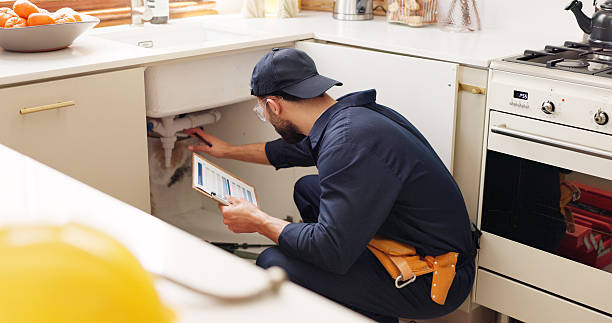
A leaking tap, a slow drain or a toilet that won’t flush properly can quickly throw off your day. While it might be tempting to tackle the problem yourself, not every plumbing issue has a simple DIY fix. Knowing when to handle it yourself and when to call a professional can save you time, money and unnecessary stress.
Understanding the difference between DIY and a professional plumber is important not just for saving money, but also for avoiding costly damage, safety risks, and long-term plumbing issues.
In Australia, where homes range from older pipe systems to modern installations, knowing when to DIY and when to call a licensed plumber can make a big difference to both your wallet and your property.
Why People Consider DIY Plumbing
DIY plumbing has become popular for a few simple reasons:
- It seems cheaper upfront.
- Online tutorials make it look easy.
- Basic tools are readily available.
- People want quick fixes without waiting for trades.
For minor issues, DIY can absolutely be a practical option. However, plumbing systems are more complex than they appear, and small mistakes can quickly turn into expensive repairs.
That’s why understanding DIY vs professional plumber scenarios is essential before you start unscrewing anything.
Common DIY Plumbing Tasks (Safe to Try)
There are a few low-risk plumbing jobs most homeowners can safely handle:
1. Unclogging Minor Blockages
- Using a plunger for sinks or toilets
- Clearing hair from shower drains
- Using a simple drain snake for surface clogs
If the blockage is minor and localised, DIY methods usually work well.
2. Fixing a Dripping Tap
- Replacing washers or O-rings
- Tightening loose fittings
- Cleaning mineral build-up
A dripping tap is often caused by worn rubber parts, which are inexpensive and easy to replace.
3. Replacing Showerheads or Fixtures
- Swapping old showerheads
- Installing new tapware
- Replacing hose fittings
These are generally straightforward and don’t require shutting off major water lines (in most cases).
4. Toilet Adjustments
- Fixing a running toilet
- Replacing a flapper valve
- Adjusting float levels
These repairs are relatively simple and often require basic tools.
When DIY Plumbing Becomes Risky
While some plumbing jobs are straightforward, others are better left to a licensed plumber. Problems that aren’t immediately visible or involve your home’s main plumbing system can be much harder to diagnose and repair.
Here are some situations where attempting a DIY fix could end up causing more harm than good.
1. Hidden Leaks
Leaks behind walls or beneath floors can be difficult to detect without specialised equipment. Trying to repair them yourself may not fix the underlying problem and could allow the damage to spread unnoticed.
2. Low Water Pressure Issues
Low water pressure isn’t always a simple fix. It can be linked to pipe corrosion, hidden blockages or problems with the pressure regulator, making it a job that’s best left to a licensed plumber.
3. Sewer or Drain Line Problems
If multiple drains are backing up, it may indicate a sewer line issue. DIY fixes won’t reach the root cause.
4. Gas-Related Plumbing
Gas plumbing should never be a DIY job. In Australia, only licensed gas plumbers are legally permitted to carry out gas work.
5. Hot Water System Issues
Hot water systems often involve electricity, gas or solar components. Attempting repairs yourself can be unsafe and may void the manufacturer’s warranty.
The Risks of DIY Plumbing Mistakes
A DIY repair might seem like a good way to save money, but if the problem isn’t fixed properly, it can end up costing much more in the long run.
1. Water Damage
Even a small leak can spread over time, leading to mould, damaged walls or flooring, and costly repairs.
2. Incorrect Installation
Loose fittings or poorly connected pipes may not cause problems straight away, but they can leak or fail over time.
3. Voided Insurance
Some insurance policies may not cover damage caused by plumbing work carried out by an unlicensed person.
4. Hidden Long-Term Issues
A temporary repair can mask the real problem, allowing it to become more serious over time.
5. Higher Repair Costs Later
A plumbing issue that’s not properly repaired can become more complicated and more expensive to fix later.
When You Should Always Call a Professional Plumber
Understanding the “professional” side of DIY vs professional plumber decisions is crucial. You should always call a licensed plumber when:
1. There Is a Burst Pipe
This is an emergency. Immediate professional repair is required to prevent flooding.
2. You Smell Gas
Gas leaks are extremely dangerous and require urgent professional attention.
3. No Water or No Hot Water
If your entire system stops working, it’s not a DIY issue.
4. Sewer Backups
Raw sewage issues require specialised equipment and safety procedures.
5. Major Renovations
Bathroom or kitchen renovations involve compliance with Australian plumbing standards.
6. Repeated Blockages
If a drain keeps clogging, the problem is deeper than a simple blockage.
Cost Comparison: DIY vs Professional Plumber
At first glance, DIY looks cheaper. But the real cost comparison is more complex:
DIY Costs
- Tools: $20 – $200
- Parts: $10 – $150
- Time spent: 1–5 hours
- Risk of mistakes: High
Professional Plumber Costs
- Call-out fee: $100 – $250
- Standard repair: $150 – $500
- Emergency repair: $250 – $1,000+
- Warranty on work: Yes
While DIY saves money upfront, professional work often prevents recurring problems and costly damage.
Benefits of Hiring a Professional Plumber
Hiring a licensed plumber offers several long-term benefits beyond simply fixing the problem.
1. Expertise and Experience
Licensed plumbers can quickly identify the cause of a problem and recommend the most effective solution.
2. Proper Tools and Equipment
Professional plumbers use specialised equipment, such as CCTV drain cameras, high-pressure jet cleaners and leak detection devices, to accurately diagnose and repair plumbing issues.
3. Compliance with Australian Standards
Licensed plumbers ensure all work meets Australian safety and plumbing regulations.
4. Guaranteed Workmanship
Many professional plumbing services provide warranties, giving you added confidence in the quality of the repair.
5. Faster Problem Resolution
With the right experience and equipment, professional plumbers can often resolve issues much faster than a DIY repair.
How to Decide: DIY or Call a Plumber?
Here’s a simple rule of thumb:
DIY is suitable when:
- The problem is visible
- The fix is simple (washer, tap, plunger)
- No water damage risk exists
Call a professional when:
- The problem is hidden or recurring
- Water or gas is involved
- The issue affects multiple fixtures
- You are unsure about the cause
If there’s any doubt, it’s usually safer to go with a plumber.
The Smart Approach: Combine DIY with Professional Help
You don’t always have to choose one or the other. A balanced approach works best:
- Do basic maintenance yourself
- Handle minor visible issues
- Call a plumber for inspections and major repairs
This reduces costs while ensuring safety and reliability.
Final Thoughts
Some plumbing jobs are simple enough to tackle yourself, but others are best left to a licensed professional. Knowing the difference can help you avoid unnecessary costs, prevent further damage and keep your home’s plumbing system running safely.
If you’re unsure whether a plumbing issue can be fixed yourself or needs professional attention, the team at Perspective Plumbing is here to help. Call 0411 295 646 to book a service or speak with an experienced plumber.