perspectiveplumbing

Category: Plumbing

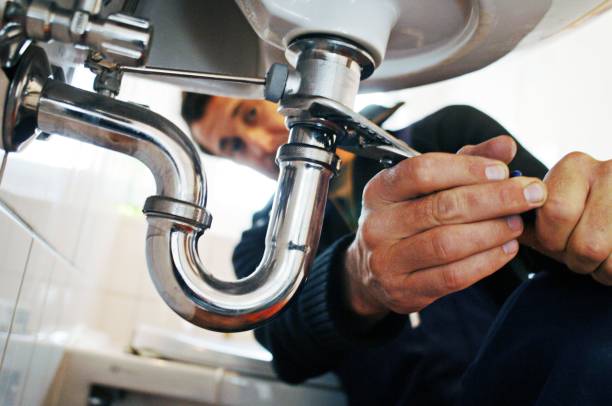
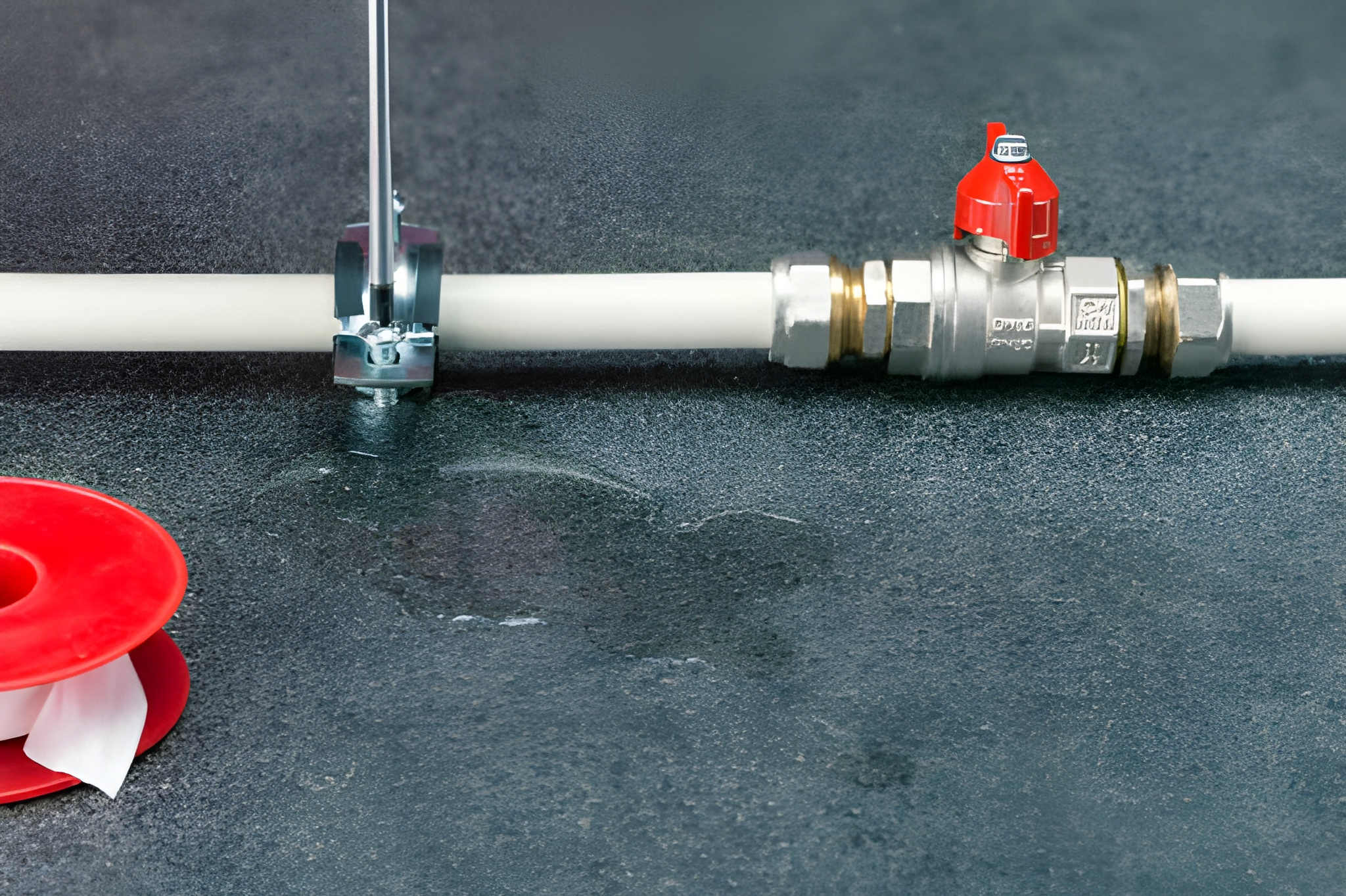
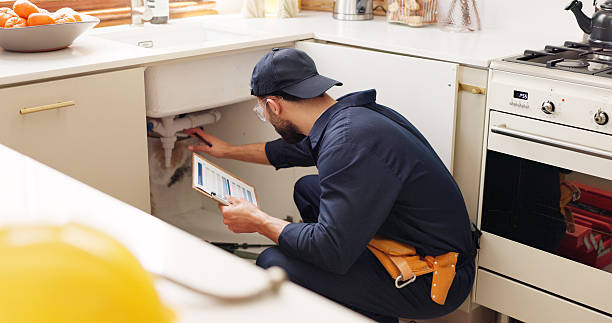
  • DIY vs Professional Plumber: When to Call for Help

    DIY vs Professional Plumber: When to Call for Help

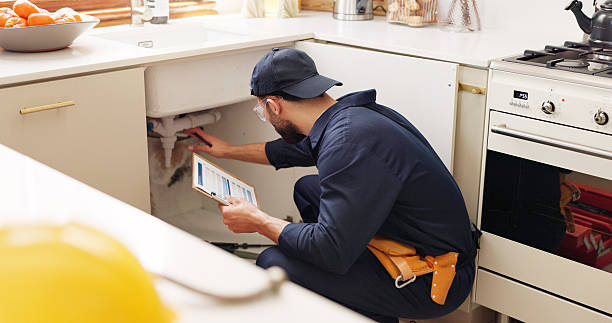
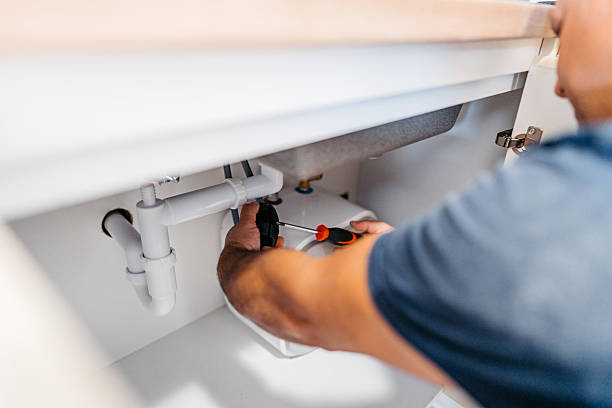
    A leaking tap, a slow drain or a toilet that won’t flush properly can quickly throw off your day. While it might be tempting to tackle the problem yourself, not every plumbing issue has a simple DIY fix. Knowing when to handle it yourself and when to call a professional can save you time, money and unnecessary stress.

    Understanding the difference between DIY and a professional plumber is important not just for saving money, but also for avoiding costly damage, safety risks, and long-term plumbing issues.

    In Australia, where homes range from older pipe systems to modern installations, knowing when to DIY and when to call a licensed plumber can make a big difference to both your wallet and your property.

    Why People Consider DIY Plumbing

    DIY plumbing has become popular for a few simple reasons:

    • It seems cheaper upfront.
    • Online tutorials make it look easy.
    • Basic tools are readily available.
    • People want quick fixes without waiting for trades.

    For minor issues, DIY can absolutely be a practical option. However, plumbing systems are more complex than they appear, and small mistakes can quickly turn into expensive repairs.

    That’s why understanding DIY vs professional plumber scenarios is essential before you start unscrewing anything.

    Common DIY Plumbing Tasks (Safe to Try)

    There are a few low-risk plumbing jobs most homeowners can safely handle:

    1. Unclogging Minor Blockages

    • Using a plunger for sinks or toilets
    • Clearing hair from shower drains
    • Using a simple drain snake for surface clogs

    If the blockage is minor and localised, DIY methods usually work well.

    2. Fixing a Dripping Tap

    • Replacing washers or O-rings
    • Tightening loose fittings
    • Cleaning mineral build-up

    A dripping tap is often caused by worn rubber parts, which are inexpensive and easy to replace.

    3. Replacing Showerheads or Fixtures

    • Swapping old showerheads
    • Installing new tapware
    • Replacing hose fittings

    These are generally straightforward and don’t require shutting off major water lines (in most cases).

    4. Toilet Adjustments

    • Fixing a running toilet
    • Replacing a flapper valve
    • Adjusting float levels

    These repairs are relatively simple and often require basic tools.

    When DIY Plumbing Becomes Risky

    While some plumbing jobs are straightforward, others are better left to a licensed plumber. Problems that aren’t immediately visible or involve your home’s main plumbing system can be much harder to diagnose and repair.

    Here are some situations where attempting a DIY fix could end up causing more harm than good.

    1. Hidden Leaks

    Leaks behind walls or beneath floors can be difficult to detect without specialised equipment. Trying to repair them yourself may not fix the underlying problem and could allow the damage to spread unnoticed.

    2. Low Water Pressure Issues

    Low water pressure isn’t always a simple fix. It can be linked to pipe corrosion, hidden blockages or problems with the pressure regulator, making it a job that’s best left to a licensed plumber.

    3. Sewer or Drain Line Problems

    If multiple drains are backing up, it may indicate a sewer line issue. DIY fixes won’t reach the root cause.

    4. Gas-Related Plumbing

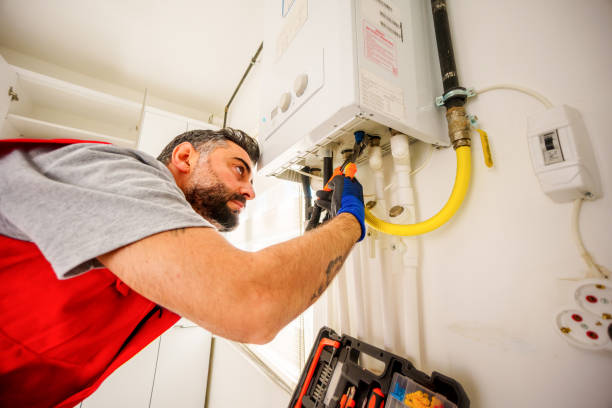
    Gas plumbing should never be a DIY job. In Australia, only licensed gas plumbers are legally permitted to carry out gas work.

    5. Hot Water System Issues

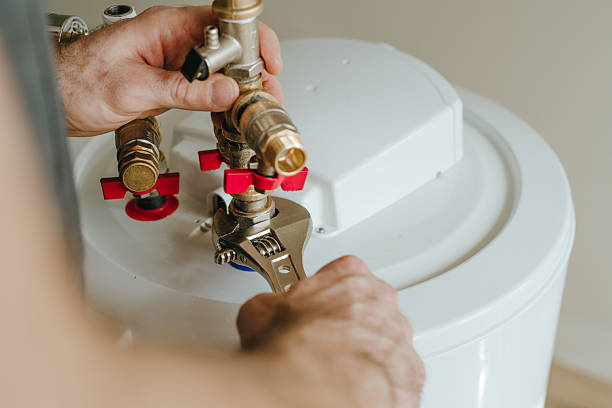
    Hot water systems often involve electricity, gas or solar components. Attempting repairs yourself can be unsafe and may void the manufacturer’s warranty.

    The Risks of DIY Plumbing Mistakes

    A DIY repair might seem like a good way to save money, but if the problem isn’t fixed properly, it can end up costing much more in the long run.

    1. Water Damage

    Even a small leak can spread over time, leading to mould, damaged walls or flooring, and costly repairs.

    2. Incorrect Installation

    Loose fittings or poorly connected pipes may not cause problems straight away, but they can leak or fail over time.

    3. Voided Insurance

    Some insurance policies may not cover damage caused by plumbing work carried out by an unlicensed person.

    4. Hidden Long-Term Issues

    A temporary repair can mask the real problem, allowing it to become more serious over time.

    5. Higher Repair Costs Later

    A plumbing issue that’s not properly repaired can become more complicated and more expensive to fix later.

    When You Should Always Call a Professional Plumber

    Understanding the “professional” side of DIY vs professional plumber decisions is crucial. You should always call a licensed plumber when:

    1. There Is a Burst Pipe

    This is an emergency. Immediate professional repair is required to prevent flooding.

    2. You Smell Gas

    Gas leaks are extremely dangerous and require urgent professional attention.

    3. No Water or No Hot Water

    If your entire system stops working, it’s not a DIY issue.

    4. Sewer Backups

    Raw sewage issues require specialised equipment and safety procedures.

    5. Major Renovations

    Bathroom or kitchen renovations involve compliance with Australian plumbing standards.

    6. Repeated Blockages

    If a drain keeps clogging, the problem is deeper than a simple blockage.

    Cost Comparison: DIY vs Professional Plumber

    At first glance, DIY looks cheaper. But the real cost comparison is more complex:

    DIY Costs

    • Tools: $20 – $200
    • Parts: $10 – $150
    • Time spent: 1–5 hours
    • Risk of mistakes: High

    Professional Plumber Costs

    • Call-out fee: $100 – $250
    • Standard repair: $150 – $500
    • Emergency repair: $250 – $1,000+
    • Warranty on work: Yes

    While DIY saves money upfront, professional work often prevents recurring problems and costly damage.

    Benefits of Hiring a Professional Plumber

    Hiring a licensed plumber offers several long-term benefits beyond simply fixing the problem.

    1. Expertise and Experience

    Licensed plumbers can quickly identify the cause of a problem and recommend the most effective solution.

    2. Proper Tools and Equipment

    Professional plumbers use specialised equipment, such as CCTV drain cameras, high-pressure jet cleaners and leak detection devices, to accurately diagnose and repair plumbing issues.

    3. Compliance with Australian Standards

    Licensed plumbers ensure all work meets Australian safety and plumbing regulations.

    4. Guaranteed Workmanship

    Many professional plumbing services provide warranties, giving you added confidence in the quality of the repair.

    5. Faster Problem Resolution

    With the right experience and equipment, professional plumbers can often resolve issues much faster than a DIY repair.

    How to Decide: DIY or Call a Plumber?

    Here’s a simple rule of thumb:

    DIY is suitable when:

    • The problem is visible
    • The fix is simple (washer, tap, plunger)
    • No water damage risk exists

    Call a professional when:

    • The problem is hidden or recurring
    • Water or gas is involved
    • The issue affects multiple fixtures
    • You are unsure about the cause

    If there’s any doubt, it’s usually safer to go with a plumber.

    The Smart Approach: Combine DIY with Professional Help

    You don’t always have to choose one or the other. A balanced approach works best:

    • Do basic maintenance yourself
    • Handle minor visible issues
    • Call a plumber for inspections and major repairs

    This reduces costs while ensuring safety and reliability.

    Final Thoughts

    Some plumbing jobs are simple enough to tackle yourself, but others are best left to a licensed professional. Knowing the difference can help you avoid unnecessary costs, prevent further damage and keep your home’s plumbing system running safely.

    If you’re unsure whether a plumbing issue can be fixed yourself or needs professional attention, the team at Perspective Plumbing is here to help. Call 0411 295 646 to book a service or speak with an experienced plumber.
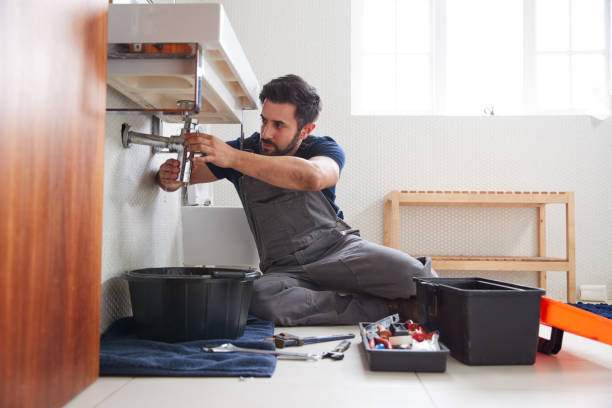
  • Emergency Plumber Costs: What to Expect

    Emergency Plumber Costs: What to Expect

    Plumbing emergencies rarely happen at a convenient time. Whether it’s a burst pipe, an overflowing toilet or a sudden loss of hot water, getting the problem fixed quickly becomes the priority. While emergency plumbing services are available when you need them most, they often cost more than a standard call-out.

    Understanding emergency plumber costs before an emergency happens can make the situation far less stressful. The cost of an emergency plumber in Australia can vary depending on factors such as the time of the call, the type of repair, and how urgent the problem is.

    In this guide, we’ll look at what emergency plumbing services typically cost in 2026, what can affect the final price, and how you can avoid paying more than necessary.

    What Is an Emergency Plumber?

    An emergency plumber is a licensed professional who provides urgent plumbing services outside normal business hours. This typically includes:

    • Nights (after 5-6pm)
    • Weekends
    • Public holidays
    • Same-day urgent callouts

    They handle issues that cannot wait, such as:

    Burst pipes

    Severe water leaks

    Blocked toilets or drains

    No hot water

    Flooding risks

    Gas leaks

    Because these situations require immediate response, emergency plumber costs are higher than standard plumbing rates.

    Average Emergency Plumber Costs in Australia (2026)

    In 2026, the average pricing for emergency plumbing in Australia is:

    • Call-out fee: $150 – $300
    • Hourly rate: $150 – $350 per hour
    • After-hours surcharge: +20% to +100%
    • Total job cost (typical): $250 – $800+

    For more complex issues like burst pipes or sewer backups, costs can exceed $1,000+, especially if parts or excavation are required.

    In short, the urgency of the job directly affects emergency plumber costs.

    Breakdown of Emergency Plumbing Charges

    To understand how pricing works, it helps to break it down into components:

    1. Call-Out Fee

    • $150 – $300
    • Covers travel, assessment, and initial diagnosis
    • Usually higher at night or on weekends

    Even if the issue is small, this fee applies because the plumber is responding urgently.

    2. Labour Costs

    • $150 – $350 per hour
    • Charged in 15-30 minute increments
    • Higher for licensed specialists (e.g. gas plumbers)

    Labour accounts for the largest portion of emergency plumber costs 

    3. After-Hours Surcharge

    • +20% to +100% increase
    • Applies outside normal business hours
    • Public holidays are the most expensive

    For example, a $200 job during business hours could cost $400 or more at midnight.

    4. Parts and Materials

    • $20 – $500+ depending on repair
    • Common items include valves, fittings, seals, or pipes

    If major parts, such as hot water components or sewer fittings, are needed, costs rise quickly.

    Common Emergency Plumbing Scenarios & Costs

    Here’s what you might realistically pay for common emergencies:

    Burst Pipe Repair

    • $250 – $1,200+
    • Depends on the pipe location and severity
    • Hidden leaks inside walls or underground cost more

    Blocked Toilet or Drain

    • $150 – $600
    • Simple blockage: lower end
    • Sewer line blockage: higher end

    No Hot Water

    • $200 – $800
    • May involve thermostat, gas valve, or system failure

    Gas Leak Repair

    • $300 – $1,000+
    • Requires a licensed gas fitter
    • Includes safety testing and compliance checks

    Flooding or Major Leak

    • $400 – $1,500+
    • Emergency shut-off + repair required
    • May include water damage prevention work

    What Affects Emergency Plumber Costs?

    Several factors influence how much you’ll pay in an emergency:

    1. Time of Call

    Night, weekend, and public holiday callouts are significantly more expensive.

    2. Severity of the Issue

    A minor leak is cheaper than a burst water main or sewer overflow.

    3. Location of the Problem

    Hard-to-access pipes (behind walls, under floors, or underground) increase labour time.

    4. Travel Distance

    If you’re outside metro areas, travel fees may apply.

    5. Experience of the Plumber

    Highly experienced or specialised plumbers often charge more but can fix issues faster.

    Why Emergency Plumbing Costs More

    Many homeowners wonder why emergency plumber costs are so high compared to standard plumbing.

    Here’s why:

    1. 24/7 Availability

    Plumbers must be on standby outside normal working hours.

    2. Immediate Response

    Jobs are prioritised over scheduled work, disrupting their normal workflow.

    3. Staffing & Logistics

    Companies often pay penalty rates to staff working nights and weekends.

    4. Urgency Risk

    Emergency jobs often involve higher risks (water damage, flooding, gas leaks) and require faster, more skilled intervention.

    How to Reduce Emergency Plumbing Costs

    While emergencies are unpredictable, you can still reduce expenses:

    1. Act Quickly

    Small leaks become expensive floods if ignored.

    2. Know Your Shut-Off Valve

    Turning off water early can prevent major damage and reduce repair time.

    3. Regular Maintenance

    Annual plumbing checks can prevent most emergencies.

    4. Avoid DIY Damage

    Incorrect DIY fixes often increase repair complexity and cost.

    5. Compare Quotes (When Possible)

    If the situation is not life-threatening, get a second opinion before authorising major repairs.

    Emergency vs Standard Plumbing: Cost Comparison

    Service Type Average Cost
    Standard plumber (business hours) $80 – $150/hour
    Emergency plumber $150 – $350/hour
    After-hours emergency $250 – $500/hour

    As shown, emergency plumber costs can be nearly double or triple standard rates.

    When You Should Call an Emergency Plumber

    Not every issue requires urgent service. However, you should call immediately if:

    • Water is actively flooding
    • You smell gas
    • The sewer is backing up into your home
    • You have no water supply at all
    • Hot water system has completely failed in winter
    • A burst pipe is causing damage

    Delaying these issues can lead to thousands of dollars in property damage.

    Is Emergency Plumbing Worth It?

    While the cost may seem high, emergency plumbing is often worth it because it:

    • Prevents structural damage
    • Reduces long-term repair costs
    • Protects health and safety
    • Restores essential services quickly

    In many cases, the cost of waiting is far higher than what you pay in emergency plumber costs.

    Final Thoughts

    Plumbing emergencies can happen without warning, but knowing what influences emergency plumber costs can help you make informed decisions when every minute counts. Acting quickly can often prevent further damage, reduce repair costs and get your home back to normal sooner.

    If you’re dealing with a plumbing emergency, the team at Perspective Plumbing is ready to help. We provide prompt, reliable emergency plumbing services to minimise damage and restore your plumbing as quickly as possible. Call 0411 295 646 today to book an urgent call-out or speak with an experienced plumber.
  • Preparing Your Plumbing for Summer in Melbourne

    Preparing Your Plumbing for Summer in Melbourne

    Melbourne summers are famous for their heat, humidity, and occasional storms. While most homeowners focus on cooling their homes and enjoying outdoor activities, many forget that summer can place a significant strain on household plumbing systems. High water usage, hot weather, and sudden storms can lead to blocked drains, burst pipes, or inefficient hot water systems if your plumbing isn’t properly prepared.

    This comprehensive guide will walk Melbourne homeowners through essential tips for preparing plumbing for summer. From preventive maintenance to emergency preparedness, we’ll cover everything you need to ensure your home’s water system runs smoothly. For professional help, always consult a licensed plumber in Doreen to protect your home from costly repairs.

    Why Summer Puts Stress on Plumbing

    Summer introduces several challenges that can affect your home’s plumbing:

    1. Increased Water Usage – Irrigation, pools, showers, and cooling systems lead to higher water consumption.
    2. Heat-Related Pipe Stress – High temperatures can expand pipes and fittings, increasing the risk of leaks.
    3. Storm Damage – Summer storms can flood gardens, block drains, and damage plumbing systems.
    4. Hot Water Demand – Longer showers and increased outdoor activities can place an extra load on hot water systems.

    Understanding these risks allows homeowners to take proactive measures to prevent plumbing emergencies during the hot months.

    1. Inspect and Maintain Your Pipes

    Pipes are the backbone of your plumbing system. Summer heat and increased water flow can exacerbate existing issues like leaks or corrosion.

    Tips for pipe maintenance:

    • Check for leaks: Inspect visible pipes for drips, corrosion, or cracks. Even small leaks can worsen under summer heat.
    • Insulate pipes: Pipes exposed to direct sunlight or extreme heat can benefit from insulation or reflective wraps to prevent damage.
    • Test water pressure: High pressure can strain pipes and fittings. Use a pressure gauge to ensure your system is operating within safe limits.
    • Repair old or damaged pipes: If you notice ageing pipes or weak connections, consult a Plumber Doreen for repairs or replacement.

    Regular pipe inspections before summer can help prevent emergencies like burst pipes or major leaks.

    Also Read : https://perspectiveplumbing.com.au/preventative-plumbing-maintenance-seasonal-checklist/

    2. Maintain Your Hot Water System

    Hot water systems are often overlooked, yet summer’s increased water usage and high temperatures can reveal inefficiencies or faults.

    Hot water system preparation tips:

    • Schedule a professional service: A licensed plumber can check your system for leaks, pressure issues, and heating efficiency.
    • Flush storage tanks: Sediment buildup reduces efficiency and can shorten your system’s lifespan.
    • Check temperature settings: Ensure your system is set to an optimal temperature for safety and efficiency.
    • Consider upgrades: If your hot water system is over 10 years old, upgrading to an energy-efficient model can save water and electricity.

    A well-maintained hot water system ensures reliable performance during summer, when long showers and pool usage put extra demand on your system.

    3. Inspect and Clean Drains

    Summer storms and garden activities often cause blocked drains. Leaves, dirt, and debris can accumulate, leading to slow drainage, foul odours, or even flooding.

    Tips for drain maintenance:

    • Clean gutters and downpipes: Ensure gutters are free of leaves, twigs, and debris.
    • Use drain guards: Mesh covers can prevent debris from entering your drainage system.
    • Inspect outdoor drains: Check for blockages in stormwater drains and garden drains.
    • Schedule professional cleaning: If drains are slow or blocked, a plumber in Doreen can use high-pressure water jets or cameras to clear obstructions efficiently.

    Maintaining clean drains reduces the risk of flooding and water damage during summer storms.

    4. Prepare Outdoor Plumbing

    Summer in Melbourne often involves heavy use of outdoor taps, irrigation systems, and pools. Preparing these systems for high usage is essential.

    Outdoor plumbing tips:

    • Check irrigation systems: Look for leaks, broken sprinklers, or uneven water distribution.
    • Inspect taps and hoses: Ensure outdoor taps are fully functional and hoses are leak-free.
    • Install water-saving devices: Consider timers, drip irrigation, or smart controllers to optimise water use.
    • Maintain pools: Check pool pumps, filters, and plumbing lines to avoid leaks and ensure efficient operation.

    Properly maintained outdoor plumbing saves water and prevents costly damage during peak summer use.

    5. Prevent Leaks and Water Waste

    Summer water bills often spike due to leaks or inefficient usage. Even small leaks can result in significant water loss.

    Tips to prevent leaks:

    • Regularly check all taps, toilets, and pipes for drips or moisture.
    • Monitor your water meter for unusual spikes in consumption.
    • Repair leaks promptly – delayed repairs often escalate into major problems.
    • Educate household members on water-saving practices.

    Professional assistance from a plumber in Doreen can help detect hidden leaks that might otherwise go unnoticed.

    6. Inspect Water Pressure

    High water pressure can stress plumbing systems and increase water wastage. Low pressure can also indicate blockages or faulty systems.

    Water pressure tips:

    • Use a pressure gauge: Measure pressure at taps and compare with recommended levels (usually 200–500 kPa).
    • Install pressure regulators: Reduce excessive pressure to protect pipes and appliances.
    • Consult a plumber: Persistent high or low pressure issues should be evaluated by a professional.

    Maintaining optimal water pressure prolongs the lifespan of your plumbing and ensures efficient operation.

    7. Check Your Hot Water Safety Devices

    Summer usage often highlights safety issues with hot water systems. Ensuring your safety devices are functioning is essential.

    Safety checks include:

    • Temperature relief valves: Prevent overheating and potential explosions.
    • Mixing valves: Ensure safe water temperature at taps and showers.
    • Regular maintenance: Have a licensed plumber inspect these systems to avoid accidents.

    Safety checks are especially important during the summer when hot water usage is frequent.

    8. Prepare for Storms

    Melbourne’s summer storms can be sudden and heavy. Flash flooding, blocked stormwater drains, and leaking roofs can put pressure on your plumbing system.

    Storm preparation tips:

    • Clean gutters and downpipes: Prevent overflowing and water damage.
    • Check sump pumps and stormwater outlets: Ensure they are free of debris and functional.
    • Inspect roof and flashing: Ensure water flows correctly into gutters.
    • Plan emergency drainage: Identify low-lying areas where water may accumulate and consider temporary barriers.

    Proper storm preparation protects your home and plumbing system from unexpected damage.

    9. Reduce Water Usage Wisely

    Summer is when water usage naturally increases, but small changes can make a big difference:

    • Take shorter showers to reduce hot water demand.
    • Use dishwashers and washing machines efficiently with full loads only.
    • Water gardens in the early morning or evening to reduce evaporation.
    • Install water-saving fixtures such as tap aerators and efficient showerheads.

    These measures not only conserve water but also reduce strain on your plumbing system.

    10. When to Call a Plumber

    Despite best efforts, plumbing issues may still occur during the summer. Homeowners should contact a Plumber Doreen if they notice:

    • Leaking or burst pipes
    • Blocked drains or slow drainage
    • Faulty hot water systems
    • Water pressure issues
    • Leaking outdoor taps or irrigation systems

    Professional plumbers have the expertise, tools, and local knowledge to resolve issues quickly and prevent long-term damage.

    11. Why Choose a Local Plumber in Doreen

    Hiring a local plumber in Doreen offers several advantages:

    • Quick response during emergencies
    • Knowledge of local conditions and council regulations
    • Trusted, reliable service with local reputation
    • Preventative maintenance advice tailored to Melbourne’s summer conditions

    A licensed plumber in Doreen is an investment in both your home’s safety and your peace of mind during the hot season.

    12. Common Summer Plumbing Problems in Melbourne

    Summer can trigger several common plumbing issues for Melbourne homes:

    1. Leaking or burst pipes due to heat and pressure fluctuations
    2. Blocked drains from storm debris and garden waste
    3. Hot water system failures from increased demand
    4. Outdoor tap or irrigation leaks from high usage
    5. Water pressure problems caused by the expansion and contraction of pipes

    Being aware of these issues allows homeowners to take preventive action before they escalate.

    Conclusion

    Preparing your plumbing for summer in Melbourne is essential to avoid emergencies, reduce water bills, and ensure your home remains comfortable. By inspecting pipes, maintaining hot water systems, cleaning drains, preparing outdoor plumbing, and consulting a licensed plumber in Doreen, homeowners can minimise the risk of summer plumbing problems.

    Key summer plumbing preparation tips include:

    • Inspect and maintain pipes
    • Service your hot water system
    • Clean gutters and drains
    • Protect outdoor plumbing
    • Prevent leaks and water waste
    • Maintain optimal water pressure
    • Prepare for storms
    • Reduce water usage wisely

    Taking these steps ensures your home’s plumbing is resilient, efficient, and ready for Melbourne’s hot summer months.

    Summer in Melbourne can put your plumbing to the test. From hidden leaks to pressure issues, early maintenance helps prevent costly repairs and keeps your home running smoothly. Contact Perspective Plumbing at 0411 295 646 to schedule a summer plumbing inspection and stay ahead of problems before they start.

  • Winter Plumbing Tips for Northern Melbourne Suburbs

    Winter Plumbing Tips for Northern Melbourne Suburbs

    Winter in Northern Melbourne can be a beautiful season, with crisp mornings and cosy nights. However, it’s also a time when plumbing issues often spike. Cold temperatures, heavy rain, and frost can place significant strain on your home’s plumbing system, leading to frozen pipes, leaking taps, and blocked drains. Understanding how to prepare your plumbing for the colder months is crucial to avoid costly repairs and maintain a safe, comfortable home.

    In this guide, we’ll explore essential winter plumbing tips for homeowners in Northern Melbourne, explain common problems, and highlight when it’s best to call a trusted Plumber in Whittlesea.

    Why Winter Affects Plumbing

    During winter, a combination of lower temperatures, increased water usage, and changing weather patterns can lead to plumbing challenges. Some common winter plumbing issues include:

    1. Frozen or Burst Pipes – Water expands when frozen, which can crack pipes.

    2. Blocked Drains – Leaves, debris, and heavy rainfall can clog stormwater and household drains.

    3. Hot Water System Strain – Colder weather increases demand for hot water, placing pressure on your system.

    4. Increased Water Pressure – Sudden temperature changes can affect pressure, stressing pipes and fixtures.

    By being proactive, homeowners in Northern Melbourne can prevent many of these issues.

    1. Protect Your Pipes from Freezing

    Even though Melbourne winters aren’t as harsh as in other parts of Australia, the northern suburbs can still experience cold snaps that may cause pipes to freeze, especially those in unheated areas such as garages, under houses, or outside walls.

    Tips to prevent frozen pipes:

    • Insulate exposed pipes: Use foam pipe insulation or thermal wraps on outdoor pipes, under sinks, and in unheated areas.

    • Seal gaps: Ensure gaps in walls, floors, or around pipes are sealed to prevent cold air from reaching them.

    • Let taps drip: During extremely cold nights, allow a slow trickle of water to flow through taps. Running water is less likely to freeze.

    • Open cupboard doors: In kitchens and bathrooms, open cabinet doors to allow warm indoor air to circulate around plumbing.

    If you notice frozen or cracked pipes, contact a licensed plumber in Whittlesea immediately to prevent further damage. Attempting DIY fixes without experience can worsen the problem.

    2. Maintain Your Hot Water System

    Winter places extra demand on hot water systems, as showers, baths, and heating require more hot water. Older systems or those that haven’t been maintained are more likely to fail during the colder months.

    Hot water system winter tips:

    • Annual service: Schedule a service before winter to ensure your system is functioning efficiently.

    • Flush the system: Sediment build-up in tanks can reduce efficiency and lead to corrosion.

    • Check temperature settings: Ensure your hot water system is set to the recommended temperature (usually around 60°C) to prevent scalding while maintaining efficiency.

    • Consider upgrades: If your system is over 10 years old, upgrading to a modern, energy-efficient model can reduce bills and improve reliability during winter.

    For professional inspections and maintenance, always rely on a plumber in Whittlesea who is familiar with local systems and conditions.

    3. Prevent Blocked Drains

    Winter often brings heavy rain, falling leaves, and debris, which can block your drains. Blockages not only reduce drainage efficiency but can also cause unpleasant odours and water damage.

    Tips to prevent blocked drains:

    • Clear gutters and downpipes: Ensure leaves and debris are removed regularly to prevent water from backing up.

    • Install drain guards: Use mesh guards to catch leaves and prevent them from entering drains.

    • Regular drain maintenance: Consider having a plumber inspect drains for early signs of blockages.

    • Avoid pouring fat, oil, or food down kitchen sinks: These substances solidify in cooler weather and increase the risk of blockages.

    Regular preventive maintenance can help you avoid emergency plumbing issues during winter.

    4. Check for Leaks

    Winter is a time when leaks often worsen, as cold weather can cause pipes to contract and joints to loosen. Even minor leaks can escalate into significant water damage during the rainy season.

    Leak prevention tips:

    • Inspect taps and pipes: Look for drips or moisture around taps, showerheads, and under sinks.

    • Monitor water meter: Keep an eye on your water meter. Unexpected increases in usage may indicate hidden leaks.

    • Repair promptly: Small leaks may seem harmless, but they can cause mould, rot, or structural damage if left unaddressed.

    For reliable repairs, a licensed plumber in Whittlesea can quickly identify the source of the leak and provide professional solutions.

    5. Prepare Outdoor Plumbing

    Outdoor taps, irrigation systems, and pools are susceptible to damage in winter. Cold weather and heavy rain can freeze or corrode exposed plumbing.

    Outdoor plumbing winter tips:

    • Turn off and drain irrigation systems: Prevent water from freezing in pipes.

    • Disconnect hoses: Remove hoses from outdoor taps and drain them completely.

    • Cover outdoor taps: Use tap covers or insulation to protect against frost.

    • Check for leaks: Inspect outdoor connections for drips or corrosion.

    Maintaining outdoor plumbing ensures your system is ready for spring without unexpected repairs.

    6. Inspect Your Roof and Gutters

    Winter storms and heavy rainfall can cause blocked gutters, roof leaks, and water ingress, which may indirectly affect your home’s plumbing.

    Roof and gutter tips:

    • Clean gutters and downpipes: Remove leaves and debris to prevent overflowing and water damage.

    • Check for leaks: Inspect roof tiles and flashings for cracks or loose components.

    • Install gutter guards: Helps reduce debris accumulation and minimises maintenance.

    Regular maintenance prevents water from entering unwanted areas and protects your home’s plumbing from extra strain.

    7. Reduce Water Usage Wisely

    Winter doesn’t have to mean skyrocketing water bills. Being mindful of water usage can reduce stress on your plumbing system and save money.

    Water-saving tips for winter:

    • Take shorter showers to conserve hot water.

    • Run washing machines and dishwashers with full loads only.

    • Fix dripping taps promptly to prevent wastage.

    • Reuse greywater for gardens if possible.

    Even small changes in household habits can significantly reduce water consumption during winter.

    8. Be Prepared for Emergencies

    Despite all precautions, plumbing emergencies can still occur in winter. Burst pipes, blocked drains, or hot water system failures often happen at inconvenient times.

    Emergency preparation tips:

    • Keep the contact details of a reliable Plumber Whittlesea handy.

    • Know the location of your main water shut-off valve.

    • Keep basic tools and pipe repair materials for minor emergencies.

    • Insure your home and plumbing system to cover unexpected damage.

    Being prepared ensures you can respond quickly and minimise damage if an emergency occurs.

    Common Winter Plumbing Problems in Northern Melbourne

    Homeowners in Northern Melbourne frequently face specific winter plumbing challenges:

    1. Burst or frozen pipes: Especially in older homes with uninsulated plumbing.

    2. Hot water system breakdowns: Increased demand and ageing units contribute to failures.

    3. Blocked stormwater drains: Autumn leaves and heavy rain often clog gutters and drains.

    4. Leaking taps and toilets: Colder weather can worsen minor leaks.

    5. Low water pressure: Pipes contracting in cold weather may restrict flow.

    Being aware of these common issues allows you to take preventative measures before they escalate.

    When to Call a Plumber

    Some winter plumbing problems require professional expertise. You should contact a Plumber Whittlesea if you notice:

    • Frozen or burst pipes

    • Persistent leaks from taps or toilets

    • Blocked drains that can’t be cleared with standard methods

    • Hot water system issues

    • Water pressure problems

    Professional plumbers in Northern Melbourne have the tools, experience, and local knowledge to resolve issues efficiently and prevent recurrence.

    Why Choose a Local Plumber in Whittlesea

    Hiring a local plumber offers several advantages:

    • Quick response: Local plumbers can reach your home faster during emergencies.

    • Knowledge of local conditions: Familiar with Northern Melbourne weather, common issues, and council regulations.

    • Trusted service: Local reputation and word-of-mouth referrals ensure reliable work.

    • Preventative maintenance: Local experts can identify and address seasonal risks before they escalate.

    A reliable Plumber Whittlesea is an investment in both your home’s safety and your peace of mind.

    Conclusion

    Winter in Northern Melbourne can be challenging for homeowners when it comes to plumbing. Cold temperatures, heavy rain, and increased water usage create opportunities for leaks, burst pipes, blocked drains, and hot water system failures. However, with proper preparation, regular maintenance, and professional support, these problems can be avoided.

    Key winter plumbing tips include:

    • Insulate pipes and protect against frost

    • Maintain your hot water system

    • Prevent blocked drains and gutters

    • Monitor for leaks and repair promptly

    • Prepare outdoor plumbing

    • Reduce water usage wisely

    • Be ready for emergencies

    By implementing these strategies and partnering with a trusted Plumber Whittlesea, homeowners in Northern Melbourne can enjoy a warm, safe, and worry-free winter.

    When winter hits the Northern Melbourne suburbs, plumbing issues can escalate quickly, from frozen pipes to unexpected leaks and pressure problems. Staying proactive can save you time, stress, and costly repairs. At Perspective Plumbing, we’re here to help keep your home running smoothly all season long. Whether it’s a hidden leak, pressure issue, or urgent repair, early action makes all the difference. Call us at 0411 295 646 to book an inspection and stay ahead of winter plumbing troubles.

  • Understanding Your Water Bill: Common Causes of High Usage

    Understanding Your Water Bill: Common Causes of High Usage

    Water is one of the most essential resources in our daily lives. Yet, many homeowners in Australia are often shocked by the high water bills that seem to arrive each month. Understanding why your water usage is so high can help you take steps to reduce costs, conserve water, and ensure your plumbing system is functioning efficiently. In this comprehensive guide, we’ll break down the most common causes of high water usage, explain how to read your water bill, and provide practical solutions, including when to call a plumber in Bundoora, specialists for hot water systems, or a gas fitter in Craigieburn.

    How to Read Your Water Bill

    Before tackling the causes of high water usage, it’s important to understand what your water bill actually tells you. Most Australian water providers provide a breakdown of charges that typically include:

    1. Water Usage Charges – The cost of the water you use, usually measured in kilolitres (kL).

    2. Service Charges – Fixed fees for maintaining the infrastructure that supplies water to your home.

    3. Sewerage Charges – Costs related to the removal and treatment of wastewater.

    4. Additional Fees – Sometimes bills include extra fees for maintenance, stormwater management, or government taxes.

    Reading your water meter regularly can help you track your usage and identify any unusual spikes in consumption. A sudden increase without any lifestyle changes often points to plumbing issues, leaks, or inefficient appliances.

    Common Causes of High Water Usage

    High water bills don’t always mean you’ve been careless with water. Several hidden factors can contribute to excessive consumption.

    1. Leaks in Your Plumbing System

    One of the most common causes of high water usage is leaks. Leaks can occur anywhere, from visible taps and toilets to hidden pipes behind walls or under floors. Even a small drip can waste thousands of litres of water per year.

    Signs of leaks include:

    • Constant sound of running water
    • Wet spots or damp patches on walls or ceilings
    • Sudden increase in water bills without additional usage

    Hiring a qualified plumber in Bundoora can help detect and fix leaks efficiently. Modern plumbers use specialised equipment, such as thermal imaging cameras and acoustic leak detectors, to detect hidden leaks that may not be visible to the naked eye.

    2. Inefficient Hot Water Systems

    Older or poorly maintained hot water systems can be significant contributors to high water usage. Systems that take longer to heat water or require multiple taps to run before hot water arrives often waste water unnecessarily.

    If your household uses an outdated hot water system, it may be time to consult hot water system experts in Craigieburn. Upgrading to a more energy-efficient and water-efficient system can reduce wastage and lower your bills. Consider:

    • Installing a tankless or continuous flow hot water system
    • Flushing your water heater regularly to remove sediment
    • Insulating hot water pipes to minimise heat loss

    3. Faulty Toilets

    Toilets are notorious for being the biggest water wasters in the home. Even a minor leak from a toilet cistern can result in hundreds of litres of water wasted per day. Common problems include:

    • Worn-out flappers
    • Leaking cisterns
    • Running toilets due to faulty fill valves

    If your toilet runs constantly or you notice unusual sounds, a plumber can quickly replace the faulty parts. Regular maintenance prevents unnecessary water loss and reduces your bill significantly.

    4. Inefficient or Old Appliances

    Appliances like washing machines and dishwashers use a considerable amount of water. Older models often consume more water than modern, energy-efficient models. Consider:

    • Upgrading to a water-efficient washing machine with a high star rating
    • Using full loads only
    • Choosing eco-friendly dishwasher cycles

    Even small adjustments in how you use your appliances can have a noticeable impact on your water bill.

    5. Outdoor Water Usage

    Many Australians underestimate the amount of water used outdoors. Lawns, gardens, and pools are major contributors to high water consumption. Overwatering, leaking irrigation systems, and inefficient sprinklers can all lead to increased bills.

    Tips to reduce outdoor water usage:

    • Water gardens early in the morning or late in the evening to reduce evaporation
    • Use drought-resistant plants and native landscaping
    • Check irrigation systems for leaks or blockages
    • Consider installing rainwater tanks for garden use

    6. Faulty Gas or Hot Water Connections

    Incorrectly installed or malfunctioning gas appliances can also lead to water wastage, especially if they are part of your hot water system. Gas leaks not only increase bills but can pose safety hazards. Certified professionals like a gas fitter in Craigieburn can ensure your connections are safe and efficient. Regular inspections and maintenance are essential to prevent hidden water loss from hot water leaks.

    7. Water Pressure Issues

    High water pressure can increase water usage dramatically. Homes with excessive water pressure may see leaks develop faster, and appliances like washing machines and showers may use more water than necessary.

    How to manage water pressure:

    • Install a pressure-reducing valve
    • Check for pressure fluctuations using a pressure gauge
    • Consult a plumber to adjust your system safely

    8. Behavioural Factors

    Sometimes high water usage is a result of daily habits rather than plumbing issues. Long showers, leaving taps running, and frequent use of hoses or sprinklers can all contribute. Educating household members about water conservation and monitoring usage can have a big impact.

    Practical tips:

    • Take shorter showers
    • Turn off taps while brushing teeth or washing dishes
    • Reuse greywater for gardens when possible

    How to Reduce Your Water Bill

    Understanding the cause of high water usage is the first step. Once identified, there are several strategies to reduce your water bill effectively:

    Conduct Regular Plumbing Inspections

    Regular inspections by a plumber in Bundoora or your local area can catch leaks before they become expensive problems. This proactive approach saves water, prevents property damage, and ensures your system is functioning efficiently.

    Upgrade Hot Water Systems

    Replacing an inefficient hot water system with a modern, water-saving model is a long-term investment. Professionals can help choose the right system for your home, ensuring minimal wastage and optimal energy efficiency.

    Replace or Maintain Fixtures

    • Install water-saving taps, showerheads, and toilets
    • Repair dripping taps immediately
    • Regularly check appliances for leaks or inefficiency

    Even small improvements in your fixtures can reduce water usage by hundreds of litres per month.

    Monitor Your Outdoor Water Usage

    • Implement smart irrigation systems
    • Use rainwater tanks for watering gardens
    • Opt for native plants that require less water

    Smart landscaping and water-conscious practices can dramatically lower your bills without compromising garden aesthetics.

    Check for Hidden Issues

    Sometimes, hidden plumbing issues or faulty gas connections can be the culprits behind high water usage. A certified gas fitter in Craigieburn can inspect your system, identify hidden leaks, and ensure your connections comply with safety standards.

    Educate Household Members

    Behavioral change is one of the simplest ways to reduce water usage:

    • Encourage shorter showers
    • Turn off taps when not in use
    • Avoid unnecessary washing cycles

    Small lifestyle changes, combined with regular maintenance, have a lasting impact.

    When to Call Professionals

    While some issues can be addressed with DIY fixes, many high-water-use problems require professional intervention. Call a licensed plumber in Bundoora or your local area if you notice:

    • Sudden spikes in your water bill without explanation
    • Persistent leaks from taps, toilets, or pipes
    • Running toilets that don’t stop
    • Issues with hot water delivery

    For hot water system concerns, always consult a hot water systems professional in Craigieburn. For gas-related problems, including water heaters, a gas fitter in Craigieburn ensures safety and compliance.

    Conclusion

    High water bills can be stressful, but understanding the underlying causes puts you in control. From leaks and faulty appliances to behavioural factors and inefficient hot water systems, there are multiple areas to investigate. By taking proactive measures, maintaining your plumbing, and consulting trusted professionals, you can significantly reduce water usage and save money.

    Monitoring your usage, upgrading inefficient systems, and adopting water-conscious habits will not only lower your bills but also contribute to sustainability efforts. A win-win for your wallet and the environment.

    Understanding a sudden spike in your water bill can be frustrating, but identifying the cause early can save you money and prevent bigger issues down the track. Whether it’s an unnoticed leak, inefficient fixtures, or excessive usage, getting professional help is key. At Perspective Plumbing, we’re here to help you find the problem fast and fix it right the first time. Call us at 0411 295 646 to book an inspection and take control of your water usage today.

  • Plumbing Regulations in Victoria: What You Need to Know

    Plumbing Regulations in Victoria: What You Need to Know

    Plumbing is an essential aspect of maintaining the safety, hygiene, and comfort of homes and businesses. In Victoria, plumbing regulations are strict to ensure the safety of water supplies, sanitation systems, and gas installations. Homeowners and business operators in Craigieburn and the greater Melbourne area must understand these regulations to avoid legal issues, safety hazards, and unnecessary costs. 

    This comprehensive guide provides an in-depth look at plumbing regulations in Victoria.

    Why Plumbing Regulations Are Important

    Plumbing regulations protect public health, property, and the environment. Poorly executed plumbing can result in:

    • Contaminated water supplies
    • Water damage to homes and businesses
    • Structural damage due to leaks or burst pipes
    • Exposure to hazardous gases such as carbon monoxide
    • Legal penalties and fines

    By complying with regulations, you ensure that your plumbing system is safe, efficient, and reliable. Licensed plumbers are trained to meet all regulatory requirements and provide safe and professional installations.

    Licensing Requirements for Plumbers in Victoria

    In Victoria, plumbing work can only be performed by licensed professionals. There are several types of licences, each covering different aspects of plumbing.

    1. Plumbing Practitioner Licence

    A general plumbing licence allows the holder to carry out most types of plumbing work, including water supply, sanitary, and drainage systems. This ensures that plumbing work meets Australian standards and local laws.

    2. Gasfitting Licence

    Gasfitting requires a separate licence due to the inherent hazards involved. Licensed gasfitters are trained to safely install, repair, and maintain gas appliances and piping systems. Hiring a licensed Plumber Craigieburn ensures your gas work is compliant and safe.

    3. Drainage Licence

    Specialised drainage work, including sewer connections and stormwater systems, requires a drainage licence. Licensed plumbers ensure proper slope, connection, and compliance with regulations.

    4. Supervision and Apprenticeship

    Apprentices must work under a licensed plumber. Supervising plumbers are responsible for ensuring that work is carried out safely and according to regulations. This system ensures the next generation of plumbers is well-trained and compliant.

    5. Insurance Requirements

    Licensed plumbers must have public liability insurance and WorkCover coverage. This protects homeowners and businesses from financial liability in case of accidents, property damage, or injuries.

    Victorian Plumbing Codes and Standards

    Plumbing work in Victoria must comply with several codes and standards.

    1. Plumbing Code of Australia (PCA)

    The PCA sets out minimum technical standards for plumbing systems, ensuring safety and performance. It covers installation, maintenance, and materials.

    2. Australian/New Zealand Standards (AS/NZS)

    Standards such as AS/NZS 3500 provide detailed requirements for water supply, sanitary plumbing, and drainage. AS/NZS 6400 covers water-efficient products. Compliance ensures longevity, efficiency, and safety.

    3. Victorian Building Authority (VBA) Regulations

    The VBA oversees licensing, inspections, and enforcement of plumbing regulations. Licensed plumbers are required to follow VBA regulations to ensure safety and compliance.

    Types of Plumbing Work Regulated in Victoria

    Victorian regulations cover a wide range of plumbing tasks, including:

    1. Water Supply Systems

    • Installation and maintenance of pipes, taps, and fixtures
    • Hot water systems
    • Rainwater harvesting systems
    • Backflow prevention devices

    2. Sanitary Plumbing

    • Toilets, basins, showers, and baths
    • Wastewater management and sewer connections
    • Compliance with hygiene and sanitation standards

    3. Stormwater and Drainage Systems

    • Roof and surface water drainage
    • Subsoil and yard drainage
    • Soakaways, pits, and stormwater channels

    4. Gas Fitting

    • Gas appliance installations
    • Maintenance and repair of gas piping
    • Safety inspections and compliance checks

    5. Emergency Plumbing Work

    • Burst pipes
    • Sewer backups
    • Gas leaks

    Engaging a licensed plumber in Craigieburn ensures that all regulated work is performed safely, efficiently, and legally.

    Compliance and Permits

    1. Plumbing Permits

    Certain plumbing work requires permits, including:

    • New building construction
    • Major renovations
    • Alterations to existing water, gas, or drainage systems

    Licensed plumbers handle permit applications and ensure all inspections are scheduled according to VBA requirements.

    2. Inspections and Compliance Certificates

    After completing plumbing work, licensed plumbers provide compliance certificates verifying that the installation meets safety and regulatory standards. These documents are important for legal, insurance, and resale purposes.

    3. Record-Keeping

    Plumbers are required to maintain detailed records of all work, including materials used, inspections, and certificates. Homeowners and businesses should keep copies of these records to ensure legal and insurance protection.

    Safety Regulations

    Victorian regulations impose stringent safety requirements to protect residents, workers, and the environment.

    1. Backflow Prevention

    Backflow devices prevent contamination of potable water by ensuring water flows in the correct direction. Licensed plumbers install and test these devices according to regulations.

    2. Gas Safety

    Gas installations must follow strict safety codes to prevent leaks, explosions, and carbon monoxide poisoning. Only licensed gasfitters can legally perform gas work.

    3. Hot Water Safety

    Hot water systems must include temperature and pressure relief valves to prevent scalding and system failures. Regular servicing by a licensed plumber ensures these safety devices function properly.

    4. Materials and Workmanship

    All plumbing materials must comply with Australian standards. Licensed plumbers follow approved installation methods to prevent leaks, corrosion, and system failures.

    Penalties for Non-Compliance

    Failure to comply with plumbing regulations can result in:

    • Significant fines for homeowners or contractors
    • Voided insurance policies
    • Legal action for unsafe or substandard work
    • Requirement to redo non-compliant work at additional cost

    Engaging a licensed plumber in Craigieburn mitigates these risks, ensuring all work is compliant, safe, and of high quality.

    Choosing a Licensed Plumber in Craigieburn

    Selecting the right plumber is crucial for compliance and safety.

    Key Considerations

    1. Licence Verification: Confirm the plumber’s credentials on the VBA database.
    2. Experience: Ensure the plumber has experience with the specific type of work required.
    3. References and Reviews: Check for positive client feedback and case studies.
    4. Insurance: Confirm that the plumber holds public liability and WorkCover insurance.
    5. Emergency Services: Availability for urgent plumbing issues.

    Questions to Ask Your Plumber

    • Are you licensed and insured?
    • Can you provide compliance certificates?
    • Do you have experience with similar projects?
    • Will you handle permit applications and inspections?
    • Can you provide a written estimate and warranty?

    Common Plumbing Mistakes to Avoid

    • Hiring unlicensed contractors
    • Performing DIY plumbing work without permits
    • Ignoring compliance certificates
    • Using substandard materials
    • Failing to schedule regular inspections

    Avoiding these mistakes ensures safety, compliance, and reliable plumbing systems.

    Maintaining Compliance

    • Schedule annual inspections with a licensed plumber
    • Keep records of all plumbing work and compliance certificates
    • Stay informed about changes in Victorian plumbing regulations
    • Use licensed professionals for new installations, repairs, and upgrades

    A professional plumber in Craigieburn helps you navigate regulations and maintain compliance.

    Some Practical Examples

    Residential Plumbing Compliance

    A homeowner in Craigieburn wanted to renovate their bathroom. By engaging a licensed plumber Craigieburn, they ensured all pipes, fixtures, and drainage complied with VBA regulations. Permits were obtained, and inspections were scheduled. Post-renovation, compliance certificates were issued, ensuring legal protection and safety.

    Commercial Plumbing Compliance

    A local café required new gas appliances. A licensed gasfitter ensured the installation complied with gas safety codes, including proper venting and leak testing. The café avoided potential fines and insured all installations were safe for staff and customers.

    Future Developments in Plumbing Regulations

    Victoria continues to update plumbing codes to reflect new technologies, environmental concerns, and safety standards. Some trends include:

    • Increased use of water-efficient appliances
    • Smart plumbing technologies for leak detection
    • Enhanced backflow prevention requirements
    • Stricter gas safety measures

    Working with a licensed plumber Craigieburn ensures your plumbing systems meet current and future regulatory standards.

    Conclusion

    Understanding plumbing regulations in Victoria is essential for homeowners and business operators. Compliance ensures safety, protects public health, prevents property damage, and avoids legal penalties. Licensing, standards, permits, inspections, and professional maintenance all play crucial roles in maintaining safe and efficient plumbing systems.

    Residents in Craigieburn benefit from working with licensed plumbing professionals who provide expert guidance, installation, and ongoing maintenance. By staying informed and adhering to regulations, you can ensure your plumbing system is safe, reliable, and compliant for years to come.

  • Preventative Plumbing Maintenance: Seasonal Checklist

    Preventative Plumbing Maintenance: Seasonal Checklist

    Preventative plumbing maintenance is essential for keeping your home’s plumbing system in top condition, avoiding costly repairs, and ensuring safety. Regular inspections and seasonal care can extend the lifespan of your pipes, fixtures, and appliances. For homeowners in Eltham and across Melbourne, following a structured maintenance schedule helps prevent emergencies and keeps water flowing efficiently.

    This comprehensive guide provides a seasonal checklist for plumbing maintenance and how plumbers in Eltham can help.

    Why Preventative Plumbing Maintenance Matters

    Neglecting plumbing maintenance can lead to problems such as:

    • Burst pipes
    • Blocked drains
    • Water leaks and property damage
    • Poor water pressure
    • High water bills

    Regular maintenance ensures:

    • Early detection of potential issues
    • Reduced repair costs
    • Safe and reliable water supply
    • Compliance with local plumbing standards

    A licensed plumber in Eltham can provide inspections, advice, and professional maintenance services tailored to your home.

    Seasonal Plumbing Maintenance Checklist

    Plumbing requirements vary with the seasons due to temperature changes, rainfall patterns, and household usage. Here’s a detailed seasonal checklist for homeowners.

    Summer Maintenance

    Key Focus: High water usage, outdoor plumbing, irrigation systems.

    1. Inspect Outdoor Taps and Hoses

    • Check for leaks or cracks
    • Ensure garden hoses are properly connected
    • Replace damaged washers

    2. Service Sprinkler Systems

    • Clean nozzles and filters
    • Check for leaks in underground pipes
    • Adjust sprinkler heads for optimal coverage

    3. Maintain Pool Plumbing

    4. Inspect Kitchen and Bathroom Drains

    • Remove food debris and hair
    • Flush drains with hot water to prevent blockages

    5. Check Hot Water Systems

    • Test temperature and pressure relief valves
    • Inspect for leaks and corrosion
    • Flush tank if necessary

    Autumn Maintenance

    Key Focus: Preparation for winter, reducing risk of blockages.

    1. Clean Gutters and Downpipes

    • Remove leaves and debris
    • Ensure water flows freely to stormwater drains
    • Check for signs of corrosion or damage

    2. Inspect Sewer and Stormwater Lines

    • Look for slow drains or gurgling sounds
    • Consider CCTV inspection if recurring blockages occur
    • Address minor issues before winter rains

    3. Service Gas and Heating Appliances

    • Inspect gas connections and pipes
    • Check gas heaters and boilers
    • Schedule professional servicing with a licensed plumber in Eltham

    Also Read : https://perspectiveplumbing.com.au/plumbing-tips-for-summer-seasons/

    4. Check Outdoor Irrigation

    • Drain and winterise sprinkler systems
    • Repair leaks before cold weather

    5. Test Indoor Plumbing Fixtures

    • Inspect taps and faucets for leaks
    • Ensure toilets and showers are operating correctly
    • Replace worn washers and seals

    Winter Maintenance

    Key Focus: Prevent freezing, manage high water usage indoors.

    1. Protect Pipes from Freezing

    • Insulate exposed pipes
    • Allow a trickle of water to flow during extreme cold
    • Seal gaps around walls and foundations

    2. Inspect Hot Water Systems

    • Ensure water heaters are functioning efficiently
    • Check for leaks in the tank or pipes
    • Schedule maintenance if necessary

    3. Maintain Indoor Drains

    • Avoid pouring grease down sinks
    • Use strainers in sinks and showers
    • Regularly flush drains with hot water

    4. Test Heating Systems

    • Inspect radiators and underfloor heating connections
    • Flush and bleed systems if needed
    • Call a licensed plumber in Eltham for servicing

    5. Monitor Water Pressure

    • Check for fluctuations in pressure
    • Adjust pressure regulators if necessary
    • Inspect pressure relief valves for hot water systems

    Spring Maintenance

    Key Focus: Prepare for summer, repair winter damage.

    1. Inspect Outdoor Plumbing

    • Check garden taps and hoses for winter damage
    • Clean and repair irrigation systems
    • Ensure outdoor showers or pool connections are leak-free

    2. Clear Blocked Drains

    • Remove debris from gutters, downpipes, and stormwater drains
    • Use professional cleaning for stubborn blockages
    • Schedule CCTV inspections for recurring problems

    3. Inspect Water Heating Systems

    • Flush storage tanks to remove sediment
    • Check for leaks and corrosion
    • Test thermostats and safety valves

    4. Service Appliances

    • Check dishwashers, washing machines, and other water-using appliances
    • Inspect hoses and connections for wear
    • Replace old or damaged hoses

    5. Review Plumbing Fixtures

    • Inspect taps, showers, and toilets
    • Repair leaks or drips promptly
    • Test pressure and water flow

    Benefits of Hiring a Licensed Plumber

    Professional maintenance ensures that plumbing systems are safe, efficient, and compliant with Victorian regulations. A licensed plumber in Eltham can:

    • Detect hidden leaks or blockages
    • Service hot water and gas systems
    • Inspect and repair sewer and stormwater lines
    • Provide advice on upgrades and replacements
    • Offer emergency services if unexpected issues arise

    Common Signs You Need Professional Plumbing Maintenance

    • Unexplained spikes in water bills
    • Slow-draining sinks or toilets
    • Leaks or water stains on walls or ceilings
    • Strange noises in pipes
    • Foul odours from drains

    Early detection and maintenance prevent emergencies and costly repairs.

    DIY Plumbing Tips for Homeowners

    While professional maintenance is essential, homeowners can perform simple tasks:

    • Regularly clean sink and shower strainers
    • Avoid flushing non-flushable items
    • Inspect visible pipes for leaks or corrosion
    • Flush hot water systems periodically
    • Monitor water pressure and appliance performance

    These actions complement professional services and reduce wear on your plumbing system.

    Seasonal Maintenance Schedule Summary

    Season Key Focus Tasks
    Summer Outdoor plumbing & high water usage Inspect taps, hoses, sprinklers, pool plumbing, and hot water system checks
    Autumn Winter prep & blockages Clean gutters, inspect sewer/stormwater lines, service gas heaters, winterise sprinklers
    Winter Freeze prevention & indoor plumbing Insulate pipes, maintain hot water and heating systems, monitor drains and water pressure
    Spring Summer prep & repair Inspect outdoor plumbing, clear blocked drains, service appliances, flush hot water systems

    Conclusion

    Preventative plumbing maintenance is crucial for the long-term health of your home’s plumbing system. Seasonal checks, regular servicing, and early intervention can prevent blockages, leaks, and costly repairs. For homeowners, consulting a licensed plumber in Eltham ensures professional assessment, safe practices, and compliance with Victorian plumbing standards.

    By following this seasonal checklist, you can maintain efficient, reliable, and safe plumbing year-round, ensuring peace of mind and comfort for your household.

    For peace of mind and quicker solutions, Perspective Plumbing is always ready to help. Our expert plumbers can tackle any plumbing issue and provide tips to prevent future problems. Don’t wait until a small issue becomes a big one call us at 0411 295 646 for professional guidance and reliable service!

  • How to Choose a Licensed Plumber in Heidelberg?

    How to Choose a Licensed Plumber in Heidelberg?

    Finding a reliable, licensed plumber can feel overwhelming, especially when your home or business faces urgent plumbing issues. In Victoria, like other suburbs of Melbourne, plumbing problems range from minor leaks to major emergencies, and hiring the wrong professional can be costly, dangerous, and stressful. This comprehensive guide explains how to choose a trusted plumber, what to look for, and the red flags to avoid. Whether you need routine maintenance, urgent repairs, or a full system installation, this guide will help you make informed decisions.

    Throughout this guide, we’ll emphasise the importance of hiring a licensed, experienced and professional plumber in Heidelberg.

    Why Hiring a Licensed Plumber Matters

    In Victoria, plumbing work is strictly regulated. Only licensed plumbers are legally allowed to carry out plumbing tasks. Hiring an unlicensed person can result in:

    • Poor workmanship leading to recurring issues
    • Violation of safety codes, risking health and property
    • Insurance complications in case of damage
    • Fines and legal repercussions for both homeowners and plumbers

    Licensed plumbers have the proper training, insurance, and compliance knowledge to protect your property and family. This is why identifying a Plumber in Heidelberg with valid credentials is essential.

    Key Qualifications to Look For

    1. Victorian Plumbing Licence

    Ensure your plumber holds a current Victorian plumbing licence. You can verify this on the Victorian Government’s plumbing licence database.

    2. Insurance and Work Cover

    A licensed plumber should carry:

    • Public liability insurance
    • Work cover insurance
      This protects you in case of accidents or property damage during work.

    3. Experience and Specialisation

    Some plumbers specialise in residential, commercial, or emergency services. Check their experience in the type of job you require, whether it’s:

    • Hot water systems
    • Gas installation
    • Drainage and sewer repairs

    4. Membership in Professional Associations

    Membership in associations such as the Master Plumbers Association of Victoria (MPAV) indicates commitment to industry standards and continuous professional development.

    How to Research a Plumber in Victoria

    Before hiring, thorough research is critical. Follow these steps:

    Step 1: Online Reviews and Testimonials

    Check Google reviews, social media pages, and directories. Consistent positive feedback and examples of previous work indicate reliability.

    Step 2: Ask for References

    Reputable plumbers should provide references from past clients. Call these references to verify the quality of the work and professionalism.

    Step 3: Verify Licences and Insurance

    Cross-check their licence and insurance details. Avoid anyone unwilling to provide proof.

    Step 4: Get Multiple Quotes

    Obtain quotes from at least three plumbers. Compare not just price but the scope of work, warranties, and response times.

    Step 5: Assess Communication and Professionalism

    A good plumber explains the problem, offers solutions, and communicates clearly about timelines and costs.

    Red Flags to Avoid When Hiring a Plumber in Victoria

    Being able to identify warning signs can save you money, time, and stress. Red flags include:

    1. No Licence or Insurance

    Never hire someone who cannot provide valid credentials. It’s illegal and risky.

    2. Extremely Low Quotes

    While affordability is important, quotes that are too good to be true often indicate:

    • Substandard materials
    • Unqualified work
    • Hidden costs that appear later

    3. Lack of Written Estimates

    Reputable plumbers provide written quotes detailing the work, materials, and price. Verbal agreements can lead to disputes.

    4. Poor Communication

    Difficulty in getting a response, vague explanations, or pushy sales tactics signal unreliability.

    5. No Warranty or Guarantee

    Professional plumbers stand by their work with warranties. Avoid plumbers who refuse to offer any guarantee.

    6. Negative Online Presence

    Consistently poor reviews or unresolved complaints online are a warning sign.

    Common Services Offered by Licensed Plumbers

    Knowing what services a licensed plumber provides helps you choose the right professional for your needs. Common services include:

    • Emergency plumbing: Burst pipes, blocked drains, leaking taps
    • Hot water systems: Repairs, installation, and maintenance
    • Gas plumbing: Installation and repairs of gas appliances
    • Drainage and sewer: Clearing blockages, CCTV inspections, repairs
    • Bathroom and kitchen renovations: Complete plumbing for remodels

    If you’re in Victoria, look for a plumber who can handle the specific service you require.

    Questions to Ask a Potential Plumber

    Before hiring, ask these questions to assess reliability and competence:

    1. Are you licensed and insured?
    2. How many years of experience do you have?
    3. Can you provide references or testimonials?
    4. Do you offer a warranty or guarantee on your work?
    5. What is your availability for emergencies?
    6. Can you provide a written estimate?
    7. How do you handle unexpected complications during a job?

    Clear and confident answers indicate professionalism.

    Emergency Plumbing Considerations

    Even if your current project is routine, it’s wise to choose a plumber who can handle emergencies. Melbourne households often face urgent issues like:

    • Sewer blockages after heavy rain
    • Gas leaks

    A reliable plumber in  Heidelberg should provide 24/7 emergency services or quick response times to prevent extensive damage.

    How to Protect Yourself Legally and Financially

    Hiring a licensed plumber helps safeguard you legally. To further protect yourself:

    • Keep copies of all agreements and invoices
    • Confirm warranties in writing
    • Document damage before work begins
    • Ensure compliance with local council regulations

    These steps ensure your plumbing work is covered by insurance and compliant with Victorian law.

    Avoiding Common Mistakes

    Even with a licensed plumber, mistakes can happen if you’re not careful:

    • Not checking credentials: Always verify licence and insurance.
    • Choosing solely based on price: Lowest quotes are not always the best.
    • Ignoring written contracts: Verbal agreements leave you vulnerable.
    • Not researching reviews: Past client experiences reveal professionalism.

    Being proactive prevents most issues.

    Tips for Long-Term Plumbing Success

    Once you’ve found a trusted plumber, maintain a good relationship:

    • Schedule regular inspections
    • Address minor issues before they escalate
    • Use the same plumber for multiple projects when possible
    • Keep their contact for emergencies

    This ensures consistent quality, peace of mind, and often cost savings.

    Choosing the Right Plumber in Heidelberg

    Selecting a licensed, experienced, and professional plumber is crucial for protecting your home, health, and investment. By understanding qualifications, performing thorough research, recognising red flags, and asking the right questions, you can make an informed decision.

    A reliable plumber in Heidelberg offers more than just plumbing services they provide security, expertise, and peace of mind for your household or business.

    Taking the time to choose carefully avoids unnecessary stress, costly mistakes, and legal issues. Remember, a good plumber is an essential partner in maintaining a safe and functional property in Victoria and beyond.

    Choosing the right plumber can save you time, money, and stress. Whether it’s a routine check, an urgent repair, or a hidden leak, acting early makes all the difference. Trust Perspective Plumbing to get the job done right. Call us today at 0411 295 646 to schedule an inspection in Heidelberg and avoid costly mistakes.

  • Complete Guide to Emergency Plumbing Situations in Melbourne

    Complete Guide to Emergency Plumbing Situations in Melbourne

    Plumbing emergencies rarely give you a polite warning. They show up late at night, during long weekends, or right before guests arrive. A burst pipe, overflowing toilet, or sudden loss of hot water can quickly turn from a small inconvenience into serious property damage if not handled correctly.

    This comprehensive guide is designed to help Melbourne homeowners, tenants, landlords, and business owners understand emergency plumbing situations, what to do immediately, and when to call a professional. It also explains local considerations such as Melbourne’s weather, ageing infrastructure, and council regulations.

    If you ever find yourself searching for a reliable emergency plumber in Melbourne or anywhere across Melbourne, this guide will help you make calm, informed decisions under pressure.

    What Is Considered a Plumbing Emergency?

    Not every plumbing issue is an emergency, but many can escalate quickly if ignored. A plumbing emergency is any situation that:

    • Poses a risk to health or safety
    • Causes or threatens property damage
    • Disrupts essential services such as water, sanitation, or gas
    • Cannot reasonably wait until normal business hours

    In Melbourne homes and businesses, common emergencies include burst pipes, sewer blockages, gas leaks, and complete loss of water.

    Why Plumbing Emergencies Are Common in Melbourne

    Melbourne’s unique conditions make plumbing emergencies more likely than many people realise.

    1. Variable Weather Conditions

    Melbourne is famous for experiencing “four seasons in one day”. Sudden temperature drops can cause pipes to contract, while heavy rainfall can overwhelm stormwater and sewer systems.

    2. Older Housing Stock

    Many suburbs, including inner-city areas and established northern suburbs like Epping, still have older plumbing systems. Ageing pipes are more prone to corrosion, cracks, and collapses.

    3. Tree Roots

    Melbourne’s leafy streets are beautiful, but tree roots are a major cause of blocked drains and sewer backups. Roots naturally seek moisture and can infiltrate even small pipe cracks.

    4. High Water Usage

    Busy households, rental properties, and commercial buildings put constant pressure on plumbing systems, increasing the risk of sudden failure.

    Most Common Emergency Plumbing Situations in Melbourne

    Burst Pipes

    A burst pipe is one of the most destructive plumbing emergencies. It can flood your property in minutes, damaging floors, walls, electrical systems, and furniture.

    Common causes include:

    • Corrosion in old metal pipes
    • Sudden temperature changes
    • Excessive water pressure
    • Poor-quality pipe installations

    Immediate actions to take:

    1. Turn off the main water supply
    2. Switch off electricity if water is near power points
    3. Open taps to drain remaining water
    4. Call an emergency plumber immediately

    Blocked Toilets

    A blocked toilet becomes an emergency when it starts to overflow or backs up sewage. This is not just unpleasant it is a serious health risk.

    Common causes:

    • Excessive toilet paper
    • Non-flushable items (wipes, sanitary products)
    • Tree root intrusion
    • Sewer line blockages

    If plunging does not resolve the issue, stop flushing and contact a professional.

    Blocked Drains and Sewer Backups

    Blocked drains are extremely common across Melbourne, especially after heavy rain. When water has nowhere to go, it can back up into sinks, showers, or even floor drains.

    Warning signs include:

    • Gurgling sounds
    • Slow-draining water
    • Bad odours
    • Water backing up in multiple fixtures

    Sewer backups require urgent attention and specialised equipment such as CCTV drain cameras and high-pressure water jetting.

    Gas Leaks

    Gas leaks are among the most dangerous plumbing emergencies. A qualified Gas Fitter should always handle these situations, as they pose a serious risk of explosion and carbon monoxide poisoning.

    Signs of a gas leak:

    • Smell of rotten eggs or sulphur
    • Hissing sounds near gas lines
    • Dizziness or nausea

    What to do immediately:

    • Turn off the gas supply if safe to do so
    • Open windows and doors
    • Do not use electrical switches
    • Leave the property and call a licensed gas plumber

    No Hot Water

    A sudden loss of hot water from your Hot Water Systems may not always seem urgent, but it can be critical for families, businesses, and rental properties.

    Common causes:

    • Faulty hot water system
    • Gas supply issues
    • Electrical faults
    • Thermostat failure

    Emergency plumbers can diagnose whether the system needs repair or urgent replacement.

    Overflowing Stormwater Drains

    During heavy rain events in Melbourne, stormwater drains can overflow, causing flooding around homes and commercial properties.

    Blocked or damaged stormwater systems can undermine foundations and create long-term structural issues if not addressed quickly.

    What to Do Immediately During a Plumbing Emergency

    Knowing what to do in the first few minutes can significantly reduce damage.

    Step 1: Shut Off the Water

    Locate your main water shut-off valve before an emergency occurs. Turning it off quickly can prevent extensive flooding.

    Step 2: Shut Off Gas or Electricity if Necessary

    If the emergency involves gas or water near electrical systems, safety comes first.

    Step 3: Contain the Damage

    Use buckets, towels, or temporary barriers to limit water spread.

    Step 4: Call a Licensed Emergency Plumber

    Professional plumbers have the tools and experience to resolve emergencies safely and efficiently.

    If you are in Melbourne’s northern suburbs, contacting an experienced emergency plumber in Epping ensures fast response times and local knowledge.

    Why DIY Fixes Are Risky During Emergencies

    While online tutorials can be useful for minor maintenance, emergency plumbing situations are not the time for experimentation.

    DIY mistakes can:

    • Make the problem worse
    • Void insurance coverage
    • Cause hidden damage
    • Create safety hazards

    Licensed plumbers comply with Victorian plumbing regulations and provide compliant, insured work.

    How Emergency Plumbers Handle Urgent Situations

    Professional emergency plumbers follow a structured approach:

    1. Rapid assessment of the situation
    2. Isolation of the problem area
    3. Use of specialised tools such as leak detectors and CCTV cameras
    4. Immediate repairs to stop damage
    5. Long-term solutions to prevent recurrence

    This process ensures both short-term relief and lasting results.

    Costs of Emergency Plumbing in Melbourne

    Emergency plumbing services typically cost more than standard call-outs due to:

    • After-hours availability
    • Urgent response requirements
    • Specialised equipment

    Costs vary depending on the severity of the issue, time of day, and parts required. A reputable plumber will always explain pricing clearly before starting work.

    How to Choose the Right Emergency Plumber in Melbourne

    When selecting an emergency plumber, look for:

    • Victorian plumbing licence
    • 24/7 availability
    • Transparent pricing
    • Strong local reputation
    • Experience with similar emergencies

    Local professionals, such as an emergency plumber in Epping, often provide faster service and a better understanding of regional plumbing systems.

    Preventing Plumbing Emergencies Before They Happen

    Prevention is always better than emergency repairs.

    Regular Maintenance

    Schedule routine inspections for pipes, drains, and hot water systems.

    Avoid Flushing Non-Flushable Items

    Only toilet paper should go down the toilet.

    Monitor Water Pressure

    Excessive pressure can strain pipes and fittings.

    Address Small Issues Early

    Minor leaks and slow drains often indicate bigger problems ahead.

    Plumbing Emergencies for Landlords and Property Managers

    Landlords in Victoria have legal responsibilities to address urgent repairs promptly. Plumbing emergencies such as burst pipes, blocked toilets, or gas issues must be handled immediately.

    Having a reliable emergency plumber on call helps protect tenants and property investments.

    Commercial Plumbing Emergencies

    For businesses, plumbing emergencies can mean lost revenue, health code violations, and reputational damage.

    Restaurants, offices, retail stores, and industrial sites require fast, compliant repairs to minimise downtime.

    Insurance and Plumbing Emergencies

    Many insurance claims depend on how quickly action is taken. Delays or unlicensed repairs can jeopardise coverage.

    Always:

    • Document the damage
    • Keep invoices and reports
    • Use licensed professionals

    When to Call an Emergency Plumber vs a Standard Plumber

    Call an emergency plumber when:

    • Water or sewage is actively flowing where it shouldn’t
    • There is a gas smell or a suspected leak
    • Essential services are unavailable
    • Property damage is imminent

    For non-urgent issues, a standard appointment is usually sufficient.

    Stay Prepared for Plumbing Emergencies in Melbourne

    Plumbing emergencies are stressful, but being prepared makes all the difference. Knowing the warning signs, acting quickly, and relying on licensed professionals can save thousands in repairs and protect your home or business.

    Whether it’s a burst pipe at midnight or a blocked drain during a storm, having access to a trusted plumber in Epping or elsewhere in Melbourne ensures peace of mind when you need it most.

    Staying informed is your first line of defence, and now you’re well equipped to handle whatever your plumbing throws at you.

    Whether it’s a hidden leak, pressure problem, or urgent repair, early action makes all the difference. Call us at 0411 295 646 and schedule an inspection for your house. 

  • What Is the Best Way to Detect a Leak?

    What Is the Best Way to Detect a Leak?

    Most people don’t think about water leak detection until something goes wrong. A dripping tap or running toilet is easy to fix. But the leaks you should be concerned about are the ones that are hidden behind walls or under slabs. They can cause mould, structural damage, and expensive repairs. So, the question arises: what is the best way to detect a leak before it becomes disruptive?

    Early detection matters more than most of us realise. Leaks waste water, weaken structures, and in some cases create real safety risks, especially when gas or electrical systems are involved.

    This guide looks closer at what leak detection really means, the best modern and DIY methods available, and when to seek help from specialist water leak detection professionals.

    What Is Leak Detection?

    What Does “Detecting a Leak” Really Mean?

    Leak detection is the process of finding unintended escapes of water or gas from a system designed to contain them. This may cover a wide range of situations. Water leaks inside walls; gas leaks under concrete slab; underground pipe failures that never surface on time. 

    Common signs vary. You might hear a faint hissing or tapping sound. You might notice moisture where it doesn’t belong. Sometimes the only clue is an unexpectedly high bill, which feels abstract until you realise it’s pointing to a very real problem.

    Why Leaks Can Be Hard to Find

    Visible leaks are almost a relief. At least you know where to look. Hidden leaks are different. Pipes run behind walls, under floors, and deep underground. By the time damage becomes obvious, the leak may have been active for weeks or months.

    Ignoring leaks isn’t just a financial gamble. Repairs tend to grow more complex over time. What could have been a simple fix can turn into structural repairs, mould remediation, or full pipe replacement.

    The Best Ways to Detect a Leak 

    Acoustic Leak Detection (Sound-Based)

    Acoustic leak detection relies on sound sensors that detect the noise generated by water escaping under pressure. These sounds travel along pipes and through surrounding materials, even when the leak itself is hidden.

    This method is especially effective for pipes behind walls or underground. It’s precise, but not perfect. Background noise and certain pipe materials can make interpretation tricky, which is why experience matters.

    Thermal / Infrared Leak Detection

    Thermal cameras don’t directly see water. They see temperature differences. A leaking pipe often cools or warms surrounding areas in subtle ways, creating patterns that infrared cameras can detect.

    This approach works well for larger areas or when leaks are suspected behind walls or under floors. It’s non-invasive, which is a major advantage. Still, it’s more interpretive than definitive on its own.

    Using Your Water Meter to Find a Leak

    This is a favourite DIY method, mostly because it’s simple. Turn off all water inside and outside the property. Check the water meter. Wait. If it moves, even slightly, there’s likely a leak somewhere.

    It won’t tell you where the leak is, but it confirms that one exists. For many homeowners, that confirmation is the push they need to take the next step.

    Pressure Testing & Hydrostatic Checks

    Pressure testing involves isolating sections of plumbing and monitoring pressure levels. A drop indicates a leak. Hydrostatic testing fills systems with water under controlled pressure to reveal weaknesses.

    These methods are common in plumbing diagnostics and pipeline systems. They’re reliable, but usually require professional equipment and training.

    Tracer Gas & Helium Leak Detection

    Tracer gas methods introduce a safe, detectable gas into the pipe system. The gas escapes through leaks and is picked up by sensitive detectors.

    This is a high-precision option, often used when other methods fail. It’s particularly useful for difficult or deeply buried leaks where accuracy is critical.

    Ground Penetrating Radar (GPR)

    GPR uses radar pulses to scan underground structures. It’s one of the best answers to questions like how to find a water leak underground without digging blindly.

    It’s non-destructive and covers wide areas, but interpretation again requires expertise. It’s not something most homeowners will attempt themselves.

    Advanced & Professional Leak Detection Technologies

    Smart Water Metering & Analytics

    Smart meters track water usage in real time and flag unusual patterns. A slow, continuous flow at 3 AM is often the first sign of a hidden leak. Over time, these systems help prevent leaks rather than just find them. They’re not perfect, but they change the conversation from reaction to prevention.

    Ultrasonic Leak Detection

    Ultrasonic tools detect high-frequency sounds produced by leaks, even in gas systems. They’re effective across different materials and environments. This technology is used in both water leak detection and gas diagnostics, especially where safety is a concern.

    Video Pipe Inspection and Drones

    Cameras inserted into pipes provide direct visual confirmation of cracks, blockages, or corrosion. It’s surprisingly reassuring to see the problem rather than infer it. In larger or commercial settings, drones assist with inspections at scale, covering areas that are otherwise difficult or unsafe to access.

    Leak Noise Correlators and Sensor Fusion

    Correlators compare sound data from multiple sensors to pinpoint a leak’s exact location. When combined with other tools, this “sensor fusion” approach significantly improves accuracy. This is where specialist water leak detection services really stand out. It’s not one tool, but how tools are used together.

    DIY Leak Detection Tips for Homeowners

    Detecting Leaks Without Professional Tools

    Sometimes the simplest checks are enough. Listen for running water when taps are off. Look for damp patches or mould. Watch how quickly toilet bowls refill. The food colouring toilet test is almost old-fashioned, but it works. Add colour to the tank, wait, and see if it appears in the bowl without flushing.

    When to Call a Professional

    It is beyond the scope of DIY if the leak is underground, behind walls, or affecting pressure. Burst pipe detection, in particular, is not something to guess at. Professionals do more than just find leaks. They locate them precisely, reducing unnecessary damage and repair costs.

    Tools and Equipment for Leak Detection

    Top Tools Every Homeowner Should Know

    Moisture meters help confirm dampness. Gas sniffers add a layer of safety. Entry-level thermal cameras are becoming more accessible, though they still require interpretation.

    Professional-Grade Leak Detection Tools

    Acoustic sensors, advanced thermal imaging, tracer gas systems, and correlators form the backbone of professional leak detection services. They’re expensive, specialised, and effective when used correctly.

    Cost & ROI of Leak Detection

    DIY methods cost little, but they’re limited. Professional detection has upfront costs, but the return on investment is often significant. Early detection prevents water loss, reduces repair scope, and avoids secondary damage. 

    Conclusion

    There isn’t a single answer to what is the best way to detect a leak. The best method depends on the situation, the type of system involved, and the extent of the leak. 

    DIY checks are a good starting point. Advanced tools provide clarity. Professional services bring precision. The key takeaway is to act early. Waiting rarely makes leaks easier or cheaper to fix.

    Call the Experts at Persecptive Plumbing Today

    Whether it’s a hidden leak, pressure problem, or urgent repair, early action makes all the difference. Call us at 0411 295 646 and schedule an inspection for your house. 


    FAQs

    What is the fastest way to detect a leak?

    The fastest method is usually to check your water meter after turning off all water. If the meter continues to move, it immediately confirms a leak, even if the exact location is still unknown.

    Can I detect a gas leak myself?

    You can sometimes detect gas leaks by smell or unusual hissing, but this is not always reliable. For safety reasons, suspected gas leaks should always be assessed using professional leak detection equipment.

    How to know if I have an underground leak?

    Common signs include unexplained high water bills, reduced water pressure, damp patches outdoors, or areas of unusually green grass. Confirming and locating underground leaks typically requires specialist water leak detection tools.