perspectiveplumbing

Author: seouser

  • Complete Guide to Emergency Plumbing Situations in Melbourne

    Complete Guide to Emergency Plumbing Situations in Melbourne

    Plumbing emergencies rarely give you a polite warning. They show up late at night, during long weekends, or right before guests arrive. A burst pipe, overflowing toilet, or sudden loss of hot water can quickly turn from a small inconvenience into serious property damage if not handled correctly.

    This comprehensive guide is designed to help Melbourne homeowners, tenants, landlords, and business owners understand emergency plumbing situations, what to do immediately, and when to call a professional. It also explains local considerations such as Melbourne’s weather, ageing infrastructure, and council regulations.

    If you ever find yourself searching for a reliable emergency plumber in Melbourne or anywhere across Melbourne, this guide will help you make calm, informed decisions under pressure.

    What Is Considered a Plumbing Emergency?

    Not every plumbing issue is an emergency, but many can escalate quickly if ignored. A plumbing emergency is any situation that:

    • Poses a risk to health or safety
    • Causes or threatens property damage
    • Disrupts essential services such as water, sanitation, or gas
    • Cannot reasonably wait until normal business hours

    In Melbourne homes and businesses, common emergencies include burst pipes, sewer blockages, gas leaks, and complete loss of water.

    Why Plumbing Emergencies Are Common in Melbourne

    Melbourne’s unique conditions make plumbing emergencies more likely than many people realise.

    1. Variable Weather Conditions

    Melbourne is famous for experiencing “four seasons in one day”. Sudden temperature drops can cause pipes to contract, while heavy rainfall can overwhelm stormwater and sewer systems.

    2. Older Housing Stock

    Many suburbs, including inner-city areas and established northern suburbs like Epping, still have older plumbing systems. Ageing pipes are more prone to corrosion, cracks, and collapses.

    3. Tree Roots

    Melbourne’s leafy streets are beautiful, but tree roots are a major cause of blocked drains and sewer backups. Roots naturally seek moisture and can infiltrate even small pipe cracks.

    4. High Water Usage

    Busy households, rental properties, and commercial buildings put constant pressure on plumbing systems, increasing the risk of sudden failure.

    Most Common Emergency Plumbing Situations in Melbourne

    Burst Pipes

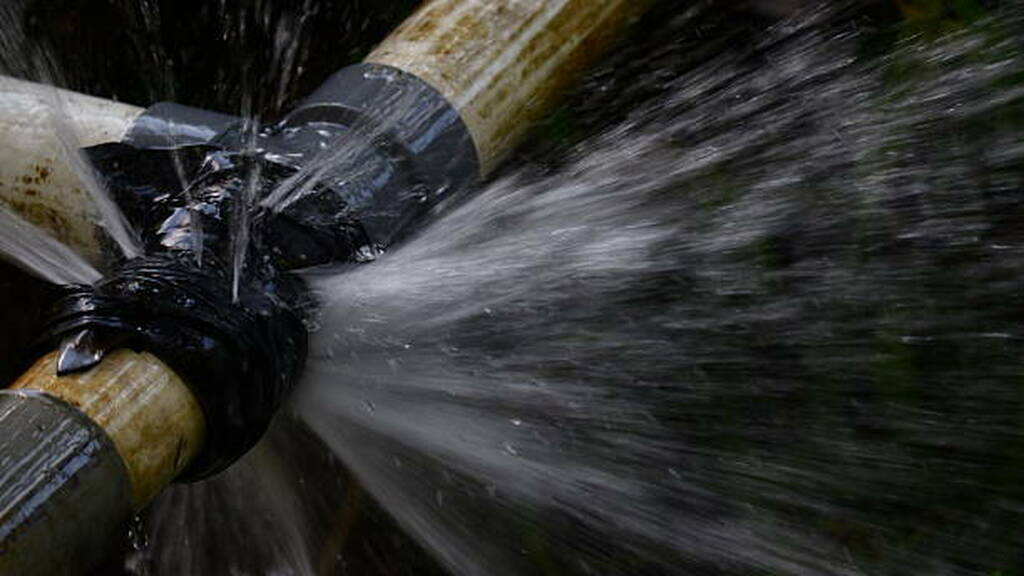
    A burst pipe is one of the most destructive plumbing emergencies. It can flood your property in minutes, damaging floors, walls, electrical systems, and furniture.

    Common causes include:

    • Corrosion in old metal pipes
    • Sudden temperature changes
    • Excessive water pressure
    • Poor-quality pipe installations

    Immediate actions to take:

    1. Turn off the main water supply
    2. Switch off electricity if water is near power points
    3. Open taps to drain remaining water
    4. Call an emergency plumber immediately

    Blocked Toilets

    A blocked toilet becomes an emergency when it starts to overflow or backs up sewage. This is not just unpleasant it is a serious health risk.

    Common causes:

    • Excessive toilet paper
    • Non-flushable items (wipes, sanitary products)
    • Tree root intrusion
    • Sewer line blockages

    If plunging does not resolve the issue, stop flushing and contact a professional.

    Blocked Drains and Sewer Backups

    Blocked drains are extremely common across Melbourne, especially after heavy rain. When water has nowhere to go, it can back up into sinks, showers, or even floor drains.

    Warning signs include:

    • Gurgling sounds
    • Slow-draining water
    • Bad odours
    • Water backing up in multiple fixtures

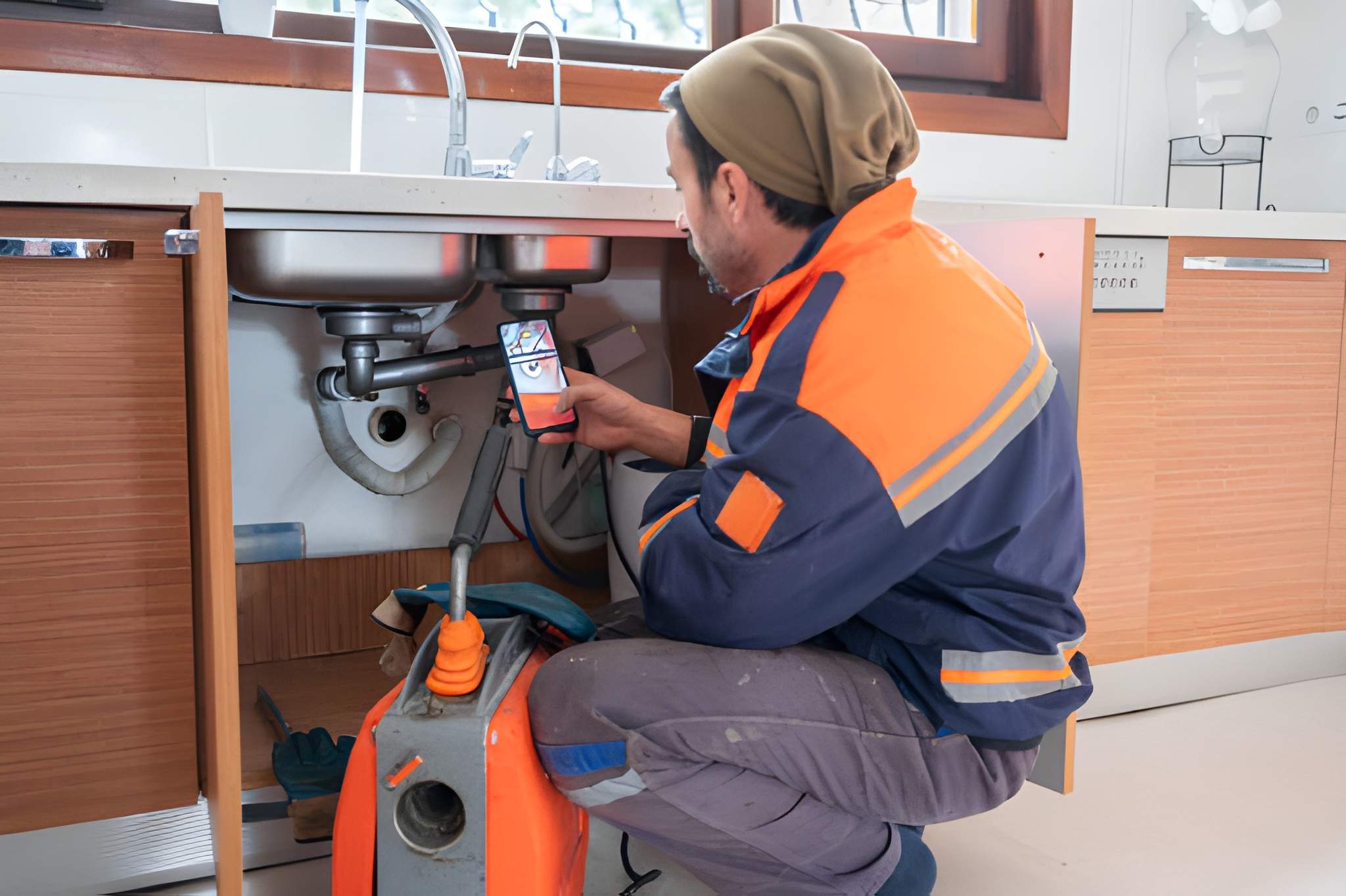
    Sewer backups require urgent attention and specialised equipment such as CCTV drain cameras and high-pressure water jetting.

    Gas Leaks

    Gas leaks are among the most dangerous plumbing emergencies. A qualified Gas Fitter should always handle these situations, as they pose a serious risk of explosion and carbon monoxide poisoning.

    Signs of a gas leak:

    • Smell of rotten eggs or sulphur
    • Hissing sounds near gas lines
    • Dizziness or nausea

    What to do immediately:

    • Turn off the gas supply if safe to do so
    • Open windows and doors
    • Do not use electrical switches
    • Leave the property and call a licensed gas plumber

    No Hot Water

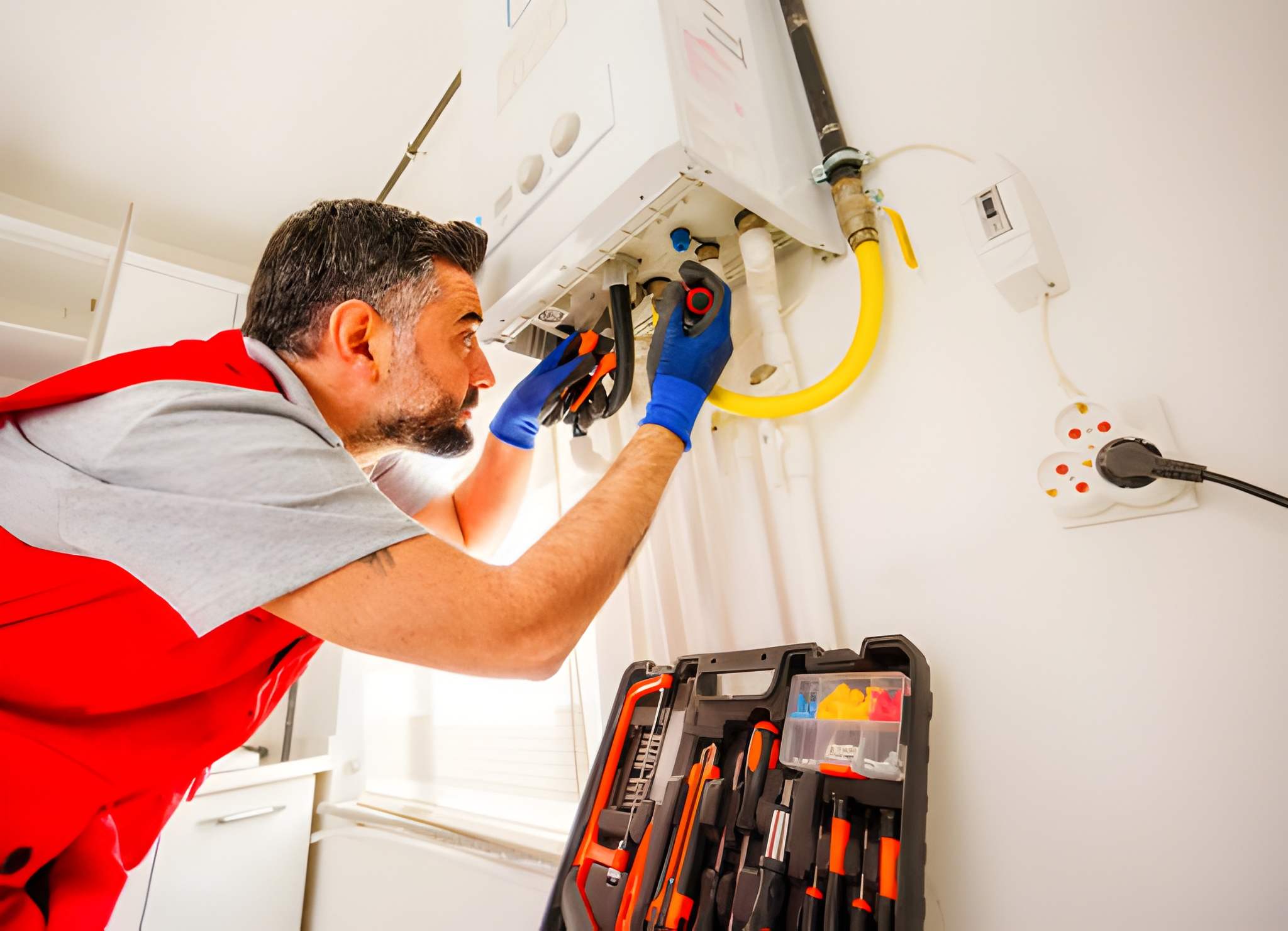
    A sudden loss of hot water from your Hot Water Systems may not always seem urgent, but it can be critical for families, businesses, and rental properties.

    Common causes:

    • Faulty hot water system
    • Gas supply issues
    • Electrical faults
    • Thermostat failure

    Emergency plumbers can diagnose whether the system needs repair or urgent replacement.

    Overflowing Stormwater Drains

    During heavy rain events in Melbourne, stormwater drains can overflow, causing flooding around homes and commercial properties.

    Blocked or damaged stormwater systems can undermine foundations and create long-term structural issues if not addressed quickly.

    What to Do Immediately During a Plumbing Emergency

    Knowing what to do in the first few minutes can significantly reduce damage.

    Step 1: Shut Off the Water

    Locate your main water shut-off valve before an emergency occurs. Turning it off quickly can prevent extensive flooding.

    Step 2: Shut Off Gas or Electricity if Necessary

    If the emergency involves gas or water near electrical systems, safety comes first.

    Step 3: Contain the Damage

    Use buckets, towels, or temporary barriers to limit water spread.

    Step 4: Call a Licensed Emergency Plumber

    Professional plumbers have the tools and experience to resolve emergencies safely and efficiently.

    If you are in Melbourne’s northern suburbs, contacting an experienced emergency plumber in Epping ensures fast response times and local knowledge.

    Why DIY Fixes Are Risky During Emergencies

    While online tutorials can be useful for minor maintenance, emergency plumbing situations are not the time for experimentation.

    DIY mistakes can:

    • Make the problem worse
    • Void insurance coverage
    • Cause hidden damage
    • Create safety hazards

    Licensed plumbers comply with Victorian plumbing regulations and provide compliant, insured work.

    How Emergency Plumbers Handle Urgent Situations

    Professional emergency plumbers follow a structured approach:

    1. Rapid assessment of the situation
    2. Isolation of the problem area
    3. Use of specialised tools such as leak detectors and CCTV cameras
    4. Immediate repairs to stop damage
    5. Long-term solutions to prevent recurrence

    This process ensures both short-term relief and lasting results.

    Costs of Emergency Plumbing in Melbourne

    Emergency plumbing services typically cost more than standard call-outs due to:

    • After-hours availability
    • Urgent response requirements
    • Specialised equipment

    Costs vary depending on the severity of the issue, time of day, and parts required. A reputable plumber will always explain pricing clearly before starting work.

    How to Choose the Right Emergency Plumber in Melbourne

    When selecting an emergency plumber, look for:

    • Victorian plumbing licence
    • 24/7 availability
    • Transparent pricing
    • Strong local reputation
    • Experience with similar emergencies

    Local professionals, such as an emergency plumber in Epping, often provide faster service and a better understanding of regional plumbing systems.

    Preventing Plumbing Emergencies Before They Happen

    Prevention is always better than emergency repairs.

    Regular Maintenance

    Schedule routine inspections for pipes, drains, and hot water systems.

    Avoid Flushing Non-Flushable Items

    Only toilet paper should go down the toilet.

    Monitor Water Pressure

    Excessive pressure can strain pipes and fittings.

    Address Small Issues Early

    Minor leaks and slow drains often indicate bigger problems ahead.

    Plumbing Emergencies for Landlords and Property Managers

    Landlords in Victoria have legal responsibilities to address urgent repairs promptly. Plumbing emergencies such as burst pipes, blocked toilets, or gas issues must be handled immediately.

    Having a reliable emergency plumber on call helps protect tenants and property investments.

    Commercial Plumbing Emergencies

    For businesses, plumbing emergencies can mean lost revenue, health code violations, and reputational damage.

    Restaurants, offices, retail stores, and industrial sites require fast, compliant repairs to minimise downtime.

    Insurance and Plumbing Emergencies

    Many insurance claims depend on how quickly action is taken. Delays or unlicensed repairs can jeopardise coverage.

    Always:

    • Document the damage
    • Keep invoices and reports
    • Use licensed professionals

    When to Call an Emergency Plumber vs a Standard Plumber

    Call an emergency plumber when:

    • Water or sewage is actively flowing where it shouldn’t
    • There is a gas smell or a suspected leak
    • Essential services are unavailable
    • Property damage is imminent

    For non-urgent issues, a standard appointment is usually sufficient.

    Stay Prepared for Plumbing Emergencies in Melbourne

    Plumbing emergencies are stressful, but being prepared makes all the difference. Knowing the warning signs, acting quickly, and relying on licensed professionals can save thousands in repairs and protect your home or business.

    Whether it’s a burst pipe at midnight or a blocked drain during a storm, having access to a trusted plumber in Epping or elsewhere in Melbourne ensures peace of mind when you need it most.

    Staying informed is your first line of defence, and now you’re well equipped to handle whatever your plumbing throws at you.

    Whether it’s a hidden leak, pressure problem, or urgent repair, early action makes all the difference. Call us at 0411 295 646 and schedule an inspection for your house. 
  • What is the Most Common Problem with a Hot Water Heater? A Comprehensive Guide for Australian Homeowners

    What is the Most Common Problem with a Hot Water Heater? A Comprehensive Guide for Australian Homeowners

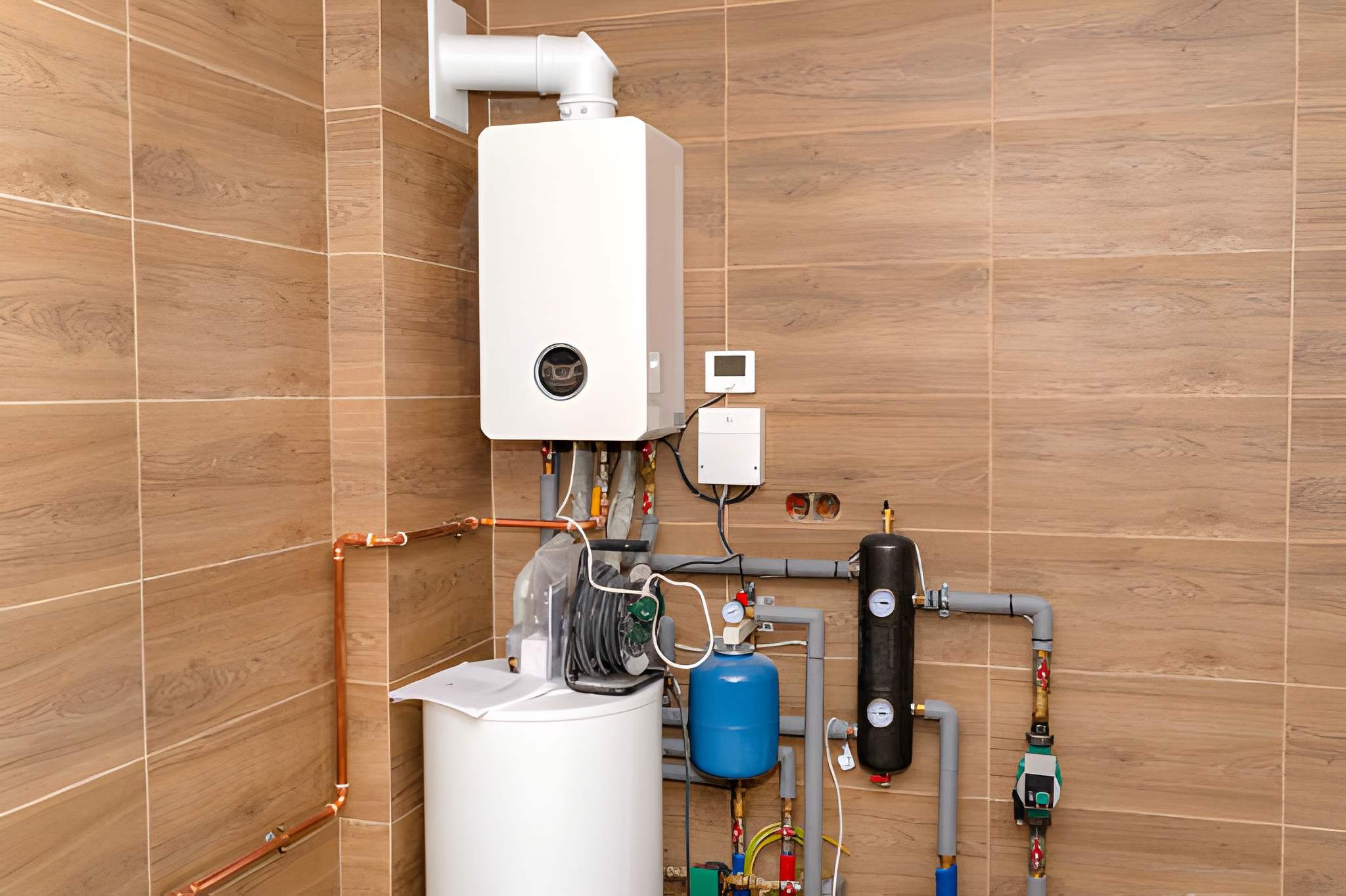
    If you’re an Australian homeowner, chances are you’ve experienced the frustration of stepping into the shower only to discover there’s no hot water. It’s one of those moments that can really ruin your morning routine! But have you ever wondered what the most common problem with a hot water heater is? Understanding the typical issues that plague these essential household systems is crucial for maintaining comfort and avoiding costly repairs down the track.

    This Hot Water Systems Guide for Australian Home examines the most common hot water problems in Australian households. From water that runs cold too quickly to temperatures that shift without warning or systems that stop working altogether, each issue has an underlying cause worth understanding. The sections ahead explain how these problems usually present, what tends to trigger them, and how to keep a hot water system working reliably for longer.

    Understanding Hot Water Heater Problems Symptoms

    When your Hot Water Systems Craigieburn start misbehaving, they typically send warning signals before complete failure. Recognising the symptoms of hot water heater problems early can save you thousands of dollars in repair or replacement costs.

    The most obvious symptom, of course, is a complete lack of hot water. When you turn on your tap and only cold water comes out, it’s time to investigate. This is not always the only sign. Some hot water heater issues creep in quietly. One day, the water just takes a little longer to warm up. Another time, the temperature refuses to settle, running hot for a moment and then slipping cold again, often when you least expect it.

    Strange noises emanating from your hot water system are another telltale sign something’s amiss. If you’re hearing popping, banging, or rumbling sounds, it’s often a sign that sediment has accumulated inside the tank. This sediment buildup is closely related to what is the most common problem with a hot water heater, which we’ll explore in greater detail below.

    Other hot water heater problems symptoms include leaks around the base of the unit, water pooling beneath the tank, or rusty discolouration on the exterior. You might also notice a foul smell coming from your taps or visible rust in the water itself. These signs all warrant immediate attention, as they can indicate serious deterioration of your hot water system.

    What is the Most Common Problem with a Hot Water Heater?

    After years of industry experience and customer reports across Australia, we can say with confidence that sediment buildup is the most common problem with a hot water heater. This issue affects both traditional tank-style systems and newer models, making it a universal concern for homeowners nationwide.

    Sediment accumulation occurs when minerals naturally present in your water supply, especially calcium and magnesium, sink and collect at the base of the hot water tank. As time passes, these mineral deposits build up, forming a thick layer of sediment that interferes with the heating process. This is why the most common problem with a hot water heater often goes unnoticed initially; the sediment accumulates gradually over months and years.

    Australian water supplies vary significantly depending on your location. Hard-water areas, particularly in regional parts of Queensland, South Australia, and New South Wales, experience faster sediment buildup than softer-water regions. This means your specific hot water issues may vary depending on where you live.

    The reason sediment buildup is the most common problem with a hot water heater relates to how these systems operate. The sediment creates an insulating barrier between the heating element and the water, making your system work harder to maintain temperature. This gradual buildup forces the system to work harder than it should, driving up energy use and placing added strain on internal components.

    Secondary Hot Water System Problems to Watch For

    While sediment buildup is what is the most common problem with a hot water heater, several other hot water system problems deserve your attention.

    Failed Heating Elements

    In electric hot water systems, the heating element heats your water. When this component fails, which usually happens after 8 to 12 years of use, you’ll suddenly have no hot water at all. This is one of the most frustrating hot water issues because it offers no warning period; one day your system works perfectly, the next it doesn’t function at all.

    Thermostat Malfunctions

    Your thermostat controls water temperature by signalling when heating should begin and stop. When it malfunctions, you might experience scalding hot water, lukewarm water, or inconsistent temperatures. These hot water system problems can be dangerous, particularly in households with young children or elderly residents.

    Anode Rod Deterioration

    The sacrificial anode rod in your tank corrodes rather than the tank walls, protecting your unit from rust. When this rod wears out, typically every 3 to 5 years, your tank becomes vulnerable to rust and corrosion. This directly leads to tank failure and is a significant contributor to the most common problem with a hot water heater.

    Pressure Relief Valve Issues

    This safety component releases excess pressure from your tank. When it fails, pressure builds dangerously inside your unit, potentially causing leaks or even explosions. Faulty pressure relief valves pose serious hot-water issues that require immediate professional attention.

    Hot Water Issues Specific to Australian Climates

    Australia’s diverse climate presents unique challenges for hot water system maintenance. In tropical regions like northern Australia, systems work harder year-round, accelerating wear and tear. In cooler southern states, systems must heat water to greater temperature differences, increasing energy consumption and component stress.

    Hard water is particularly problematic in dry inland areas. The mineral content of Australian bore water and regional supplies accelerates sediment formation, making the most common problem with a hot water heater even more prevalent in these regions.

    Temperature fluctuations in hot climates can also affect system performance. During scorching summers, your system may struggle to provide adequately heated water because the ground is already elevated in temperature. Conversely, winter months in southern regions demand maximum heating capacity, which can strain aging components.

    Common Hot Water Heater Problems and Their Symptoms

    Understanding specific hot water heater problem symptoms helps you diagnose issues quickly and communicate effectively with repair professionals.

    Extended Heat-Up Time: 

    If water takes significantly longer to reach your desired temperature, sediment buildup is likely restricting heat transfer. This hot water issue symptom develops gradually and might seem minor initially, but it indicates your system is working inefficiently.

    Fluctuating Temperatures: 

    When water temperature varies unpredictably, your thermostat may be failing. This creates frustrating hot-water issues where you’re constantly adjusting the taps to find the right temperature.

    Visual Sediment in Water: 

    Brown or cloudy water from your taps indicates sediment is breaking loose inside your tank. This is a clear warning that the most common problem with a hot water heater is progressing and needs to be addressed soon.

    Metallic Taste or Smell: 

    This suggests rust is developing inside your tank, indicating advanced deterioration. It’s one of the most concerning hot water system problems because it suggests structural compromise.

    Complete System Failure: 

    When your system produces no hot water at all, you’re dealing with a failed heating element, a failed thermostat, or a total tank failure. Depending on your system’s age and condition, this might indicate it’s time for replacement rather than repair.

    Preventing Hot Water System Problems

    Prevention is always better than a cure when dealing with hot water issues. Regular maintenance can significantly extend your system’s lifespan and help prevent many hot water heater problems.

    Annual Flushing: 

    Draining and flushing your tank annually removes accumulated sediment, directly addressing what is the most common problem with a hot water heater. This simple maintenance task can add years to your system’s life.

    Anode Rod Inspection: 

    Have a professional inspect your sacrificial anode rod every 2-3 years. Replacing it before complete deterioration prevents rust formation, which can lead to serious problems with the hot water system.

    Temperature Setting: 

    Keep your water temperature at 60°C (no higher). Excessive heat accelerates mineral precipitation, worsening sediment buildup and other issues with hot water.

    Professional Servicing: 

    Annual professional inspections catch hot water heater problems symptoms early, before they become expensive repairs.

    When to Call a Professional

    Certain situations require immediate professional attention. If you’ve noticed any of the hot water issues mentioned, especially leaks, strange noises, or no hot water at all, contact a licensed plumber right away.

    Hot water system problems involving pressure relief valves, failed heating elements, or suspected tank corrosion should never be handled by untrained individuals. These are safety issues that demand professional expertise.

    Conclusion

    Understanding the most common problem with a hot water heater, which is sediment buildup, puts you in a stronger position to maintain your system effectively. By recognising the symptoms of hot water heater problems early and performing regular maintenance, you can avoid costly repairs and keep your system running efficiently for years to come.

    Hot water issues are frustrating, but they’re rarely mysterious once you know what to look for. Whether you’re dealing with hot water system problems related to sediment, thermostat failure, or component wear, prompt action prevents minor issues from becoming major headaches.

    At Perspective Plumbing, we handle hot water issues before they turn into major disruptions, focusing on accurate diagnosis rather than short-term fixes. Our team consists of licensed plumbers with hands-on experience across all major hot water systems, ready to identify the real problem and resolve it properly. 

    From inconsistent temperatures to sudden shutdowns, we deal with the cause, not just the symptoms. After all, reliable hot water is essential for modern Australian living, and ensuring your system receives proper care is an investment in your home’s comfort and value.

    Speak directly with us on 0411 295 646 and get your hot water system back on track, without added stress.

  • Finding the Right Gas Fitter: Your Complete Australian Guide

    Finding the Right Gas Fitter: Your Complete Australian Guide

    When it comes to gas safety in your home, there’s no room for shortcuts. Whether you need a new installation, maintenance, or repairs, finding the right gas fitter is one of the most important decisions you’ll make as a homeowner. 

    In Australia, gas work is heavily regulated, and choosing a qualified professional is not just convenience. A qualified fitter protects your family and your investment and complies with legal requirements.

    If you’re searching for a reliable gas technician, wondering what qualifications matter, or trying to understand what a gas fitter actually does, you’ve come to the right place. 

    This comprehensive guide will walk you through everything you need to know about finding the right Gas Fitter Craigieburn, including how to identify qualified Gas Fitter, what services they offer, and why standards matter.

    What Does a Gas Fitter Do?

    Understanding what a gas fitter does is the first step toward finding the right one for your needs. A gas fitter, also known as a gas technician, is a licensed tradesperson who specialises in installing, maintaining, and repairing gas appliances and systems. But their responsibilities go far beyond simply connecting pipes.

    A qualified gas fitter handles a wide range of tasks, including installing gas cooktops, ovens, and hot water systems; repairing faulty appliances; conducting safety inspections; and ensuring all work complies with Australian standards. They’re trained to detect gas leaks, replace worn components, test pressure systems, and advise homeowners on safe gas usage. In many cases, when you hire a professional gas technician, you’re getting someone who understands the technical aspects, safety protocols, and regulatory requirements that keep your home safe.

    The scope of work a gas fitter performs varies depending on specialisation. Some focus on residential work, while others specialise in commercial or industrial gas systems. Regardless of their focus area, every legitimate gas fitter must hold appropriate licensing and qualifications.

    Why Choosing a Qualified Gas Fitter Matters

    Gas work isn’t something to leave in the hands of amateurs. In Australia, all gas work must be performed by licensed professionals, and there are good reasons for this requirement. A qualified gas fitter has undergone extensive training covering safety protocols, technical skills, and regulatory compliance. They understand the dangers associated with gas work and know how to mitigate risks effectively.

    When you hire a qualified gas fitter, you’re not just paying for their time; you’re investing in peace of mind. These professionals carry insurance, follow strict safety guidelines, and are accountable to regulatory bodies. If something goes wrong, you have recourse. Moreover, many insurance companies won’t cover damage or incidents resulting from work done by unlicensed tradespeople, leaving you financially exposed.

    The cost difference between hiring a qualified professional and attempting DIY solutions or hiring an unlicensed professional is minimal compared to the potential consequences of gas-related accidents. Safety should always be your priority.

    Understanding Gas Fitter Qualifications

    So what makes a gas fitter truly qualified? In Australia, gas fitters must complete a formal apprenticeship, typically lasting 4 years, during which they learn both theoretical knowledge and practical skills. After completing their apprenticeship, they receive a Certificate IV in Gas Fitting or a similar qualification, depending on their state or territory.

    Beyond the initial qualification, a qualified gas fitter must maintain their licence through continuing professional development. Different states have different requirements; for example, a gas fitter in Victoria must be registered with the appropriate regulatory body and maintain their qualifications to remain licensed.

    When hiring a gas technician, always ask to see their qualifications and current licensing. Most reputable professionals are proud to show their credentials and will provide evidence without hesitation. Look for registrations with state-based regulatory authorities and check that their insurance is current and comprehensive.

    Finding the Right Gas Fitter in Your Area

    Finding a trustworthy gas fitter requires a bit of research, but it’s worth the effort. Here’s how to go about it:

    Check Online Reviews and Ratings: Start by searching online for gas installers in your area. Look at Google reviews, industry directories, and local recommendation sites. Pay attention to what customers say about punctuality, professionalism, and the quality of work. Patterns in reviews often reveal important information about a tradesperson’s reliability and customer service.

    Ask for Recommendations: Talk to friends, family, and neighbours who’ve recently had gas work done. Personal recommendations are incredibly valuable and often lead to finding trustworthy professionals who have already proven themselves in your community.

    Verify Credentials: Always verify that your chosen gas fitter holds current, valid qualifications. Ask them directly and follow up by checking with relevant state regulatory bodies. This step is non-negotiable.

    Get Multiple Quotes: Contact several gas installers and request detailed quotes for your job. This allows you to compare pricing and service offerings. Be wary of quotes that seem unusually cheap; quality work typically costs appropriately.

    Check Insurance and Warranties: Confirm that the gas technician carries public liability insurance and any relevant professional indemnity insurance. Ask about warranties on their work and the appliances they install.

    Finding the Right Gas Fitter in Craigieburn

    If you’re specifically looking for a gas fitter in Craigieburn, the same principles apply, but there are some local considerations to keep in mind. Craigieburn has a growing population of homeowners who regularly need gas services, which means there’s typically a good selection of experienced professionals available.

    Start by searching for “gas fitter Craigieburn” or “gas technician Craigieburn” to find locally based tradespeople. Local professionals have the advantage of quick response times and familiarity with the area’s building standards and infrastructure. Many established gas installers in Craigieburn have built strong reputations and can provide references from previous local clients.

    When contacting a gas fitter in Craigieburn, ask how long they’ve been operating in the area and whether they’re familiar with the types of properties common in the region. Newer estates may have different gas infrastructure compared to older areas, and experienced local professionals understand these nuances.

    Common Gas Fitting Services

    Understanding what services a gas technician typically offers will help you identify what your home needs:

    Gas Appliance Installation: This includes installing cooktops, wall heaters, hot water systems, and other gas appliances. A qualified gas fitter ensures everything is properly connected, tested, and compliant with safety standards.

    Maintenance and Safety Inspections: Regular maintenance prevents problems before they become dangerous. Annual inspections by a qualified gas fitter can identify potential issues like corrosion, wear, or gas leaks.

    Repairs and Troubleshooting: When a gas appliance malfunctions, a skilled gas technician can diagnose the problem and perform necessary repairs quickly and safely.

    Gas Leak Detection: If you suspect a gas leak, contact a professional immediately. Gas fitters have specialised equipment to detect and locate leaks, then repair them safely.

    System Upgrades: If you’re upgrading your home’s gas system or replacing old appliances, a gas technician can advise on the best options and handle the installation.

    Red Flags When Choosing a Gas Fitter

    Knowing what to avoid is just as important as knowing what to look for. Here are some red flags:

    • Reluctance to Show Qualifications: Any gas technician who can’t or won’t provide evidence of current licensing should be avoided immediately.
    • Unusually Low Pricing: While everyone wants a good deal, suspiciously cheap quotes often indicate inexperience or corner-cutting that could compromise safety.
    • No Insurance: A professional gas fitter always carries appropriate insurance. If they don’t have it, walk away.
    • Poor Communication: If a gas technician is hard to reach, vague about pricing, or doesn’t explain the work they’ll perform, these are warning signs.
    • Lack of References: Established professionals are happy to provide references. If someone can’t or won’t, that’s a major red flag.

    The Cost of Hiring the Right Professional

    While hiring a qualified gas fitter involves an upfront cost, it’s an investment that pays dividends. The price typically depends on the complexity of the job, your location, and the specific services required. Getting multiple quotes helps establish a realistic price range for your particular needs.

    Remember not to choose based on price alone. The most expensive option isn’t necessarily the best, but the cheapest rarely is either. Look for value: a fair price, proven expertise, good customer service, and proper credentials.

    Conclusion

    Finding the right gas fitter is crucial for maintaining a safe, efficient gas system in your home. Whether you need a gas technician for routine maintenance, an installation, or emergency repairs, taking time to choose a qualified professional protects your family and your investment.

    Look for someone with proper qualifications, current licensing, positive references, and appropriate insurance. Don’t hesitate to ask questions, verify credentials, and get multiple quotes. If you’re in Craigieburn or another Australian location, prioritise local professionals with proven track records in your area.

    Gas safety isn’t an area to compromise on. By following this guide and committing to finding the right gas fitter, you’re taking an important step toward ensuring your home is safe and your gas systems operate efficiently for years to come. 

    Looking for a reliable gas fitter in Craigieburn? Perspective Plumbing is here to assist you with tailored solutions for your home. Call 0411 295 646 and book a house call today.

  • What Not to Pour Down the Drain: A Complete Guide to Protecting Your Plumbing

    What Not to Pour Down the Drain: A Complete Guide to Protecting Your Plumbing

    Your drain system is one of the most essential parts of your home, working quietly day in and day out to whisk away waste and keep your home hygienic. However, many Australian households unknowingly pour substances down their drains that cause serious damage, costly repairs, and environmental harm. Understanding what not to pour down the drain is crucial for maintaining your plumbing system and avoiding expensive emergency call-outs from your local plumber.

    This comprehensive guide lists out the substances you should never put down your drains, answering key questions like “why should you not pour boiling water down the drain?” and “why pour salt down the drain every night?” 

    We also discuss preventive measures and environmentally responsible disposal methods, and provide expert advice on what plumbers recommend to clean drains safely.

    The Hidden Dangers: Understanding Your Drainage System

    Before diving into the specifics of what not to pour down the drain, it’s important to understand how your plumbing system works. Your drains are designed to handle only water and human waste. When you pour inappropriate substances down the drain, you’re not just risking your own home’s plumbing; you’re potentially contributing to blockages, environmental damage, and community wastewater treatment issues.

    Australia’s water infrastructure is under increasing pressure, and every household plays a vital role in protecting our waterways. When you know what not to pour down the drain, you’re taking responsibility for your home and your community.

    The Top Substances You Should Never Pour Down the Drain

    1. Cooking Oil and Grease

    One of the most common culprits behind Blocked Drains Craigieburn homeowners experience is cooking oil and grease. Whether it’s leftover oil from frying bacon or the fat from roast chicken, pouring hot oil down the drain seems convenient in the moment, but it’s one of the biggest mistakes you can make.

    Why is this dangerous? As hot oil cools while travelling through your pipes, it solidifies and sticks to the interior walls. Over time, this builds up into thick, stubborn blockages that restrict water flow and often lead to blocked drains in Craigieburn that require professional intervention to clear.

    The better approach: Let oil cool until it’s solid, then wipe it out with a paper towel and bin it. For larger quantities, pour it into a container, allow it to harden, and dispose of it in your regular waste bin to help prevent blocked drains in Craigieburn homes.

    2. Coffee Grounds and Tea Leaves

    Many Australians think coffee grounds and tea leaves are harmless because they’re organic. However, these materials don’t dissolve in water and can accumulate in your pipes, creating blockages over time. They can also combine with fats and oils, forming stubborn clogs.

    The solution: Compost your coffee grounds and tea leaves instead. They’re excellent for improving soil quality and are welcomed in most council green waste programs across Australia.

    3. Medications and Supplements

    Pouring unused medications down the drain might seem like a safe disposal method, but it’s actually harmful to aquatic ecosystems. Pharmaceutical residues can pass through wastewater treatment systems and end up in our rivers and waterways, affecting fish and other wildlife.

    What to do instead: Take unwanted medications to your local pharmacy, where staff can dispose of them safely and responsibly. Most Australian pharmacies offer this service free of charge.

    4. Paint and Solvents

    Never, under any circumstances, pour paint, thinners, or chemical solvents down the drain. These substances are toxic and corrosive, and can damage your pipes while harming the environment.

    Proper disposal: Contact your local council for information about hazardous waste collection days. Many Australian councils offer regular drop-off facilities for household chemicals.

    5. Food Waste

    While small food particles might seem harmless, accumulated food waste can create blockages and encourage bacterial growth in your pipes. This can lead to foul odours and pest problems.

    Better practice: Scrape plates into the bin before washing. If you have a garbage disposal, use it sparingly and always run cold water while it’s operating.

    6. Hair

    Hair is notorious for creating stubborn blockages in bathroom drains. It doesn’t break down in water and easily tangles with other debris.

    Prevention tip: Install drain screens in your showers and bathroom sinks to catch hair before it enters the pipes.

    Addressing Common Drain Questions

    Why Should You Not Pour Boiling Water Down the Drain?

    This is a question we hear frequently from Australian homeowners who’ve been told it’s a “natural” drain cleaner. While occasional use of boiling water won’t necessarily destroy your pipes immediately, it’s not recommended for several reasons:

    The risks: Modern plumbing systems use PVC pipes and rubber seals that can be damaged by repeated exposure to boiling water. Extreme temperatures can warp pipes, loosen joints, and degrade rubber components. Additionally, if there’s already a blockage, boiling water can create steam pressure that forces the clog deeper into your system or cracks the pipes.

    Better alternatives: If you want to flush your drains with hot water, use hot tap water (not boiling). It’s effective enough for maintenance without the risks.

    Why Pour Salt Down the Drain Every Night?

    Some older cleaning advice suggests pouring salt down the drain, and you might wonder why. The idea stems from salt’s abrasive properties and its ability to kill some bacteria. However, this method has significant drawbacks.

    The problems: Salt doesn’t actually dissolve well in water and can accumulate in your pipes, contributing to blockages. It can also corrode metal pipes over time and isn’t particularly effective at preventing clogs or maintaining drains.

    The evidence: Modern plumbing maintenance doesn’t support this practice. Your plumbing system works best with minimal interference and regular water flow.

    What Do Plumbers Recommend to Clean Drains?

    This is the most important question for maintaining healthy plumbing. Professional plumbers across Australia consistently recommend the same approaches:

    Prevention first: The best drain care is preventing problems before they start. This means being mindful of what not to pour down the drain and maintaining regular flushing with hot water.

    Enzymatic drain cleaners: Many plumbers recommend enzyme-based drain cleaners that break down organic material naturally without harsh chemicals. These are safer for your pipes and the environment.

    Baking soda and vinegar: This natural combination (baking soda followed by vinegar) creates a fizzing action that can help break down minor blockages and neutralise odours. Pour half a cup of baking soda down the drain, then pour half a cup of white vinegar, and flush with hot water after 30 minutes.

    Professional drain cleaning: For serious blockages, plumbers use techniques like high-pressure water jetting or mechanical snaking, which are far more effective and safer than chemical drain cleaners.

    Avoid these: Most plumbers advise against harsh chemical drain cleaners, as they can damage pipes and are dangerous if misused.

    The Environmental Impact

    Understanding what not to pour down the drain more than just protects your home. It also protects Australia’s waterways. When you pour inappropriate substances down your drain, they eventually reach your local wastewater treatment plant. Some substances aren’t effectively removed by treatment processes and end up in our rivers, oceans, and groundwater.

    Every Australian household has a responsibility to help protect our natural environment. By being mindful of what not to pour down the drain, you’re helping keep waterways cleaner and ecosystems healthier.

    Creating a Drain-Safe Kitchen

    Your kitchen is the most likely place where drain problems start. Here’s how to maintain a healthy kitchen drain system:

    Install a strainer: Use a simple mesh strainer to catch food particles before they enter your drain.

    Wipe plates before washing: This prevents food waste from accumulating in your pipes.

    Use hot (not boiling) water: Flush your drain with hot tap water regularly to keep it clear.

    Never pour grease down: This is the golden rule for kitchen drains. Always dispose of oil and grease responsibly.

    Consider a compost system: If you’re serious about reducing waste, start composting food scraps. It’s better for your drains and beneficial for your garden.

    Bathroom Drain Maintenance

    Bathroom drains face different challenges than kitchen drains. Hair, soap residue, and personal care products are the main culprits.

    Use drain screens: Catch hair before it enters your pipes.

    Limit product use: Be mindful of how much shampoo, conditioner, and soap you’re washing down the drain.

    Monthly flushing: Once a month, pour hot water down your bathroom drains to flush away accumulated residue.

    Address soap scum: If you notice slow drainage, it might be soap buildup. Enzyme cleaners work well for this.

    Final Thoughts

    Your drainage system is hardworking but delicate. Treat it with respect by being mindful of what you put into it. Understanding what not to pour down the drain is fundamental to being a responsible homeowner. 

    By following these guidelines and knowing what plumbers recommend to clean drains, you can protect your plumbing system, save money on repairs, and contribute to environmental conservation.

    Need help with professional drain cleaning? Contact Perspective Plumbing day. 

    Call 0411 295 646 and schedule a home visit today

  • How Much Do Hot Water Systems Cost in Australia? (2026 Price Guide)

    How Much Do Hot Water Systems Cost in Australia? (2026 Price Guide)

    If your hot water system is starting to fail or you are building a new home, you have probably started wondering: how much does a new hot water system actually cost these days? The truth is, there’s no single answer. It really depends on the type, capacity, efficiency, and even your postcode.

    In this 2026 price guide, we explore the factors that affect hot water system prices, compare the costs of different types, and help you understand installation expenses, running costs, and long-term value so you can make an informed choice for your home.

    Why Understanding Hot Water System Costs Matters

    Hot water heating can account for roughly a quarter of your home’s total energy usage. That means your choice of Hot Water Systems Craigieburn directly affects your household bills. So when comparing hot water service prices, it is not just the initial outlay that matters—running costs over time can make a big difference.

    For instance, a budget-friendly electric system might look appealing upfront, but it could cost hundreds more to operate every year compared to a gas or solar option. Meanwhile, a higher-efficiency system might feel expensive initially, but it quickly pays off through energy savings.

    Things like how many people live in your home, fuel availability, and even your local climate all come into play. In short, understanding the price of hot water systems goes beyond numbers. It is about matching your lifestyle and energy goals.

    Typical Price Ranges by System Type

    Electric Storage Hot Water Systems

    Electric storage systems are simple, reliable, and relatively affordable. As of 2025, you can expect the price of hot water systems, including installation, for electric models to range between AUD $1,600 and $2,900.

    These systems are ideal for smaller homes and apartments without access to gas, as electricity costs are higher than gas, so running expenses can add up over time. For low-demand households or temporary setups, they remain a practical solution.

    Best for: small households, rental properties, or homes without a gas supply.

    Gas Hot Water Systems (Storage & Continuous-Flow)

    Gas systems usually hit that sweet spot between cost and efficiency. A standard gas storage unit might set you back anywhere from $1,500 to $3,800, while continuous-flow models—the ones that heat water on demand—can cost up to $4,800, depending on size and setup.

    Gas systems usually have lower running costs compared to electric models, provided your home already has a gas connection. If not, installing new gas lines or ventilation may increase the total price of hot water systems during setup.

    Best for: medium to large households with existing gas infrastructure.

    Heat Pump Hot Water Systems

    Heat pump systems are a smart, energy-efficient option that use the air around them to heat water. The average installed cost sits between AUD $3,500 to $5,000, depending on the system’s capacity and brand.

    They consume far less electricity than traditional electric systems, which can significantly lower ongoing bills. Although they have a higher upfront price, the savings over time often outweigh the difference.

    Best for: eco-conscious families or anyone planning long-term savings.

    Solar Hot Water Systems

    If you are curious about what the price of solar hot water systems is, expect to invest between AUD $4,000 and $10,000 for a complete installation.

    Solar systems use rooftop panels to harness sunlight, with a gas or electric booster for cloudy days. The price of solar hot water systems depends on factors like roof space, orientation, and plumbing complexity.

    While they come with the highest initial cost, they also offer the biggest long-term savings and environmental benefits.

    Best for: large households in sunny areas and homeowners planning to stay long-term.

    What Affects the Cost of a Hot Water System?

    A few key elements determine the price that hot water system buyers will face:

    System Size & Household Hot Water Usage

    Bigger households require larger tanks or higher-flow systems, which naturally cost more.

    Fuel Type & Technology

    Electric systems cost less to install but more to operate. Solar and heat pumps are pricier upfront but save significantly over time.

    Installation Complexity & Location

    Difficult installations, such as roof-mounted solar or tight spaces, add labour and time costs.

    Existing Infrastructure & Whether You’re Replacing or Switching

    Replacing an existing system with the same fuel type is cheaper than switching to gas or solar, which may require rewiring or pipework.

    Brand, Efficiency Rating & Warranty

    Premium brands with strong energy ratings often cost more but offer reliability and longer service life.

    Rebates and Incentives

    Government rebates for efficient systems can substantially reduce your effective cost, particularly for solar and heat pump systems.

    Installation Costs: What to Budget For

    Installation is a significant part of the total expense. Across Australia, typical costs range from AUD $1,000 to $7,000, depending on the system type and complexity.

    A quote usually includes:

    • Labour and delivery
    • Removal and disposal of the old unit
    • Basic plumbing or electrical work
    • System commissioning and testing

    Always request detailed quotes from licensed installers. Ask what is included and confirm that disposal, electrical upgrades, or new fittings are covered.

    Running Costs & Lifespan: What You’ll Pay Over Time

    Electric systems tend to be the most expensive to run, while solar and heat pump systems are the most efficient. On average, units last 10 to 15 years, though good maintenance can extend their lifespan.

    To get the full picture, calculate the total cost of ownership, including purchase, installation, running costs, and maintenance. A slightly more expensive, efficient system can easily save you thousands over its lifespan.

    Rebates, Incentives & Value for Money

    Many Australian households are eligible for state or federal rebates when installing energy-efficient systems. These programs are designed to make sustainable options more affordable, thereby reducing initial costs and shortening the payback period.

    Always check eligibility before purchasing and ensure your installer is accredited to handle the rebate process. When combined with lower running costs, rebates can make even high-end systems excellent long-term investments.

    How to Choose the Right Hot Water System for Your Home

    • Match system size to your household’s hot water usage
    • Check available energy sources.
    • Compare upfront vs lifetime costs.
    • Review energy ratings and warranty terms
    • Get multiple quotes from professionals
    • Consider future energy needs, such as solar panel upgrades

    Final Thoughts

    Choosing a new water heater means more than finding a good deal on the price of hot water systems advertised online. It’s a matter of balancing cost, performance, and long-term efficiency.

    The right system will not only deliver reliable hot water but also help manage your energy bills and provide peace of mind for years to come.

    If you are ready to upgrade or replace your system, talk to the experts at Perspective Plumbing. Our licensed team provides honest advice, transparent quotes, and reliable installations tailored to your needs.
    Call 0411 295 646 today for a consultation and discover the best hot water solution for your home.

    FAQs – Your Top Questions Answered

    How much does it cost to replace a hot water system in Australia?

    Replacing a hot water system in Australia typically costs between AUD $1,200 and $4,500, depending on the type and size of the unit. Swapping an old electric model for another electric one is usually the most affordable option. 

    What is the cheapest hot water system to run?

    Over the long term, heat pump and solar hot water systems tend to have the lowest running costs. Their upfront prices are higher, but because they use renewable or ambient energy, the ongoing bills are much lower. If you are looking for short-term affordability, electric systems are cheaper to buy, but they use more energy.

    How long does a hot water system last?

    Most hot water systems last around 10 to 15 years, though that depends on the type of system, your water quality, and how well it’s maintained. Solar and heat pump models can last even longer with regular servicing. Simple upkeep, such as flushing the tank, testing the relief valve, and getting periodic professional inspections, can make a big difference in lifespan.

    Are heat pumps and solar systems worth the extra cost?

    In most cases, yes. While solar and heat pump systems cost more upfront, they’re far more energy-efficient and often eligible for rebates. Over time, the savings on energy bills usually outweigh the initial investment. If you plan to stay in your home for at least five years, chances are you’ll see a solid return on that cost.

    Do I need to upgrade if I switch from electric to gas or vice versa?

    Usually, yes. Switching between electric and gas often means adding new gas lines, vents, or electrical wiring. These upgrades can increase installation costs, but once completed, they open the door to lower operating expenses and greater long-term efficiency.

  • No Water Coming Out of the Tap? Fix It Now!

    No Water Coming Out of the Tap? Fix It Now!

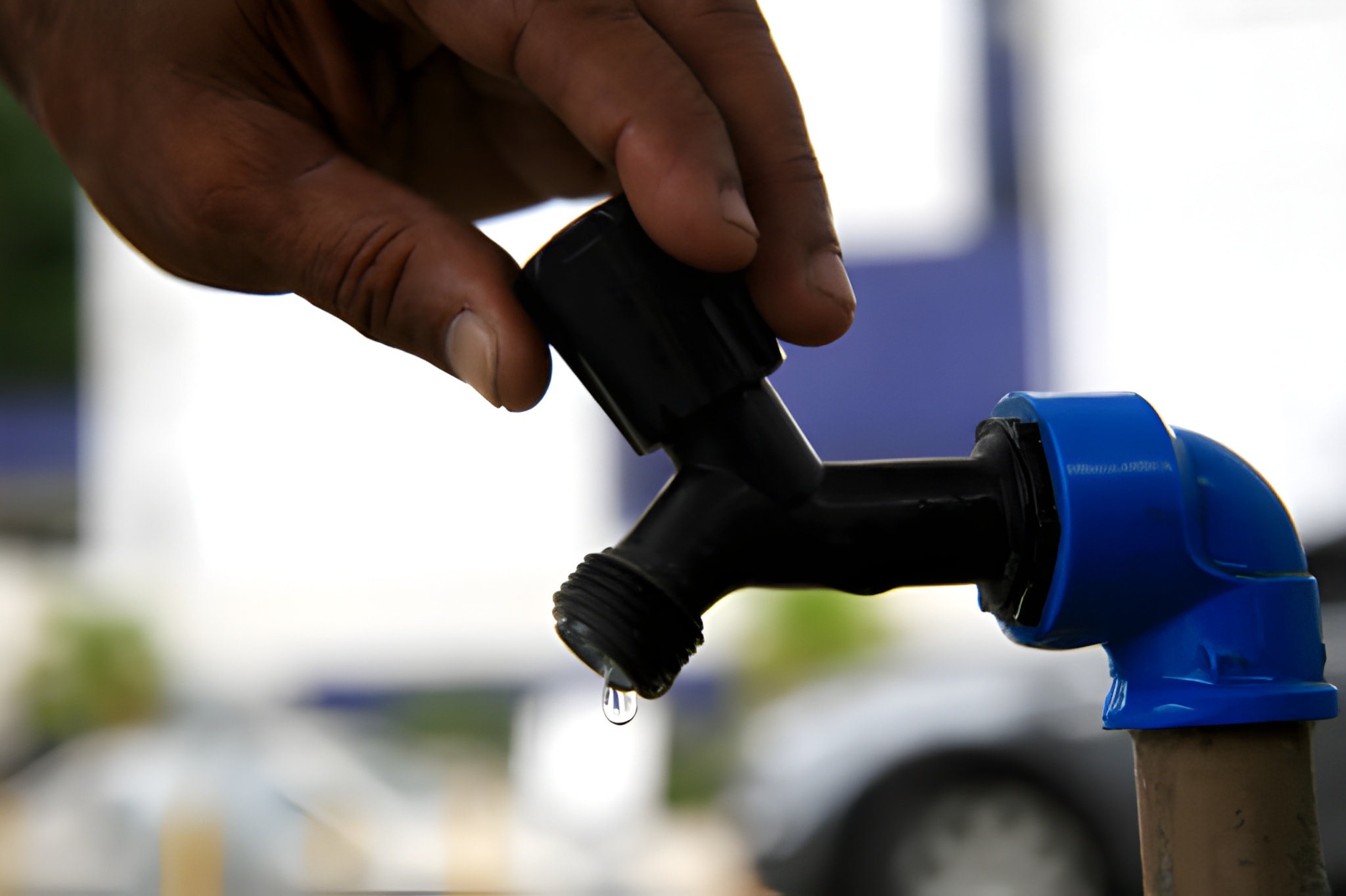
    You turn on the tap and wait for the rush of water. Nothing. No slight trickle. Not even one drop. Whether you’re getting ready for work or cooking dinner, suddenly having no water coming out of the tap can throw your day off balance.

    The cause could be minor, like a loose fitting, or more serious, such as a hidden leak or faulty main valve. Acting quickly can save you from bigger headaches down the line.

    Perspective Plumbing is the go-to local plumber when taps go dry. Our licensed team of professionals, including plumbers in South Morang and plumbers in Craigieburn, can quickly identify whether it’s a simple pressure issue or something deeper.

    This blog provides practical steps for troubleshooting when no water is coming from your taps.

    Check Other Taps

    Before you panic, check another tap. Is the problem limited to one spot, or do all your taps seem affected? Sometimes, a single faucet might just need maintenance, maybe mineral buildup or a loose washer.

    If it’s isolated, try fixing faucets by cleaning the aerator. Unscrew it, rinse any grit or rust, and reattach. If that restores flow, you’ve found your culprit. But if there’s still no water coming out, the issue could be deeper in your plumbing system.

    Check With Your Supplier and Neighbours

    Before tearing apart your sink, rule out the simplest cause: a water supply issue. Check with your local water supplier to see if there’s an outage or scheduled maintenance in your area. These interruptions are often temporary.

    It’s also worth asking your neighbours. If they’re facing the same problem, the issue likely isn’t inside your home. But if you’re the only one without water, calling our licensed plumber in South Morang should be your next step.

    Check Your Hot Water System

    Sometimes, the cold tap works fine, but the hot one doesn’t. In that case, your hot water system might be the problem. A faulty thermostat, a blocked filter, or an airlock can disrupt water flow.

    Before inspecting, make sure the power or gas supply is safely off. Next, check for visible leaks or signs of corrosion around the unit. Many times, fixing faucets connected to the system can restore pressure. But if there’s still no water, it’s safer to call a licensed plumber rather than poking around inside the system.

    Check Your Water Main

    If none of your taps are working, your main water valve might be the issue. It’s often located near the water meter, sometimes in the front yard, sometimes inside a cabinet.

    Turn the valve fully on (clockwise closes it, counter-clockwise opens it). A partially closed or jammed valve can restrict flow to your entire property. If you’re unsure or find the valve stiff,  our professional plumber in Craigieburn can inspect it safely and make sure it’s operating properly.

    Check for Leaks

    Leaks aren’t always obvious. A small split in a pipe can quietly drain water away before it reaches your taps. Look for damp patches on walls, ceilings, or under sinks. Sometimes, the real problem lies in a cracked line or faulty joint somewhere else. 

    If you suspect a hidden leak, avoid guesswork. Professional plumbers use drain camera inspection tools to pinpoint exactly where the water is escaping without tearing into walls. Our licensed professionals can find and fix the issue efficiently. 

    Check for Blockages

    Sediment, rust, or even debris from old pipes can cause partial or complete blockages. You might notice reduced pressure before the tap stops altogether.

    A drain camera inspection can reveal these blockages and show exactly what’s clogging the flow. Avoid using harsh chemicals, which can corrode pipes further. If cleaning the aerator or flushing doesn’t work, it’s time to call the experts. Our team can clear the obstructions and repair damaged faucets.

    Check for Rust

    Older homes often have steel or iron pipes that corrode over time. Rust flakes can lodge inside tap fittings and stop water completely.

    Try removing the tap head and cleaning out the inside. If you notice reddish-brown residue, that’s a clue. Sometimes, fixing faucets might only be a temporary resolution; replacing rusted sections of pipe may be necessary to restore proper flow.

    Check for Frozen Pipes

    This one’s seasonal but serious. During cold snaps, outdoor or poorly insulated pipes can freeze, blocking water altogether. If there’s no water coming out of the tap during winter mornings, frozen pipes are a likely suspect.

    Turn off your main valve and gently warm the pipe using a towel soaked in warm water or a hairdryer on low. Never use an open flame. Once thawed, run the tap to check for damage. If the pipe has cracked, call a professional immediately.

    Check for Damaged or Dislodged Tap Washer

    Inside every tap is a small but mighty part, the washer. When it loosens or wears out, it can block or restrict water.

    Turn off the main water supply. Remove the tap handle and inspect the washer. If it’s split, misshapen, or not sitting properly, replace it with a new one. These small steps often solve low-pressure problems or restore flow entirely. When in doubt, get help with fixing faucets from someone who handles them daily.

    Consider Your DIY Installations

    If you’ve recently installed a new tap or tried a bit of home plumbing, it might be worth revisiting your work. A misplaced washer, an overtightened fitting, or reversed lines can all interrupt water flow.

    DIY is satisfying, until it’s not. If you can’t spot what’s wrong, call a professional to check your setup and correct any installation errors. Sometimes, experienced eyes see what you’ve overlooked.

    Fix Leaking Taps

    Even if water is coming out now, a leaking tap wastes it and can hint at bigger internal problems. Start by turning off the supply and replacing the washer or O-ring. Tighten fittings gently, not forcefully.

    Persistent drips could signal valve seat damage or hidden corrosion, which requires professional repair. Perspective Plumbing can repair or replace damaged fittings and ensure everything’s sealed correctly. Fixing faucets properly not only restores function but also prevents future water loss.

    Conclusion

    When there’s no water coming out of tap, the solution might be as simple as cleaning a filter, or as complex as repairing underground pipes. Go through each step carefully before reaching for the toolbox. But if you’re unsure or can’t pinpoint the problem, don’t hesitate to get professional help.

    Whether you’re in South Morang, Craigieburn, or anywhere in Melbourne, Perspective Plumbing has helped countless households get their water running again safely and efficiently. 

    Call 0411 295 646 or get a quote online to book our service and get your water flow back to normal. 

  • How Much Do Plumbers Charge Per Hour? Complete 2025 Guide

    How Much Do Plumbers Charge Per Hour? Complete 2025 Guide

    A plumbing emergency, whether it’s a leaking tap or a mysterious gurgling sound in your walls, often hits when you least expect it. When you’re dealing with water damage or a blocked drain, the immediate concern is getting the problem fixed fast, which quickly leads to the practical question every homeowner has: How much do plumbers charge per hour? It’s a critical and fair question that, unfortunately, rarely has a simple, one-size-fits-all answer.

    Plumbing costs can vary widely across Victoria, and even between suburbs like Craigieburn and Epping, depending on who you call, what needs fixing, and when the job happens.

    This guide breaks down everything you need to know about plumbing rates, from hourly pricing and call-out fee for a plumber to what influences those costs and how to plan ahead before you book.

    What Determines a Plumber’s Hourly Rate?

    Plumbing isn’t one of those one-price-fits-all trades. Rates can shift based on several factors: the plumber’s qualifications, the type of job, when it’s needed, and even where you live. A quick repair in the morning can cost a lot less than an after-hours emergency call on a Sunday night.

    Let’s unpack what really shapes those rates.

    License, Insurance & Qualifications

    It might be tempting to hire the cheapest option you find online, but plumbing is not something you want to gamble with. A licensed and insured plumber ensures that all work meets Australian standards, which protects you if something goes wrong later.

    At Perspective Plumbing, every plumber in Craigieburn and Epping is fully qualified and insured, meaning the work is both compliant and covered. That peace of mind is part of what you’re paying for, even if it’s not always visible in the moment.

    Complexity & Scope of Work

    A blocked drain and a full hot water system replacement both fall under “plumbing,” but they sit at opposite ends of the complexity scale. Something like blocked drains might take an hour or two with standard tools, while a new hot water unit can stretch into half a day with multiple fittings and safety checks. Naturally, the more time and materials required, the higher the total.

    Time of Day / After-Hours / Emergency

    Plumbing rates can jump noticeably after business hours. If you’ve ever faced a burst pipe at 2 a.m., you’ll understand why an emergency plumbing call-out fee exists. It covers that urgent, drop-everything response.

    Weekend or public holiday jobs tend to attract premium rates too. While it’s never ideal timing, the upside is that the right plumber can prevent thousands in water damage with one quick visit.

    Location, Travel & Access

    Travel distance matters, especially in busy suburbs like Craigieburn and Epping, where traffic can quickly eat up time. Some plumbers factor in travel as part of their hourly rate, while others add a small surcharge if the property is outside their usual service zone or tricky to access (think apartment blocks or rural edges).

    Typical Hourly Rates for Plumbers

    In Victoria, most licensed plumbers charge between $90 and $160 per hour, depending on experience and job type. For urgent call-outs or after-hours work, rates can climb to $200–$250 per hour.

    For a local context, homeowners in Craigieburn and Epping can expect to sit somewhere in the middle of that range. Standard weekday repairs, such as tap fixes or drain unblocking, typically cost around $120 an hour.

    Understanding the Call Out Fee for a Plumber

    Many people are surprised to see a call-out fee for a plumber listed on quotes. It’s not an extra charge for nothing. It covers the time and travel involved just to get to your door, assess the issue, and prepare for repair. Sometimes you’ll also see this referred to as a plumber call-out charge.

    What’s Included in a Call Out Fee?

    Usually, it includes the plumber’s travel time, inspection of the issue, and a basic level of diagnostic work. It doesn’t always cover the full repair, unless it’s a very quick job.

    When a Call Out Fee is Waived or Reduced

    Many plumbers, Perspective Plumbing included, may waive or reduce the plumber call-out charge if you go ahead with a full job or book additional services. It’s a small but welcome gesture that helps keep overall costs reasonable.

    Examples for Plumber Call Out Fee

    Let’s say a homeowner in Epping calls about a leaking toilet. The call-out fee is approximately $80, covering travel and assessment. If the plumber goes ahead and replaces a faulty valve, that charge is often rolled into the total. 

    Meanwhile, a plumber in Craigieburn handling a similar job could charge roughly the same, with the full cost averaging $150–$200 depending on labour time.

    Charges for Specific Plumbing Services

    Here’s a breakdown of costs for some common plumbing issues. But remember, these are estimated prices and can vary based on location and the service. 

    Blocked Drains / Drain Cleaning

    Clearing blocked drains can cost anywhere from $100 to $300 for standard blockages, depending on access and severity. High-pressure jet cleaning or camera inspections may add more. It’s one of the most frequent jobs plumbers handle, especially after heavy rain or when tree roots find their way into old pipes.

    Leak Detection, Tap & Toilet Repairs

    Smaller fixes, such as tap leaks or toilet flush issues, typically cost between $120 and $180, depending on whether parts need to be replaced. These are the kinds of jobs where a quick response can prevent bigger problems later.

    Hot Water Systems & Gas Fitting

    Replacing or repairing a hot water unit is more complex. Expect hourly rates to be at the higher end, typically ranging from $150 to $200, plus parts. Gas fitting work sits in a similar range, as it requires additional qualifications and safety certification.

    Emergency Plumbing Call Out Fee – What to Expect

    An emergency plumbing call-out fee is designed for those moments you just can’t delay, such as burst pipes, flooding, or gas leaks.

    When is Emergency Service Needed?

    If water’s pouring out somewhere it shouldn’t be, or your gas system smells unusual, it’s not worth waiting. Immediate service can prevent severe damage or safety hazards.

    How Much Extra Is Charged for Emergency Call Out?

    For most Victorian suburbs, you can expect emergency rates to be about 1.5 to 2 times higher than standard rates. In Craigieburn or Epping, that might mean a total of $200–$300 for the first hour, depending on the severity and time of night.

    Tips to Save Costs & Avoid Surprises

    A few small habits can help you keep plumbing costs down:

    • Combine multiple repairs in one visit.
    • Schedule non-urgent jobs during regular business hours.
    • Ask for written quotes before the work starts.
    • Regularly maintain your system by cleaning drains and checking seals to prevent small issues from becoming emergencies.

    Why Choose Perspective Plumbing

    Perspective Plumbing is your local, reliable plumber in Craigieburn and Epping, backed by full licensing, insurance, and genuine community trust. Whether it’s everyday maintenance or an urgent 24-hour call-out, we focus on clear communication, quality workmanship, and transparent pricing.

    How to Request a Quote 

    Getting a quote is easy and no-fuss. Simply call us at 0411 295 646 or book a service through our website. Provide necessary details such as your location, the nature of the problem, when it started, and any previous plumbing work done. 

    Perspective Plumbing provides upfront pricing, so you’ll know exactly what to expect before anyone picks up a wrench. 

    Conclusion

    Understanding how much do plumbers charge per hour helps you make informed decisions and avoid surprises. From blocked drains to full installations, costs depend on time, complexity, and urgency. 

    Looking for a reliable local plumber you can actually reach when it matters? Contact Perspective Plumbing today for fast, friendly service across Craigieburn, Epping, and nearby areas. Whether it’s a routine fix or an emergency call-out, we’re available 24/7.

    Call 0411 295 646 and book a service today. 

    FAQs

    Do plumbers charge per hour or per job?

    It depends. Smaller tasks are often hourly, while larger projects may have a fixed quote.

    Is the call-out fee refundable?

    Sometimes, especially if you proceed with the full repair through the same plumber.

    Do I pay more on weekends?

    Yes, most plumbers apply higher weekend or after-hours rates.

    What if extra faults are found?

    Your plumber should discuss options before continuing so you stay in control of the final cost.

  • 7 Ways to Handle a Burst Pipe

    7 Ways to Handle a Burst Pipe

    A burst pipe can cause a lot of stress. You find water pooling across the floor, soaking carpets, and threatening furniture. Sometimes, there are warning signs, but more often than not, a burst water pipe can happen without warning, and when it does, time becomes your biggest enemy. The longer you wait, the more the damage spreads.

    That’s why quick action matters. Prompt pipe burst repair can save you from serious water damage, mould growth, and expensive structural repairs later. Whether you live in Doreen, Mernda, or anywhere across Victoria, knowing what to do in those first few minutes can make all the difference.

    At Perspective Plumbing, we understand how stressful a plumbing emergency can be. Our emergency response team, including plumbers in Doreen and plumbers in Mernda., is always ready to help, day or night.

    This blog guides you through seven practical steps to handle a burst pipe, from early detection to preventing future leaks.

    How to Spot a Burst Water Pipe Before It Causes Major Damage

    A burst water pipe doesn’t always start with flooding. Sometimes, it begins quietly, with a damp patch on the wall, a faint hissing noise, or a sudden drop in water pressure. You might even notice your water bill climbing without any real explanation.

    Other signs include water pooling near skirting boards, ceiling stains, or paint starting to bubble. Strange gurgling sounds when you turn on a tap can also hint at trouble inside the pipes.

    Catching these early signs matters more than most people realise. The sooner you detect a damaged pipe, the less expensive the repair will be. A quick fix now could save you from major reconstruction work later. If you suspect hidden issues, it’s smart to arrange a drain inspection to check for cracks, blockages, or corrosion that could cause future bursts.

    Stop the Water Flow: Immediate Action for a Burst Pipe

    Once you confirm a burst pipe, act immediately. The first step is to shut off your main water supply. In most homes in Victoria, the valve sits near the water meter, usually outside near the garden or front boundary. Turn it clockwise until the water stops running completely.

    This simple move can prevent hundreds of litres of water from flooding your home. After shutting off the supply, turn on your cold taps to drain any remaining water in the pipes. It reduces internal pressure and limits further leaking.

    If you can’t locate the valve or it won’t budge, don’t panic. Call for help straight away. A pipe burst repair specialist can guide you over the phone until they arrive.

    Prevent Further Damage After a Burst Water Pipe

    With the water supply stopped, focus on protecting your space. Move furniture, electronics, and valuables out of the affected area. Use towels, buckets, or waterproof covers to keep water from spreading to other rooms.

    In older homes with timber floors, it’s especially important to act quickly since wood absorbs water fast and can warp or swell. Be cautious around power points too. If there’s any chance water has reached wiring, turn off your power at the switchboard and wait for professional advice. A burst water pipe can cause more than surface damage, and safety should always come first.

    Expert Pipe Burst Repair by Local Victoria Plumbers

    Once the immediate situation is under control, call a licensed plumber. A professional will assess the cause, carry out a proper pipe burst repair, and check for any deeper issues.

    DIY attempts often lead to short-term fixes that fail within days. Plumbing systems are more complex than they look, and temporary patches rarely hold up under pressure.

    That’s where Perspective Plumbing comes in. Our team, including plumbers in Doreen and plumbers in Mernda, handles emergency burst pipe repairs across Victoria. Using advanced leak detection tools and high-quality materials, we provide damaged pipe repairs designed to prevent the same problem from happening again.

    Temporary Solutions to Limit Damage from a Burst Pipe

    While you wait for your plumber, there are a few short-term tricks to reduce the mess. If the leak is small, wrap the damaged section tightly with a piece of rubber, such as from an old garden hose, and secure it with tape or a clamp.

    You can also apply epoxy putty as a quick seal over visible cracks. Just remember, these are only temporary fixes. They’ll slow the leak from a burst water pipe, but they won’t solve the underlying problem. Proper damaged pipe repair must be done by a licensed professional.

    If water is still dripping, keep using buckets or towels to catch it. Even small efforts help limit the overall damage.

    Prevent Future Problems with a Full Drain and Pipe Inspection

    After a burst pipe emergency, it’s important not to assume everything else in your plumbing is fine. Once repairs are complete, arrange a drain inspection to check the full system for corrosion, blockages, or weak joints that might cause another failure later.

    At Perspective Plumbing, we recommend a full inspection after any major plumbing incident. It’s a smart investment that protects your home long term. Many homeowners schedule annual inspections, especially in older homes where pipes are more prone to wear.

    These checks can also improve your water efficiency and help spot small leaks early. It’s one of the easiest ways to prevent another burst water pipe in the future.

    How to Avoid Burst Pipes in Your Victorian Home

    Prevention is the easiest way to protect your property. In Victoria, sudden cold snaps can cause exposed pipes to freeze, expand, and burst. Insulate outdoor or unprotected pipes before winter to avoid this risk.

    Schedule routine maintenance at least once a year. Keep an eye out for signs of corrosion, leaks, or fluctuating water pressure. Even a dripping tap might point to a pressure problem deeper in your system.

    And if you’re ever unsure, don’t guess. A quick inspection or repair is always cheaper than a full-scale pipe burst repair or damaged pipe repair later on.

    Conclusion

    A burst pipe can disrupt your day completely, but with the right steps, you can keep the damage under control. Shut off the water, protect your belongings, and call a professional plumber as soon as possible. Once repairs are complete, a drain inspection will make sure your system is sound and less likely to fail again.

    If you’re in Doreen, Mernda, or anywhere in Victoria, Perspective Plumbing is here to help. Our experienced team provides fast, reliable burst pipe repair whenever you need it.

    Don’t let a small leak become a disaster. Call 0411 295 646 to book your emergency burst pipe repair and keep your home safe from unexpected water damage.

  • Expert Gas Fitting Services in Doreen: Ensuring Safety and Compliance

    Expert Gas Fitting Services in Doreen: Ensuring Safety and Compliance

    When it comes to ensuring the safety of your home, few things are more important than proper gas fitting. Whether you’re installing a new gas appliance, repairing an existing one, or upgrading your system, having the right professional do the job is crucial. Gas fitting in Doreen and across Victoria must be carried out by licensed gas fitters who can adhere to strict safety standards and regulations. 

    In this blog, we will explore the risks of a gas fitting gone wrong and why it’s vital to choose licensed professionals for doing residential gas services.

    What is Gas Fitting?

    In simple terms, gas fitting refers to the installation, maintenance, and repair of gas appliances and systems within your home or business. This includes everything from gas cooktops and heaters to water systems and gas lines that connect these appliances to the main supply. Gas fitters also ensure that everything is correctly sealed and vented to prevent dangerous leaks or malfunctions.

    It’s easy to overlook the complexity of this work. We often take our gas appliances for granted, but there’s a lot of careful planning and technical expertise involved. A licensed gas fitter is trained to assess your home’s specific requirements and install or repair systems safely and efficiently, with a deep understanding of how everything fits together.

    Regulatory Standards in Victoria

    In Victoria, gas fitting is not something that can be done by anyone. There are clear and strict regulations governing the industry, set out by the Victorian Building Authority (VBA) and WorkSafe Victoria. These regulations ensure that any work carried out is of a high standard and, most importantly, safe for the residents.

    The key standard is that all gas fitting work must be performed by a licensed gas fitter. In fact, it’s illegal for anyone without a proper licence to carry out any kind of gas installation, modification, or repair work. These regulations are in place to protect the homeowner and everyone in the community. Gas leaks, faulty installations, and improperly vented appliances can lead to explosions, poisoning, or fires. Therefore, compliance with these standards is non-negotiable.

    The licensing system ensures that only qualified professionals who understand the complexities and safety concerns associated with gas work are authorised to carry out these jobs. When you hire someone for a gas fitting in Doreen, you choose someone who has undergone the required training and obtained the necessary certification to ensure their work complies with all safety guidelines.

    Risks of Improper Gas Fitting

    It’s tempting to think that, as long as the appliances work, everything is fine. However, the risks of poor gas fitting are serious and potentially deadly.

    1. Gas Leaks

    A poorly installed gas line or appliance could lead to a slow leak. This can be difficult to detect at first, but it is extremely dangerous. Gas leaks can lead to explosions or carbon monoxide poisoning. Both are incredibly hazardous to human health, with carbon monoxide being especially insidious as it is colourless and odourless, meaning it can accumulate without anyone noticing until it’s too late.

     2. Fire Hazards

    Any malfunction or improper connection in a gas system increases the risk of a fire breaking out. Whether it’s an overheating appliance, faulty installation, or an improper venting system, the potential for a blaze is real and should never be underestimated.

    3. Appliance Failure

    A non-professional may not be familiar with the correct specifications for your appliances, which can lead to inefficiencies or even outright failure. Gas appliances that aren’t properly fitted or maintained may not work as efficiently, leading to increased energy costs. Worse still, they could fail when you need them most, like on a chilly winter evening.

    4. Non-Compliance

    If your gas fitting doesn’t meet Victoria’s strict regulatory standards, you could face fines or even the need to redo the entire installation. This can be costly and time-consuming. In some cases, faulty work may even void insurance claims, leaving you financially exposed.

    Why Choose a Qualified Gas Fitter in Doreen

    Professional Expertise

    A licensed gas fitter is highly trained in the nuances of gas systems. They know exactly how to install, maintain, and repair your appliances in line with Victoria’s regulations. Their training allows them to identify potential hazards and rectify them before they become serious issues.

    Peace of Mind

    Having a licensed professional handle your gas fitting provides reassurance that the job is being done safely and correctly. If you’re concerned about the risks associated with gas leaks, fires, or appliance malfunctions, you can rest easy knowing the work will be up to code. Furthermore, licensed gas fitters are insured, which adds another layer of protection should anything go wrong.

    Safety First

    Gas is a powerful but dangerous substance. It’s absolutely essential that your home’s gas appliances and lines are installed and maintained safely. A qualified gas fitter will follow all safety protocols to ensure everything is securely connected and fully operational.

    Efficient Work

    A professional gas fitter will get the job done right the first time, efficiently and with minimal disruption. If you hire someone without the necessary skills or experience, it might take longer to complete, and there’s a higher chance of errors that could cost you more down the line.

    Long-Term Savings

    While it may seem like a good idea to opt for a cheaper, unlicensed option, it can be more costly in the long run. Poor workmanship can lead to expensive repairs, damage to your appliances, or even necessitate a complete system overhaul. By investing in a licensed gas fitter from the start, you’ll avoid these unnecessary costs.

    By choosing Perspective Plumbing for your residential gas services, you’re opting for licensed and effective gas fitting, which ensures your safety and gives you peace of mind. 

    Conclusion

    Gas fitting might seem like a simple task, but the risks associated with improper installations or repairs are too high to overlook. Choosing a licensed professional for gas fitting in Doreen ensures the safety and comfort of your home.  By hiring someone who is experienced, trained, and compliant with Victoria’s safety standards, you’re protecting both your home and your family.

    Call us at 0411 295 646 for any gas fitting needs and prioritise safety, efficiency, and compliance.

  • Ultimate Guide: 7 Proven Methods To Unclog A Toilet Fast Without A Plunger

    Ultimate Guide: 7 Proven Methods To Unclog A Toilet Fast Without A Plunger

    Encountering a clogged toilet can be frustrating. While a plunger is a common first attempt to fix a clogged toilet, it may not always be successful. Fortunately, several alternative methods can effectively unclog your toilet without relying solely on a plunger.

    This guide explores seven proven techniques for restoring proper drainage to your toilet, utilising readily available household items.

    1. Hot Water And Dish Soap

    This classic combo of hot water and dish soap works wonders when clearing toilet blockages. 

    • Start by pouring a generous amount of liquid dish soap into a bowl. Here, this soap will help you lubricate the pipes and break down any grease causing the clog. 
    • After you let the soap sit for a few minutes, carefully pour a bucket of hot water (ensure that the water is not boiling) into the bowl. 
    • Pour the water from waist height, which will help you apply optimal pressure to get rid of the residues. This combined force of water and lubrication from the soap can help dislodge the clog and get your pipes flowing again. 

    This method is not only simple and cost-effective but also easy on your plumbing system. Plus, it is a handy trick that works great with just two effective items, so there is no need for harsh chemicals or special tools when fixing a clogged toilet. For more on optimising your plumbing system, you might find our comparison of gas and electric hot water systems helpful.

    2. Baking Soda And Vinegar

    When it comes to tackling clogged toilets, baking soda and vinegar form a powerful one-two punch.

    • Begin by pouring one cup of baking soda directly into the toilet bowl, followed by one to two cups of vinegar.
    • Here, baking soda is a basic ingredient, while vinegar is acidic in nature. When they combine, they give a rapid chemical reaction that can be seen as fizzing or bubbling.

    The forceful expansion that takes place during this reaction can help you break down the clogs effectively. Additionally, vinegar’s acidic properties can help dissolve soap scum, grease, and other materials that may be contributing to the blockage.

    If you are searching for a natural and effective solution to a clogged toilet, this method can prove helpful. Say goodbye to toxic blocked toilet cleaners and hello to natural alternatives.

    3. Epsom Salt And Hot Water

    The Epsom salt and hot water combination is another fizzy alternative for dealing with a clogged toilet. 

    • Start by pouring about a cup of Epsom salt into the toilet bowl. The salt’s coarse texture can help to break up the clog, while its chemical properties aid in dissolving any buildup. 
    • For a better effect, let the Epsom salt sit for some time, and then pour a bucket of hot water (not boiling) into the toilet bowl. 
    • This hot water, along with the abrasive reaction from the Epson salt, helps to increase the temperature within the clog, which then melts and dislodges it. 

    This method is the best one if you are searching for a practical yet gentle solution for toilet clogs.

    4. Toilet Brush Cleaning

    If you are searching for a straightforward and time-saving method to unclog the toilets, a simple toilet brush can prove to be helpful. 

    • Start by scrubbing the interior of the toilet bowl vigorously, especially focusing on the area around the drain hole. The bristles of the brush can help you break the clogs and create movement in the water, which can assist in loosening the toilet drain blockage. 
    • After you are done scrubbing, try flushing the toilet to see if the water drains freely. If it does not flow the way it should, you can try scrubbing a few more times. The agitation created in the continuous scrubbing process helps remove the clog effectively. 

    Remember to wear gloves for protection and disinfect the brush thoroughly after use to prevent the spread of germs. For other straightforward and practical plumbing fixes, such as repairing a leaking showerhead, check out our step-by-step guide to repairing your showerhead.

    5. Plastic Bottle Hack

    The plastic bottle hack is a smart and unconventional method for unclogging a toilet. 

    • First, choose a large, empty plastic bottle and remove the bottom for a smooth opening. 
    • With the toilet bowl at an appropriate water level, plunge the bottle straight down into the drain opening, creating a tight seal. 
    • Rapidly squeeze the plastic bottle to forcefully compress the air and water within, pressurising the clog and aiming to dislodge it with the force of the expelled air. 
    • Repeat this process with a few forceful squeezes and then observe the water level. If the clog breaks up, the water will recede. Continue with this plastic bottle hack until you see the toilet flushing freely. 

    This method transforms a readily available household item into a makeshift plunger.

    6. Wet And Dry Vacuum

    Another effective tool to unclog a toilet is a wet and dry vacuum. 

    • First, set the vacuum to the wet setting to ensure it can handle water. 
    • Place the hose end securely into the toilet bowl, creating a tight seal around the drain hole to maximise suction. You might need to wrap an old towel around the hose to achieve a better seal. 
    • Further, turn the vacuum on and let it run for a few minutes to clear the clog. Keep an eye on the water level and your ears on the sound of the vacuum. 
    • Continue suctioning until the clog is cleared and the toilet flushes normally.

    7. Wire Coat Hanger

    If you want to reach and clear deeper clogs, a wire coat hanger can help. 

    • Start by straightening the hanger and creating a hook at the end. While you bend it, be careful to avoid sharp edges. 
    • After this, you simply need to put the hooked end into the drain opening and gently maneuver the hook to pull out the clog. If you feel resistance, be cautious and don’t force the hanger, as it could damage the pipes
    • Once you’ve removed the clog or feel it loosen, slowly remove the hanger and dispose of it hygienically.

    Conclusion:

    Armed with these 7 effective methods, you’ll be ready to tackle a clogged toilet without needing a plunger.  Keep in mind that for best results, some methods require careful application.

    For even faster solutions or if you suspect a bigger issue, our professional plumbers are just a call away. They know how to unblock a toilet and can guide you on ways to prevent it.  Don’t hesitate to reach out at 0411 295 646 if you need a helping hand!