Plumbing is an essential aspect of maintaining the safety, hygiene, and comfort of homes and businesses. In Victoria, plumbing regulations are strict to ensure the safety of water supplies, sanitation systems, and gas installations. Homeowners and business operators in Craigieburn and the greater Melbourne area must understand these regulations to avoid legal issues, safety hazards, and unnecessary costs.
This comprehensive guide provides an in-depth look at plumbing regulations in Victoria.
Why Plumbing Regulations Are Important
Plumbing regulations protect public health, property, and the environment. Poorly executed plumbing can result in:
- Contaminated water supplies
- Water damage to homes and businesses
- Structural damage due to leaks or burst pipes
- Exposure to hazardous gases such as carbon monoxide
- Legal penalties and fines
By complying with regulations, you ensure that your plumbing system is safe, efficient, and reliable. Licensed plumbers are trained to meet all regulatory requirements and provide safe and professional installations.
Licensing Requirements for Plumbers in Victoria
In Victoria, plumbing work can only be performed by licensed professionals. There are several types of licences, each covering different aspects of plumbing.
1. Plumbing Practitioner Licence
A general plumbing licence allows the holder to carry out most types of plumbing work, including water supply, sanitary, and drainage systems. This ensures that plumbing work meets Australian standards and local laws.
2. Gasfitting Licence
Gasfitting requires a separate licence due to the inherent hazards involved. Licensed gasfitters are trained to safely install, repair, and maintain gas appliances and piping systems. Hiring a licensed Plumber Craigieburn ensures your gas work is compliant and safe.
3. Drainage Licence
Specialised drainage work, including sewer connections and stormwater systems, requires a drainage licence. Licensed plumbers ensure proper slope, connection, and compliance with regulations.
4. Supervision and Apprenticeship
Apprentices must work under a licensed plumber. Supervising plumbers are responsible for ensuring that work is carried out safely and according to regulations. This system ensures the next generation of plumbers is well-trained and compliant.
5. Insurance Requirements
Licensed plumbers must have public liability insurance and WorkCover coverage. This protects homeowners and businesses from financial liability in case of accidents, property damage, or injuries.
Victorian Plumbing Codes and Standards
Plumbing work in Victoria must comply with several codes and standards.
1. Plumbing Code of Australia (PCA)
The PCA sets out minimum technical standards for plumbing systems, ensuring safety and performance. It covers installation, maintenance, and materials.
2. Australian/New Zealand Standards (AS/NZS)
Standards such as AS/NZS 3500 provide detailed requirements for water supply, sanitary plumbing, and drainage. AS/NZS 6400 covers water-efficient products. Compliance ensures longevity, efficiency, and safety.
3. Victorian Building Authority (VBA) Regulations
The VBA oversees licensing, inspections, and enforcement of plumbing regulations. Licensed plumbers are required to follow VBA regulations to ensure safety and compliance.
Types of Plumbing Work Regulated in Victoria
Victorian regulations cover a wide range of plumbing tasks, including:
1. Water Supply Systems
- Installation and maintenance of pipes, taps, and fixtures
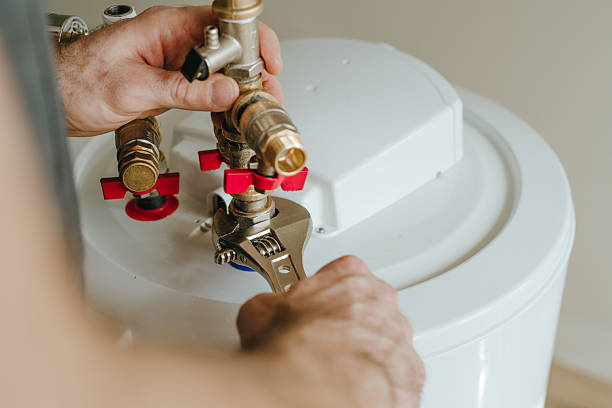
- Hot water systems
- Rainwater harvesting systems
- Backflow prevention devices
2. Sanitary Plumbing
- Toilets, basins, showers, and baths
- Wastewater management and sewer connections
- Compliance with hygiene and sanitation standards
3. Stormwater and Drainage Systems
- Roof and surface water drainage
- Subsoil and yard drainage
- Soakaways, pits, and stormwater channels
4. Gas Fitting
- Gas appliance installations
- Maintenance and repair of gas piping
- Safety inspections and compliance checks
5. Emergency Plumbing Work
- Burst pipes
- Sewer backups
- Gas leaks
Engaging a licensed plumber in Craigieburn ensures that all regulated work is performed safely, efficiently, and legally.
Compliance and Permits
1. Plumbing Permits
Certain plumbing work requires permits, including:
- New building construction
- Major renovations
- Alterations to existing water, gas, or drainage systems
Licensed plumbers handle permit applications and ensure all inspections are scheduled according to VBA requirements.
2. Inspections and Compliance Certificates
After completing plumbing work, licensed plumbers provide compliance certificates verifying that the installation meets safety and regulatory standards. These documents are important for legal, insurance, and resale purposes.
3. Record-Keeping
Plumbers are required to maintain detailed records of all work, including materials used, inspections, and certificates. Homeowners and businesses should keep copies of these records to ensure legal and insurance protection.
Safety Regulations
Victorian regulations impose stringent safety requirements to protect residents, workers, and the environment.
1. Backflow Prevention
Backflow devices prevent contamination of potable water by ensuring water flows in the correct direction. Licensed plumbers install and test these devices according to regulations.
2. Gas Safety
Gas installations must follow strict safety codes to prevent leaks, explosions, and carbon monoxide poisoning. Only licensed gasfitters can legally perform gas work.
3. Hot Water Safety
Hot water systems must include temperature and pressure relief valves to prevent scalding and system failures. Regular servicing by a licensed plumber ensures these safety devices function properly.
4. Materials and Workmanship
All plumbing materials must comply with Australian standards. Licensed plumbers follow approved installation methods to prevent leaks, corrosion, and system failures.
Penalties for Non-Compliance
Failure to comply with plumbing regulations can result in:
- Significant fines for homeowners or contractors
- Voided insurance policies
- Legal action for unsafe or substandard work
- Requirement to redo non-compliant work at additional cost
Engaging a licensed plumber in Craigieburn mitigates these risks, ensuring all work is compliant, safe, and of high quality.
Choosing a Licensed Plumber in Craigieburn
Selecting the right plumber is crucial for compliance and safety.
Key Considerations
- Licence Verification: Confirm the plumber’s credentials on the VBA database.
- Experience: Ensure the plumber has experience with the specific type of work required.
- References and Reviews: Check for positive client feedback and case studies.
- Insurance: Confirm that the plumber holds public liability and WorkCover insurance.
- Emergency Services: Availability for urgent plumbing issues.
Questions to Ask Your Plumber
- Are you licensed and insured?
- Can you provide compliance certificates?
- Do you have experience with similar projects?
- Will you handle permit applications and inspections?
- Can you provide a written estimate and warranty?
Common Plumbing Mistakes to Avoid
- Hiring unlicensed contractors
- Performing DIY plumbing work without permits
- Ignoring compliance certificates
- Using substandard materials
- Failing to schedule regular inspections
Avoiding these mistakes ensures safety, compliance, and reliable plumbing systems.
Maintaining Compliance
- Schedule annual inspections with a licensed plumber
- Keep records of all plumbing work and compliance certificates
- Stay informed about changes in Victorian plumbing regulations
- Use licensed professionals for new installations, repairs, and upgrades
A professional plumber in Craigieburn helps you navigate regulations and maintain compliance.
Some Practical Examples
Residential Plumbing Compliance
A homeowner in Craigieburn wanted to renovate their bathroom. By engaging a licensed plumber Craigieburn, they ensured all pipes, fixtures, and drainage complied with VBA regulations. Permits were obtained, and inspections were scheduled. Post-renovation, compliance certificates were issued, ensuring legal protection and safety.
Commercial Plumbing Compliance
A local café required new gas appliances. A licensed gasfitter ensured the installation complied with gas safety codes, including proper venting and leak testing. The café avoided potential fines and insured all installations were safe for staff and customers.
Future Developments in Plumbing Regulations
Victoria continues to update plumbing codes to reflect new technologies, environmental concerns, and safety standards. Some trends include:
- Increased use of water-efficient appliances
- Smart plumbing technologies for leak detection
- Enhanced backflow prevention requirements
- Stricter gas safety measures
Working with a licensed plumber Craigieburn ensures your plumbing systems meet current and future regulatory standards.
Conclusion
Understanding plumbing regulations in Victoria is essential for homeowners and business operators. Compliance ensures safety, protects public health, prevents property damage, and avoids legal penalties. Licensing, standards, permits, inspections, and professional maintenance all play crucial roles in maintaining safe and efficient plumbing systems.
Residents in Craigieburn benefit from working with licensed plumbing professionals who provide expert guidance, installation, and ongoing maintenance. By staying informed and adhering to regulations, you can ensure your plumbing system is safe, reliable, and compliant for years to come.