
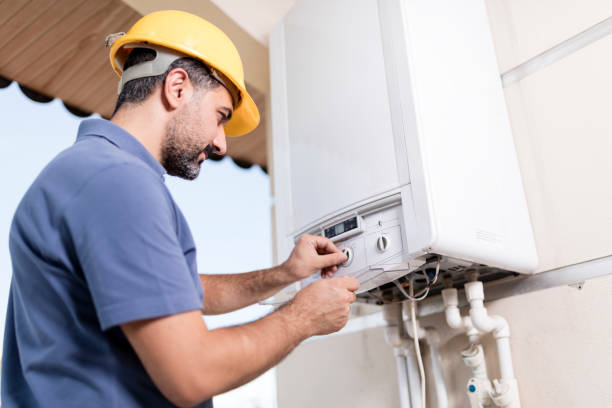
Hot water is one of those things most homeowners don’t think about until it stops working properly. But when bills start rising, showers turn lukewarm, or repairs become frequent, many people start asking the same question: Is a hot water system upgrade actually worth it?
Replacing a hot water system isn’t a small expense, so it’s worth taking the time to decide whether it will actually save you money in the long run. Every home is different, and the value of an upgrade often comes down to the condition of your current system and how much it costs to run.
This guide looks at the costs involved, the potential savings, how long it may take to recoup your investment, and the situations in which replacing your existing system makes the most sense.
What Is a Hot Water System Upgrade?
A hot water system upgrade refers to replacing your existing system with a newer, more efficient model. This could mean switching from:
- Electric storage → Heat pump system
- Gas storage → Continuous flow (instantaneous gas)
- Old solar system → Modern solar + gas/electric booster
- Inefficient older unit → High-efficiency 5-star rated system
The goal is simple: improve energy efficiency, reduce bills, and increase reliability.
Why Homeowners in Australia Are Upgrading in 2026
Across Australia, especially in cities like Melbourne and Sydney, hot water systems are a major contributor to household energy use, often accounting for 15%–25% of total energy bills.
The main reasons people consider a hot water system upgrade include:
- Rising electricity and gas prices
- Frequent breakdowns in older systems
- Desire for energy-efficient appliances
- Government rebates and incentives (varies by state)
- Environmental concerns and lower carbon footprint
Simply put, older systems are becoming more expensive to run than ever before.
Cost of a Hot Water System Upgrade in Australia
Before looking at ROI, it’s important to understand upfront costs.
Typical installation costs in 2026:
- Electric storage system: $900 – $2,000
- Gas continuous flow system: $1,200 – $2,500
- Heat pump system: $2,500 – $5,500
- Solar hot water system: $4,000 – $8,000+
While the upfront investment varies, the real savings come from reduced running costs over time.
Running Cost Comparison (Before vs After Upgrade)
To understand ROI, let’s compare old vs upgraded systems.
Older Electric Storage System
- Annual running cost: $800 – $1,200
- High electricity usage
- Heat loss during storage
Modern Heat Pump System
- Annual running cost: $300 – $600
- Uses ambient air for heating efficiency
- Up to 70% less energy consumption
Gas Storage vs Continuous Flow
- Old system: $600 – $900/year
- New system: $300 – $500/year
Solar Hot Water System
- Annual running cost: $150 – $400
- Heavily reduced grid reliance
This means a hot water system upgrade can save anywhere from $300 to $800+ per year, depending on your current setup.
ROI Analysis: Is It Worth the Investment?
Let’s break down a realistic ROI scenario.
Example: Upgrading to a Heat Pump System
- Upgrade cost: $4,000
- Annual savings: $600
- Payback period: ~6-7 years
After the payback period, the system continues saving you money for another 5–10+ years.
Example: Upgrading from Old Gas to Continuous Flow
- Upgrade cost: $2,000
- Annual savings: $300
- Payback period: ~6-7 years
Key Insight
Most hot water system upgrade investments pay for themselves within 5 to 8 years, while systems typically last 10 to 15 years.
That means you get several years of pure savings after ROI is achieved.
Hidden Financial Benefits (Often Overlooked)
ROI is not just about energy bills. A hot water system upgrade also provides indirect financial benefits:
1. Reduced Repair Costs
Older systems often need frequent repairs:
- Thermostat replacements
- Tank leaks
- Heating element failures
These can cost $150-$600 per repair, which adds up quickly.
2. Increased Property Value
Energy-efficient homes are more attractive to buyers.
A modern hot water system can:
- Improve home energy rating
- Increase buyer confidence
- Add perceived value during resale
3. Government Rebates & Incentives
Depending on your state (like Victoria), rebates for heat pumps or solar systems can reduce upfront costs by $500–$2,500.
This dramatically improves ROI.
4. Energy Price Protection
Electricity and gas prices in Australia have been trending upward. Efficient systems protect you from future price hikes by reducing consumption.
Environmental ROI (Not Just Financial)
A hot water system upgrade also has environmental benefits:
- Lower carbon emissions
- Reduced reliance on fossil fuels
- Better household sustainability rating
- Supports Australia’s net-zero targets
For many homeowners, this “green ROI” is just as important as financial savings.
When a Hot Water System Upgrade Is Worth It
Upgrading is usually worth it if:
- Your system is over 8–10 years old
- Repair costs are becoming frequent
- Energy bills are steadily increasing
- You want better efficiency and reliability
- You plan to stay in your home long-term
In these cases, upgrading is almost always more cost-effective than continuing repairs.
When You Might NOT Need an Upgrade Yet
In some cases, upgrading may not be urgent:
- Your system is under 5 years old
- It has had minimal repair history
- Energy bills are stable
- The system is still under warranty
In these situations, simple maintenance may be enough for now.
Heat Pump Systems: The Best ROI Choice in 2026
Across Australia, heat pump systems are becoming the most popular upgrade option.
Why?
- Extremely low running costs
- High energy efficiency (up to 70% savings)
- Eligible for rebates in many regions
- Works well in Australian climate conditions
Although upfront costs are higher, the long-term ROI is often the strongest.
Final Verdict: Is a Hot Water System Upgrade Worth It?
Yes, in most cases, a hot water system upgrade is absolutely worth it, especially if your current system is older or inefficient.
Here’s the simple breakdown:
- Short term: Higher upfront cost
- Medium term: Break-even in 5–8 years
- Long-term: Significant savings + fewer repairs
When you combine lower energy bills, reduced maintenance, and potential rebates, the ROI becomes very attractive for Australian households.
Final Thoughts
There’s no single answer to whether a hot water system should be upgraded. For some homes, a repair is all that’s needed. For others, an older system that keeps breaking down or costs more to run may no longer be the most practical choice.
If you’re unsure whether repairing or replacing your existing unit is the better option, the team at Perspective Plumbing can help. We can assess your current system, explain your options, and recommend a solution that suits your home and budget. Call 0411 295 646 today to speak with an experienced plumber or arrange an inspection.