Skip to content
A drain that’s genuinely misbehaving is hard to ignore. The water starts to slow, then lingers until it forms a small pool that never quite drains away. A stale or sour smell settles around the area, and in some cases, the blockage seems to clear only to return a short time later. When all of this is happening at once, the drain is no longer dealing with a minor obstruction, and the pressure on your plumbing system is already building.
Sorting it out early can prevent bigger problems like overflow, hidden pipe damage, or odours travelling through the house. You can try a few basic home methods first, such as hot water, dish soap, or a plunger. If the water still refuses to move or the drain keeps blocking again, it is usually time for a professional to take a closer look.
This article walks through practical steps, early troubleshooting, and the point where professional help becomes the safest choice.
What Causes Bad Drain Blockages?
People often assume blockages appear out of nowhere, yet most build up gradually. In the kitchen, grease and tiny food scraps stick to the pipe walls and gradually build up. Bathroom drains pick up hair and soap residue, which form a layer of scum, and most people do not notice it until the water starts to slow down.
Older pipes make things worse because minerals can settle inside them, reducing the space for water to flow. Outdoor drains can catch leaves or small debris after storms, adding another layer of obstruction. Sometimes the issue comes from the pipe itself: older PVC weakens with repeated heating, and ageing metal pipes can tighten internally as they corrode.
If you have ever wondered what causes these blocked drains, the short answer is usually a combination of some of these.
Start with the Safest and Easiest DIY Methods
There is a certain comfort in beginning with the mild options first. It keeps things manageable and avoids surprising your plumbing with aggressive tools too early.
Hot Water Flush
This works best for grease-based clogs. Very hot water softens and melts fats that have cooled inside the pipes. Pour it slowly, wait a moment, then continue in stages. People sometimes go straight for boiling water, which may help in metal pipes, though PVC does not appreciate repeated heat shocks. Either way, the aim is gentle pressure, not force.
Hot Water + Dish Soap
Kitchen sinks tend to benefit from this because dish soap helps cut through oily buildup. Let the soap sit in the drain for a minute, then run hot water. It is not a dramatic fix, but sometimes small changes shift the blockage enough for the drain to clear.
Baking Soda and Vinegar
The natural fizz method often comes up when searching for “How to Unblock a Drain Home Remedy”. It is simple: half a cup of baking soda, then vinegar, and let the fizzing do whatever light cleaning it can. After fifteen to twenty minutes, rinse with hot water. It helps with soap scum or mild residues, but once a blockage becomes solid, this step tends to fall short.
Manual Methods for More Stubborn Blockages
When the above does not move anything, it is time for tools.
Plungers
A flat-cup plunger works for sinks and tubs, while a flange plunger suits toilets. The trick is maintaining a seal and plunging with a steady rhythm rather than brute force. Occasionally, it works on the first attempt, but more often you will need a few steady rounds to get things moving again.
Drain Snake or simple DIY Hanger
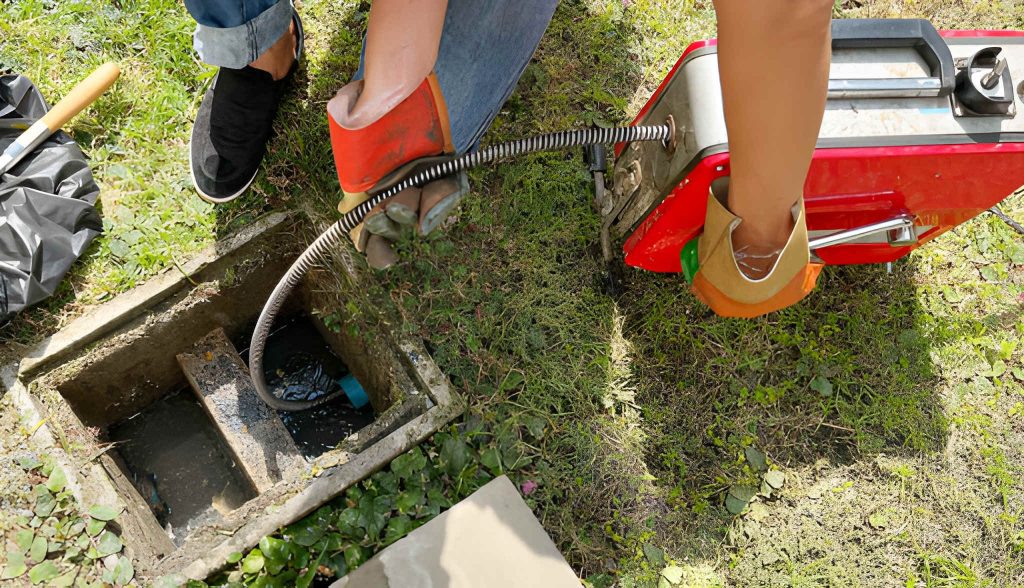
Hair and other surface-level clogs often sit close to the drain opening. A simple coat hanger works for these because you can straighten it, bend a small hook at the end, and gently lift out whatever is sitting there. When the blockage is deeper or feels compact, a proper drain snake can reach further and break it apart. Some people hesitate to use one, worrying it might damage the pipe, but with steady, careful movements, it does the job well.
Wet Dry Vacuum
A shop vacuum can either suck or push through a clog, but sealing the hose to the drain requires some improvisation. It is surprisingly strong and can shift deeper obstructions that other tools miss.
When DIY Is Not Enough
There comes a point where looking up “How to Unblock a Blocked Drain” stops being helpful, and the process becomes pure trial and error. Chemical drain cleaners might seem like the next step, but they are best kept as a last resort. The fumes are strong, and some formulas can weaken PVC over time, which is why many homeowners prefer to avoid them.
For tougher blockages, especially those deeper in the line, hydro jetting is a professional option. It uses high-pressure water to cut through heavy buildup or tree roots in outdoor drains and clears the pipe far more thoroughly than household tools can. It clears the pipe thoroughly, though it needs trained handling.
If multiple drains in the home slow down at the same time, or if the same drain keeps backing up even after clearing attempts, it is time to call a licensed plumber. Persistent odours or gurgling sounds also hint at deeper issues.
When to Call a Plumber and the Signs to Look For
A little routine care reduces the need to look up how to fix blocked drains later. Hot water once a week can help keep kitchen sinks free of grease. Drain strainers catch hair, scraps, and loose debris before they slip in. Grease, coffee grounds, and fibrous vegetables are best kept far from the drain. Older plumbing, especially PVC, benefits from gentler practices, such as avoiding constant boiling-water flushes.
When a drain blocks repeatedly, smells persist, or several fixtures slow down at once, the issue is usually deeper than a simple clog. Older pipes, signs of damage, or any trouble with outdoor stormwater or sewer lines are also clear signals that a licensed plumber should take over.
Quick Decision Guide
Think of it as a small checklist:
- Slow drain → hot water or baking soda with vinegar
- Still slow → use a plunger
- Still blocked → try a snake or DIY hanger
- Deep blockage suspected → use a wet-dry vacuum
- No improvement or problem keeps returning → call a professional
This gives readers a clear starting point and a straightforward way to move through each step based on how serious the blockage feels.
When to Seek Professional Help
If you have cleared the drain once or twice and it keeps blocking again, the cause is usually deeper in the line. When more than one fixture slows down or lingering smells refuse to shift, it’s a sign that DIY methods have reached their limit. Any hint of leaks or pressure issues, particularly in older plumbing, should be checked by a professional. Stormwater and sewer drains also need careful handling, so calling a specialist early prevents the issue from spreading.
Conclusion and Final Expert Tips
It helps to begin with the simplest steps and work your way up. Take care of your pipes and stay mindful of basic safety, whether you are using tools or hot water. Simple routine habits can prevent drains from building into a heavy blockage. Acting early makes the job far simpler than waiting until the blockage has taken hold.
At Perspective Plumbing, if your drain won’t clear or you’d rather skip the trial-and-error, we can take over with quick, targeted solutions. From stubborn sink clogs to outdoor drainage faults, our team handles the jobs that standard DIY methods cannot. Whether it is urgent or preventative, we are ready to help.
Call 0411 295 646 to book expert support and keep your plumbing running smoothly.
FAQs
Can baking soda and vinegar really unblock a heavily blocked drain?
They can help with light debris, but they are not strong enough to clear a heavy or compact blockage.
Is it safe to pour boiling water down a PVC drain pipe?
Occasionally, yes, though frequent use can weaken PVC over time, so it is better to use very hot water rather than a full boil.
What is better a plunger or a drain snake?
A plunger is usually the first tool to try, while a drain snake reaches deeper and breaks through more stubborn blockages.
How often should I clean my drains to prevent blockages?
A quick hot water flush once a week usually keeps everyday buildup from settling.
When should I call a plumber rather than DIY?
If the drain keeps blocking, multiple fixtures slow down at the same time, or you spot any signs of pipe damage, it is safer to bring in a professional.