
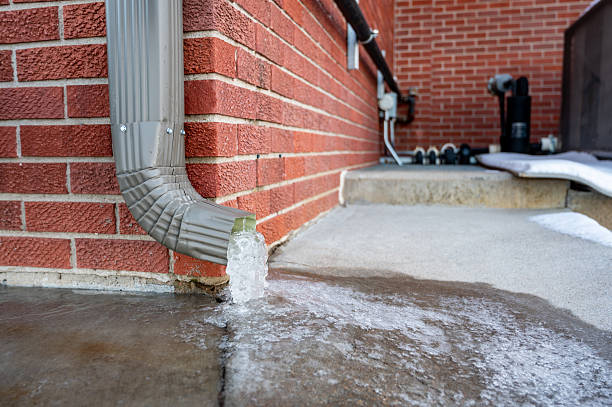
Winter in Australia might not always be extreme, but cold snaps in cities like Melbourne can still cause plumbing problems, especially frozen pipes. When water freezes inside a pipe, it expands, creating pressure that can cause the pipe to crack or burst. If left unchecked, what starts as a frozen pipe can quickly turn into a much bigger plumbing problem.
Knowing how to prevent frozen pipes and what to do if they freeze can help you avoid costly repairs and unnecessary stress. If a pipe bursts or the problem becomes more serious, calling emergency plumbers in Melbourne can help minimise water damage and get your plumbing back in working order.
In this guide, we’ll break down why pipes freeze, how to prevent it, and the correct emergency response steps if it happens in your home.
Why Do Pipes Freeze?
Water freezes when temperatures drop to 0°C or below. When this happens inside your plumbing system, the water expands by about 9%, putting enormous pressure on the pipe walls.
Pipes most at risk include:
- Outdoor taps and garden lines
- Pipes in uninsulated areas (roof spaces, garages and basements)
- Exposed plumbing along exterior walls
- Older metal pipes with little insulation
While Melbourne doesn’t experience freezing temperatures as often as colder regions, overnight cold snaps can still cause pipes to freeze, particularly in homes with poor insulation.
What Happens When Pipes Freeze?
A frozen pipe doesn’t always burst straight away. In most cases, this is what happens:
- Water inside the pipe begins to freeze.
- As the ice expands, it blocks the flow of water.
- Pressure builds up behind the blockage.
- If the pressure becomes too great, the pipe can crack or burst.
Signs Your Pipes Are Frozen
Early detection can prevent major damage. Look out for:
- No water or very weak flow from taps
- Frost on visible pipes
- Strange smells coming from drains
- Unusual banging or gurgling sounds
- Bulging or cracked pipe sections
- Toilets not refilling properly
If multiple taps are affected at once, freezing is likely the cause.
How to Prevent Frozen Pipes
Taking a few simple precautions before winter arrives can go a long way in protecting your plumbing. Here are some practical steps to help reduce the risk of frozen pipes.
1. Insulate Exposed Pipes
Pipe insulation is one of the most effective ways to prevent freezing.
Focus on:
- Outdoor pipes
- Garage plumbing
- Under-house or roof space pipes
- Pipes along exterior walls
Foam insulation sleeves are inexpensive and easy to install.
2. Keep a Drip Running During Cold Nights
Allowing a small trickle of water to run through the taps keeps water moving, reducing the chance of freezing.
Even slow-moving water is less likely to freeze than still water.
3. Maintain Indoor Heating
Keeping your home warm helps protect internal plumbing.
Even if you’re away, set heating to a low but stable temperature to prevent sudden temperature drops.
4. Seal Drafts and Gaps
Cold air entering your home can affect nearby pipes.
Check for:
- Gaps around windows and doors
- Cracks in walls near plumbing
- Open vents near pipes
Sealing these reduces cold exposure.
5. Disconnect Outdoor Hoses
Outdoor hoses are among the most common points where water freezes.
Before winter:
- Disconnect hoses
- Drain remaining water
- Store them indoors
- Shut off outdoor taps if possible
6. Install Pipe Heating Tape (for High-Risk Areas)
Heating tape provides gentle warmth to vulnerable pipes and is especially useful in exposed areas.
What NOT to Do If Pipes Freeze
If you suspect frozen pipes, avoid these common mistakes:
- Do NOT use open flames or blowtorches
- Do NOT pour boiling water directly onto pipes
- Do NOT ignore the problem and wait for it to fix itself
- Do NOT force taps open
Incorrect handling can cause pipe rupture or fire hazards.
How to Safely Thaw Frozen Pipes
If you catch the issue early, you may be able to thaw pipes safely.
Step 1: Turn On the Tap
Open the affected tap slightly. This allows water to flow once the ice melts and helps relieve pressure.
Step 2: Apply Gentle Heat
Use safe heat sources such as:
- Hair dryer
- Warm towels
- Heating pads
Start from the tap end and work backwards toward the frozen section.
Step 3: Keep the Area Warm
Increase room temperature to help with gradual thawing.
Step 4: Check for Leaks
Once water starts flowing again, inspect pipes carefully for cracks or leaks.
Even small leaks can worsen quickly.
When Frozen Pipes Become an Emergency
Some situations require immediate professional attention.
Call emergency plumbers in Melbourne if:
- Pipes have burst or are leaking
- You cannot locate the frozen section
- Multiple pipes are affected
- Water damage is already occurring
- No water is returning after thawing
- Pipes are inaccessible inside walls or floors
Emergency plumbers can quickly isolate the issue, prevent further damage, and safely repair broken sections.
What Emergency Plumbers Do
When an emergency plumber arrives, the first priority is to identify the problem and prevent further damage. Depending on the situation, they may:
1. Locate Frozen Sections
They inspect the plumbing system to identify where pipes have frozen or become blocked.
2. Thaw Pipes Safely
Specialised equipment is used to thaw frozen pipes without causing additional damage.
3. Repair Burst Pipes
Any cracked or burst sections of pipe are repaired or replaced to restore normal water flow.
4. Check for Hidden Damage
Nearby walls, floors and insulation are inspected for leaks or water damage caused by the frozen pipe.
5. Help Prevent Future Freezing
They may also recommend practical improvements, such as better pipe insulation or other measures to reduce the risk of freezing in the future.
Experienced emergency plumbers in Melbourne don’t just fix the immediate problem. They can also identify any underlying issues to help reduce the risk of future plumbing emergencies.
Risks of Ignoring Frozen Pipes
Delaying action can lead to:
- Burst pipes and flooding
- Structural water damage
- Mould growth
- Increased repair costs
- Loss of water supply
What starts as a simple freeze can quickly escalate into a major plumbing emergency.
How to Prepare Your Home for Winter
A few proactive steps can reduce risk significantly:
- Schedule a plumbing inspection before winter
- Insulate all exposed pipes
- Service hot water systems
- Check outdoor taps and hoses
- Monitor early warning signs
Preparation is always cheaper than emergency repair.
Final Thoughts
Frozen pipes can quickly turn into a costly plumbing problem if they aren’t dealt with early. Taking a few simple precautions before winter arrives can help protect your pipes and reduce the risk of unexpected damage.
If you’re dealing with burst pipes or frozen, the team at Perspective Plumbing is here to help. Our experienced emergency plumbers in Melbourne provide fast, reliable repairs to minimise damage and restore your plumbing as quickly as possible. Call 0411 295 646 today to book an urgent service or speak with an experienced plumber.