
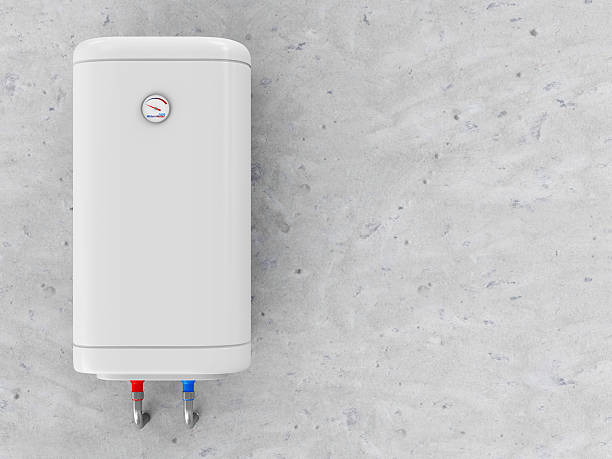
Choosing the right hot water system can make a big difference to your home’s comfort and energy costs. If the system is too small, you may run out of hot water. If it’s too large, you could end up paying more than necessary.
If you’ve been wondering what size hot water system do I need, this guide will help you understand the key factors to consider and find the right fit for your household.
Why Hot Water System Sizing Is Important
The Risk of Choosing a System That Is Too Small
An undersized system can create several problems:
- Running out of hot water during busy periods
- Increased energy consumption as the unit works harder
- Daily inconvenience for family members
- Longer recovery times between uses
Problems With Oversizing a Hot Water System
Bigger isn’t always better.
An oversized system may result in:
- Higher upfront purchase costs
- Increased energy bills
- Wasted heating capacity
- Reduced efficiency over time
Finding the right balance helps maximise comfort while keeping operating costs under control.
Key Factors That Determine the Right Hot Water System Size
Number of People in Your Household
The more people living in the home, the more hot water you’ll require each day.
Number of Bathrooms and Showers
Households with multiple bathrooms experience higher peak demand, during mornings and evenings.
Peak Hot Water Usage Times
Consider when family members shower, wash dishes, or run appliances. Simultaneous usage increases demand significantly.
Shower Length and Water Consumption
Long showers require more hot water than quick five-minute showers.
Laundry and Dishwasher Usage
Washing machines and dishwashers can contribute to daily hot water consumption.
Future Family Growth Consideration
If your family is expected to grow, choosing a larger system now may prevent the need for an upgrade later.
Hot Water System Size Guide by Family Size
When homeowners ask how big hot water system do I need, family size is the best starting point.
| Family Size | Electric Storage | Gas Storage | Heat Pump | Continuous Flow |
| 1–2 People | 80–160L | 90–135L | 150–180L | 16–20L/min |
| 3–4 People | 160–250L | 135–170L | 250–315L | 20–26L/min |
| 5+ People | 250–400L+ | 170–250L+ | 315–400L+ | 26L+/min |
1–2 Person Household
Suitable options include:
- 80–160L electric storage systems
- 90–135L gas storage systems
- Small continuous flow units
Family of 3
Most households will be comfortable with:
- 160–250L storage systems
- 20–26L/min continuous flow systems
Family of 4
A common question is what size hot water system for family of 4?
The following are suitable:
- 250L electric storage system
- 135-170L gas storage system
- 250-315L heat pump
- 20-26L/min continuous flow system
Actual requirements may vary depending on shower habits and appliance usage.
Family of 5
Larger households benefit from:
- 250-400L storage systems
- Higher-capacity heat pumps
- Continuous flow systems with greater flow rates
Family of 6 or More
Homes with six or more occupants require:
- 315-400L+ heat pump systems
- 400L storage tanks
- High-capacity continuous flow systems
Understanding Different Hot Water System Types
Electric Storage Hot Water Systems
Among the most common electric hot water system sizes, these units store heated water in a tank ready for use.
Benefits include:
- Lower installation costs
- Simple operation
- Widely available models
Gas Storage Systems
Gas storage systems offer faster recovery times and can be cost-effective where natural gas is available.
Continuous Flow (Instantaneous) Systems
These systems heat water only when needed.
Benefits include:
- Endless hot water supply
- No storage tank required
- Improved energy efficiency
Solar Hot Water Systems
Solar systems use renewable energy from the sun and can reduce energy costs over time.
Heat Pump Hot Water Systems
Heat pumps extract heat from the surrounding air, making them highly efficient and environmentally friendly.
Which System Is Best for Australian Families?
There is no universal answer. The best option depends on household size, available energy sources, budget, and long-term running costs.
Storage Tank Capacity vs Continuous Flow Rate
What Tank Capacity Means
Tank capacity refers to how much hot water can be stored at one time, measured in litres.
What Litres Per Minute (L/min) Means
For continuous flow systems, capacity is measured by the amount of hot water delivered per minute.
How to Calculate Peak Demand
Consider:
- Number of showers operating
- Appliance usage during peak periods
- Total household occupancy
When Continuous Flow Is a Better Option
Continuous flow systems are ideal when:
- Space is limited
- Households have varying hot water demand
- Running out of stored hot water is a concern
How to Estimate Your Family’s Daily Hot Water Usage
Average Water Usage Per Person
Most Australians use approximately 40-60 litres of hot water per day.
Shower Consumption Calculator
A standard shower may use:
- 7-9 litres per minute with efficient fixtures
- 12-18 litres per minute with older fixtures
Hot Water Usage From Appliances
Appliance usage includes:
- Dishwasher: 10–20 litres
- Washing machine: 20–50 litres
- Kitchen sink use throughout the day
Example Calculation for a Family of Four
For a family of four:
- 50 litres per person = 200 litres daily
- Dishwasher = 15 litres
- Laundry = 30 litres
Estimated daily requirement: approximately 245 litres.
Signs Your Current Hot Water System Is the Wrong Size
Running Out of Hot Water Frequently
This is the clearest sign that the system is undersized.
Long Recovery Times
Waiting hours for water to reheat may indicate insufficient capacity.
High Energy Bills
Oversized or ageing systems can contribute to excessive energy usage.
Inconsistent Water Temperatures
Fluctuating temperatures may suggest the system is struggling to meet demand.
Common Hot Water System Sizing Mistakes to Avoid
Choosing Based Only on Household Size
Usage habits are only as important as occupant numbers.
Ignoring Multiple Bathroom Usage
Several showers operating can dramatically increase demand.
Forgetting Future Family Needs
Think ahead if your household grow.
Overlooking Energy Efficiency
A properly sized energy-efficient system can lower running costs over the long term.
How Australian Climate Affects Hot Water System Sizing
Cold Climate Regions
Cooler regions require greater heating capacity due to lower incoming water temperatures.
Warm Climate Regions
Warmer climates place less demand on hot water systems.
Solar and Heat Pump Considerations
Solar and heat pump systems can perform differently depending on local weather conditions, making climate an important factor when choosing capacity.
Expert Tips for Choosing the Right Hot Water System
Compare Running Costs
Look beyond installation costs and evaluate long-term energy expenses.
Which is better, a gas or electric hot water system?
Deciding Between Gas And Electric Hot Water Systems comes down to your household size, energy usage, budget, and access to natural gas.
Look at Warranty and Lifespan
A quality system can provide reliable performance for many years.
Consult a Licensed Plumber
Professional advice can help ensure accurate sizing and avoid costly mistakes.
Conclusion
Choosing the right hot water system comes down to more than household size. If you’re wondering what size hot water system do I need, your daily usage, appliances, and future needs play a role in finding the right fit.
Whether you’re comparing hot water system sizes, looking at electric hot water system sizes, or deciding what size hot water system for family of 4, choosing the right capacity can help improve efficiency and reduce running costs.
Need help choosing the right system? Contact Perspective Plumbing on 0411 295 646 for expert advice tailored to your household’s hot water needs.
FAQs
What size hot water system do I need for a family of 4?
Most Australian families of four are well suited to a 250L electric storage system, a 135–170L gas storage system, or a 250–315L heat pump system.
Is a 250L hot water system enough for a family of 5?
It can be, depending on usage habits. Many families of five benefit from larger systems ranging from 315L to 400L.
What size heat pump hot water system do I need?
For most households, recommended sizes range from 150L for small families to 400L for larger households.
Are continuous flow systems better than storage tanks?
Continuous flow systems provide hot water on demand and can be more energy efficient, but the best choice depends on your household’s needs.
How many litres of hot water does a family use per day?
Most families use between 40 and 60 litres of hot water per person each day.
Should I upgrade to a larger hot water system?
If you’re frequently running out of hot water, experiencing long recovery times, or your household has grown, upgrading may be worthwhile.