
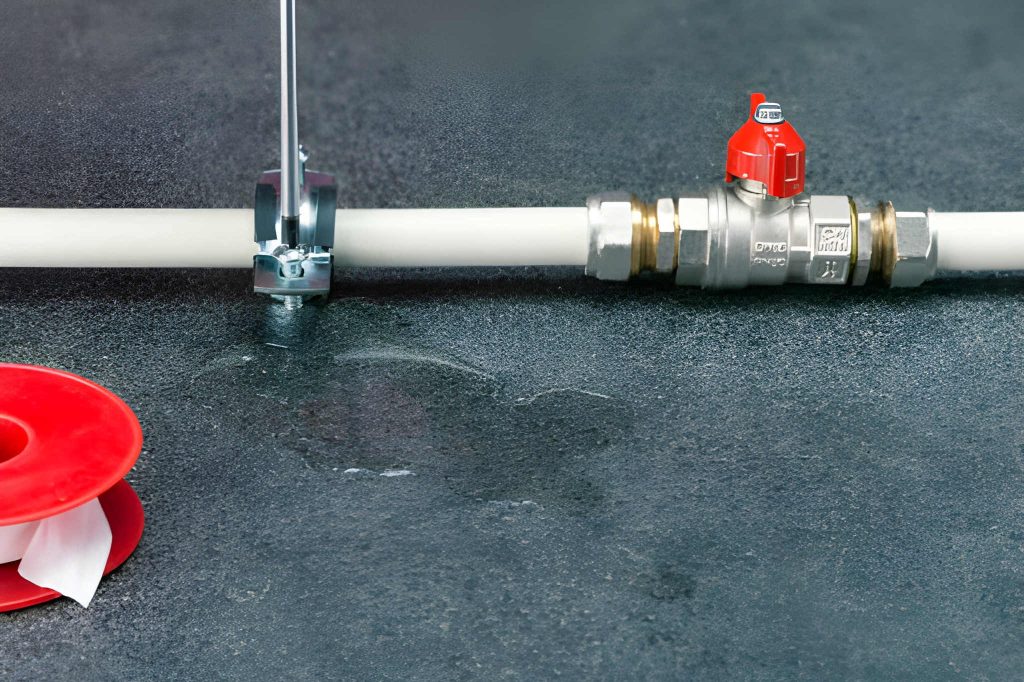
Most people don’t think about water leak detection until something goes wrong. A dripping tap or running toilet is easy to fix. But the leaks you should be concerned about are the ones that are hidden behind walls or under slabs. They can cause mould, structural damage, and expensive repairs. So, the question arises: what is the best way to detect a leak before it becomes disruptive?
Early detection matters more than most of us realise. Leaks waste water, weaken structures, and in some cases create real safety risks, especially when gas or electrical systems are involved.
This guide looks closer at what leak detection really means, the best modern and DIY methods available, and when to seek help from specialist water leak detection professionals.
What Is Leak Detection?
What Does “Detecting a Leak” Really Mean?
Leak detection is the process of finding unintended escapes of water or gas from a system designed to contain them. This may cover a wide range of situations. Water leaks inside walls; gas leaks under concrete slab; underground pipe failures that never surface on time.
Common signs vary. You might hear a faint hissing or tapping sound. You might notice moisture where it doesn’t belong. Sometimes the only clue is an unexpectedly high bill, which feels abstract until you realise it’s pointing to a very real problem.
Why Leaks Can Be Hard to Find
Visible leaks are almost a relief. At least you know where to look. Hidden leaks are different. Pipes run behind walls, under floors, and deep underground. By the time damage becomes obvious, the leak may have been active for weeks or months.
Ignoring leaks isn’t just a financial gamble. Repairs tend to grow more complex over time. What could have been a simple fix can turn into structural repairs, mould remediation, or full pipe replacement.
The Best Ways to Detect a Leak
Acoustic Leak Detection (Sound-Based)
Acoustic leak detection relies on sound sensors that detect the noise generated by water escaping under pressure. These sounds travel along pipes and through surrounding materials, even when the leak itself is hidden.
This method is especially effective for pipes behind walls or underground. It’s precise, but not perfect. Background noise and certain pipe materials can make interpretation tricky, which is why experience matters.
Thermal / Infrared Leak Detection
Thermal cameras don’t directly see water. They see temperature differences. A leaking pipe often cools or warms surrounding areas in subtle ways, creating patterns that infrared cameras can detect.
This approach works well for larger areas or when leaks are suspected behind walls or under floors. It’s non-invasive, which is a major advantage. Still, it’s more interpretive than definitive on its own.
Using Your Water Meter to Find a Leak
This is a favourite DIY method, mostly because it’s simple. Turn off all water inside and outside the property. Check the water meter. Wait. If it moves, even slightly, there’s likely a leak somewhere.
It won’t tell you where the leak is, but it confirms that one exists. For many homeowners, that confirmation is the push they need to take the next step.
Pressure Testing & Hydrostatic Checks
Pressure testing involves isolating sections of plumbing and monitoring pressure levels. A drop indicates a leak. Hydrostatic testing fills systems with water under controlled pressure to reveal weaknesses.
These methods are common in plumbing diagnostics and pipeline systems. They’re reliable, but usually require professional equipment and training.
Tracer Gas & Helium Leak Detection
Tracer gas methods introduce a safe, detectable gas into the pipe system. The gas escapes through leaks and is picked up by sensitive detectors.
This is a high-precision option, often used when other methods fail. It’s particularly useful for difficult or deeply buried leaks where accuracy is critical.
Ground Penetrating Radar (GPR)
GPR uses radar pulses to scan underground structures. It’s one of the best answers to questions like how to find a water leak underground without digging blindly.
It’s non-destructive and covers wide areas, but interpretation again requires expertise. It’s not something most homeowners will attempt themselves.
Advanced & Professional Leak Detection Technologies
Smart Water Metering & Analytics
Smart meters track water usage in real time and flag unusual patterns. A slow, continuous flow at 3 AM is often the first sign of a hidden leak. Over time, these systems help prevent leaks rather than just find them. They’re not perfect, but they change the conversation from reaction to prevention.
Ultrasonic Leak Detection
Ultrasonic tools detect high-frequency sounds produced by leaks, even in gas systems. They’re effective across different materials and environments. This technology is used in both water leak detection and gas diagnostics, especially where safety is a concern.
Video Pipe Inspection and Drones
Cameras inserted into pipes provide direct visual confirmation of cracks, blockages, or corrosion. It’s surprisingly reassuring to see the problem rather than infer it. In larger or commercial settings, drones assist with inspections at scale, covering areas that are otherwise difficult or unsafe to access.
Leak Noise Correlators and Sensor Fusion
Correlators compare sound data from multiple sensors to pinpoint a leak’s exact location. When combined with other tools, this “sensor fusion” approach significantly improves accuracy. This is where specialist water leak detection services really stand out. It’s not one tool, but how tools are used together.
DIY Leak Detection Tips for Homeowners
Detecting Leaks Without Professional Tools
Sometimes the simplest checks are enough. Listen for running water when taps are off. Look for damp patches or mould. Watch how quickly toilet bowls refill. The food colouring toilet test is almost old-fashioned, but it works. Add colour to the tank, wait, and see if it appears in the bowl without flushing.
When to Call a Professional
It is beyond the scope of DIY if the leak is underground, behind walls, or affecting pressure. Burst pipe detection, in particular, is not something to guess at. Professionals do more than just find leaks. They locate them precisely, reducing unnecessary damage and repair costs.
Tools and Equipment for Leak Detection
Top Tools Every Homeowner Should Know
Moisture meters help confirm dampness. Gas sniffers add a layer of safety. Entry-level thermal cameras are becoming more accessible, though they still require interpretation.
Professional-Grade Leak Detection Tools
Acoustic sensors, advanced thermal imaging, tracer gas systems, and correlators form the backbone of professional leak detection services. They’re expensive, specialised, and effective when used correctly.
Cost & ROI of Leak Detection
DIY methods cost little, but they’re limited. Professional detection has upfront costs, but the return on investment is often significant. Early detection prevents water loss, reduces repair scope, and avoids secondary damage.
Conclusion
There isn’t a single answer to what is the best way to detect a leak. The best method depends on the situation, the type of system involved, and the extent of the leak.
DIY checks are a good starting point. Advanced tools provide clarity. Professional services bring precision. The key takeaway is to act early. Waiting rarely makes leaks easier or cheaper to fix.
Call the Experts at Persecptive Plumbing Today
Whether it’s a hidden leak, pressure problem, or urgent repair, early action makes all the difference. Call us at 0411 295 646 and schedule an inspection for your house.
FAQs
What is the fastest way to detect a leak?
The fastest method is usually to check your water meter after turning off all water. If the meter continues to move, it immediately confirms a leak, even if the exact location is still unknown.
Can I detect a gas leak myself?
You can sometimes detect gas leaks by smell or unusual hissing, but this is not always reliable. For safety reasons, suspected gas leaks should always be assessed using professional leak detection equipment.
How to know if I have an underground leak?
Common signs include unexplained high water bills, reduced water pressure, damp patches outdoors, or areas of unusually green grass. Confirming and locating underground leaks typically requires specialist water leak detection tools.